 Thursday, October 08, 2026
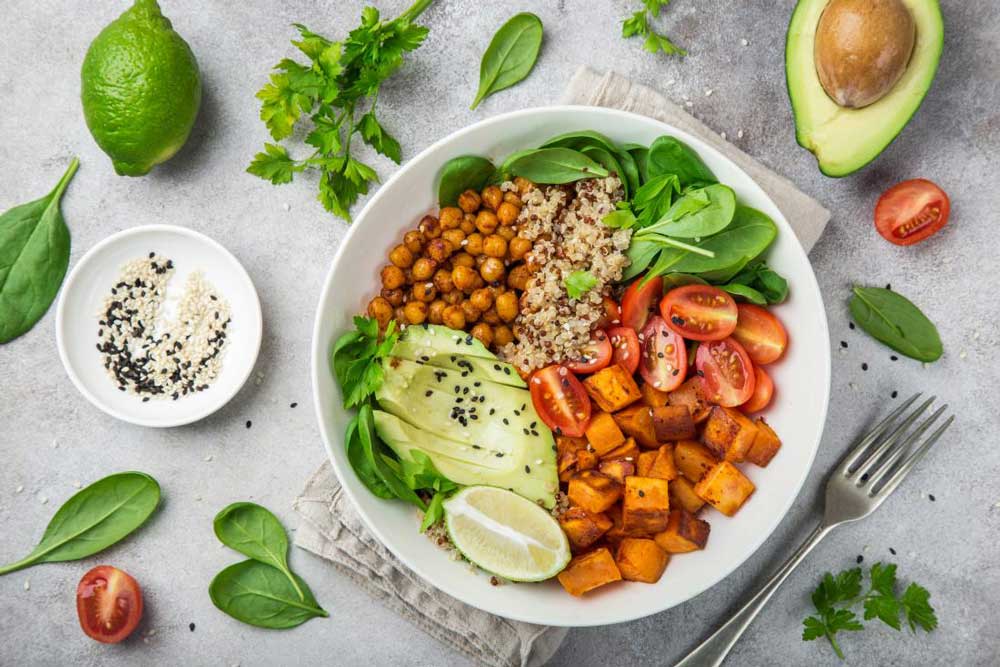
 A healthy lifestyle (healthy eating and an active lifestyle) can help manage some of the long-term complications of PCOS. Know about the right nutrition diet in PCOS





PCOS (Polycystic Ovary Syndrome) is a condition that affects women. It is caused by an imbalance of a woman’s sex hormones which may lead to:
Increased hair growth on the face and body Cysts in the ovaries and Trouble getting pregnant Menstrual cycle changes Skin problems such as acneIf you have PCOS, your body makes too much androgen. Androgen is often called the "male hormone," but small amounts are made in women’s bodies too. If your body makes too much androgen, it can lead to weight gain, especially around the belly area. The best eating plan if you have PCOS is one that helps you manage your weight and also lowers the long-term risks of diabetes and heart disease. This plan should be low in saturated fat and high in fiber.
Healthy fats - Too much saturated and trans-fat in the diet can lead to weight gain, high blood pressure and high cholesterol. Limit foods that contain saturated and trans fats. Instead of these bad fats, choose smaller amounts of healthy unsaturated fats, which are found in vegetable oils like canola and olive oil, avocado and nuts.
Proteins - Similar to fibre, protein also helps you feel full for longer, so you will eat less. This is a great way to help control your weight. Make sure that you have some protein at every meal and snack. Milk and low-fat yogurt are also good sources of protein.
Increase fiber intake - Eating more fiber can help maintain blood sugar levels and lower your cholesterol. Plus, fiber helps make you feel full, so you tend to eat less. This can help with weight control.
Fruit – especially berries, pears, oranges, figs, kiwi Vegetables – especially peas, spinach, squash and broccoli Whole grains – such as oats, brown rice, whole wheat, quinoa, barley and buckwheat Legumes – such as lentils, chickpeas, soybeans and kidney beans Nuts and seeds – such as almonds, flax, sunflower seedsActive lifestyle - Try to get at least 2 ½ hours of exercise each week. Start with 10 minutes of activity and work up to longer times as your body adjusts. Even if you don’t lose weight, exercise can help control your blood sugar and cholesterol levels and lower your risk for heart disease and diabetes.
Foods to avoid –
White rice, pasta, or bread Baked goods Regular soda Candy and chocolate and Salty snacks




.jpeg)










.jpg)
.jpg)
.jpg)
.jpg)
.jpg)
.jpg)


.jpg)