 Friday, October 09, 2026
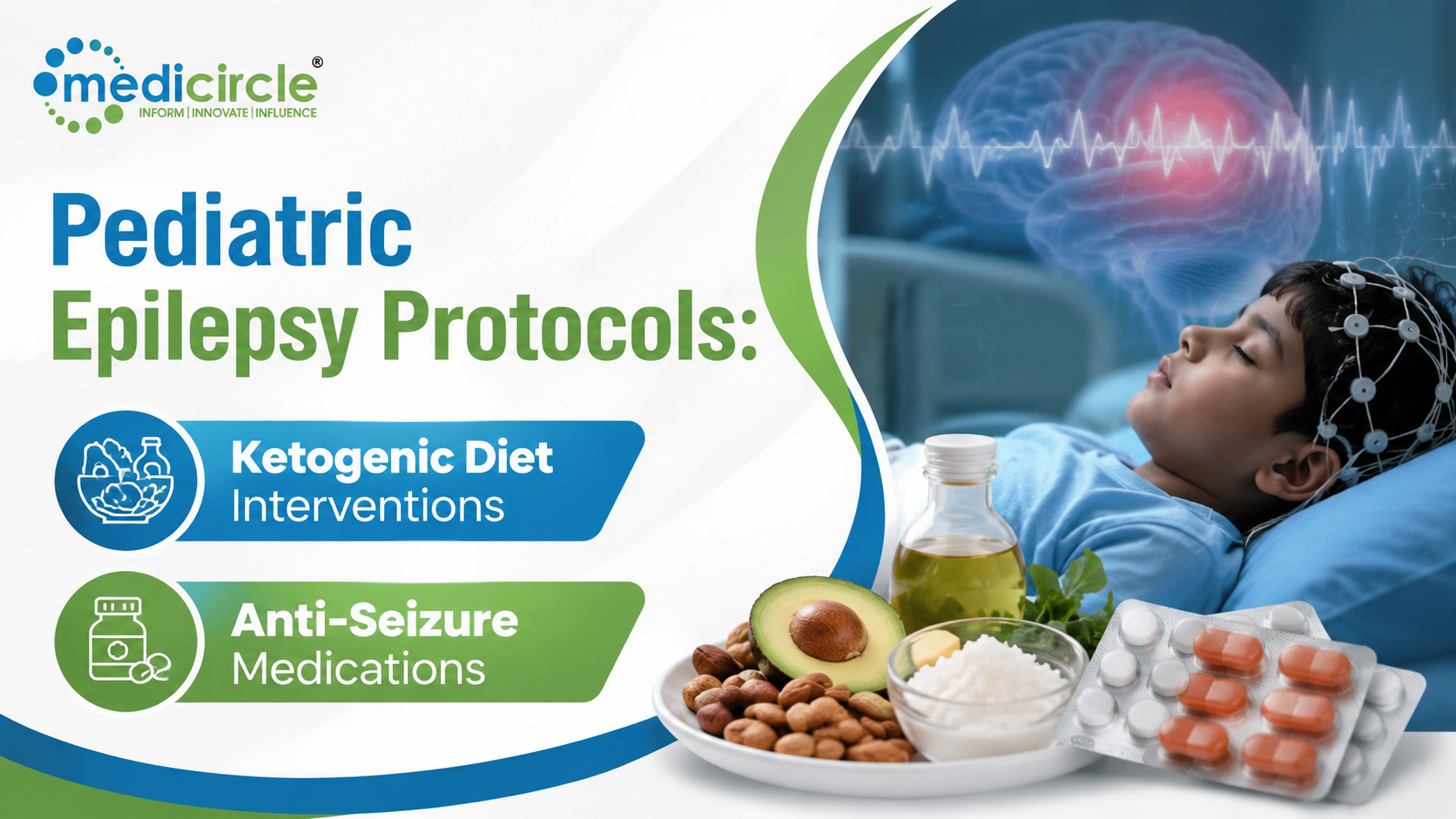
 Pediatric epilepsy requires early diagnosis, precision-matched anti-seizure medications, ketogenic dietary therapy, and continuous developmental monitoring. A multidisciplinary approach can improve seizure control while supporting cognitive and neurological development.




Pediatric epilepsy encompasses a heterogeneous spectrum of neurological disorders characterized by recurrent unprovoked seizures, abnormal electroencephalographic (EEG) paroxysms, and significant risks to cognitive and behavioral development. In infants and young children, frequent epileptiform discharges interfere with critical neurodevelopmental processes—such as synaptogenesis, axonal pruning, and myelination—frequently leading to Developmental and Epileptic Encephalopathies (DEEs).
Roughly 30% of pediatric epilepsy patients exhibit Drug-Resistant Epilepsy (DRE), failing to achieve sustained seizure freedom despite trials of two appropriately chosen and tolerated Anti-Seizure Medications (ASMs).
Modern pediatric neuro-therapeutics requires a dual focus: achieving rapid seizure control to protect cognitive trajectories while minimizing pharmacological neurotoxicity. This balance is achieved through a structured paradigm: precision-matched Anti-Seizure Medications (ASMs), metabolic Ketogenic Dietary Therapies (KDT), and continuous developmental and cognitive surveillance.
1. Pathophysiology of the Developing Epileptic Brain
The immature brain exhibits a heightened baseline susceptibility to epileptogenesis due to developmental imbalances between neuronal excitation and inhibition:
- The GABA Excitatory Shift: In early embryonic and neonatal development, the intracellular concentration of chloride in neurons is high due to elevated expression of the NKCC1 co-transporter and low expression of the KCC2 chloride extruder. Consequently, Gamma-Aminobutyric Acid (GABA) activation opens chloride channels and causes chloride efflux, resulting in membrane depolarization (excitation) rather than hyperpolarization (inhibition).
- NMDA and AMPA Receptor Overexpression: Developing cerebral networks feature dense, highly active N-methyl-D-aspartate (NMDA) and AMPA glutamate receptors, promoting rapid synaptic plasticity and learning, but also lowering seizure thresholds.
- Epileptic Encephalopathy Mechanism: Continuous or high-burden subclinical epileptiform activity (such as hypsarrhythmia in West Syndrome or continuous spikes and waves during slow sleep) disrupts the structural consolidation of neural networks, leading to developmental regression, executive dysfunction, and autism spectrum features.
2. Anti-Seizure Medications (ASMs): Precision Selection by Syndrome and Mechanism
ASM selection is guided by specific electro-clinical syndromes and underlying channelopathies, as choosing the incorrect agent can exacerbate specific pediatric seizure types.
- Focal Seizures and Structural Lesions:
- First-Line Agents: Levetiracetam (binds to synaptic vesicle protein SV2A to inhibit neurotransmitter release) and Oxcarbazepine / Carbamazepine (voltage-gated sodium channel blockers).
- Second-Line / Adjuncts: Lacosamide (enhances slow inactivation of sodium channels) and Topiramate (multi-mechanism: AMPA/kainate blockade, GABA enhancement, carbonic anhydrase inhibition).
- Generalized Seizures and Genetic Generalized Epilepsies (GGE):
- First-Line Agents: Valproate (broad spectrum: T-type calcium channel inhibition, GABA augmentation; use with caution in young children due to mitochondrial/POLG hepatotoxicity risk) and Levetiracetam.
- Second-Line / Adjuncts: Lamotrigine (requires slow titration to avoid Stevens-Johnson syndrome) and Clobazam (positive GABAA receptor allosteric modulator).
- Infantile Spasms (West Syndrome):
- First-Line Therapy (Non-Tuberous Sclerosis): High-dose Adrenocorticotropic Hormone (ACTH) or high-dose oral Prednisolone, aimed at resolving hypsarrhythmia on EEG within 2 weeks.
- First-Line Therapy (Tuberous Sclerosis Complex): Vigabatrin (irreversible GABA transaminase inhibitor), highly effective for TSC-driven spasms despite a risk of peripheral visual field constriction requiring retinal monitoring.
- Critical Contraindications in Channelopathies (Dravet Syndrome - SCN1A Mutation):
- Sodium channel blockers (Carbamazepine, Phenytoin, Lamotrigine) are strictly contraindicated in Dravet Syndrome because they worsen seizure frequency and increase status epilepticus risk by further blocking interneuron sodium channels.
- Preferred agents: Clobazam, Stiripentol, Fenfluramine (5-HT2 receptor agonist), and Cannabidiol (CBD).
3. Ketogenic Dietary Therapy (KDT): Metabolic Neuromodulation
Ketogenic Dietary Therapy is an established, non-pharmacological, high-fat, low-carbohydrate, adequate-protein medical nutrition therapy that forces cerebral metabolism to shift from glucose utilization to ketone body oxidation (beta-hydroxybutyrate and acetoacetate).
- Neurochemical and Metabolic Mechanisms:
- Enhancement of GABA Synthesis: Astrocytes convert acetoacetate to glutamate and subsequently to GABA via the glutamate decarboxylase pathway, increasing inhibitory neurotransmitter pools while reducing brain glutamate levels.
- K-ATP Channel Activation: Increased ATP production from mitochondrial ketone oxidation activates ATP-sensitive potassium (K-ATP) channels, hyperpolarizing neuronal membranes and dampening hyper-excitability.
- Direct Inhibition of Vesicular Glutamate Transporters (VGLUT): Acetoacetate directly competes with chloride ions for the allosteric binding site of VGLUT1 and VGLUT2, reducing the loading of glutamate into synaptic vesicles.
- Inhibition of the mTOR Pathway: Downregulates aberrant mechanistic target of rapamycin (mTOR) signaling, a central pathway in cortical malformations and genetic epilepsies.
- The Four Primary Dietary Protocols:
- Classic Ketogenic Diet (4:1 or 3:1 Ratio): 4 grams (or 3 grams) of fat for every 1 gram of combined protein and carbohydrates. Strict medical calculation by gram weight.
- Medium-Chain Triglyceride (MCT) Diet: Incorporates high-yield ketogenic MCT oil (octanoic and decanoic acids), allowing more dietary carbohydrates and protein while maintaining high ketosis.
- Modified Atkins Diet (MAD): Less restrictive, limits net carbohydrates to 10–20 grams per day for children with unrestricted fat and protein; ideal for adolescents and outpatients.
- Low Glycemic Index Treatment (LGIT): Restricts carbohydrate intake to 40–60 grams per day, exclusively choosing complex carbohydrates with a glycemic index below 50.
- Mandatory Diagnostic Screening Before Initiation:
- KDT is strictly contraindicated in inborn errors of metabolism that impair fatty acid oxidation: Carnitine Palmitoyl Transferase (CPT I/II) deficiency, Carnitine Translocase deficiency, Pyruvate Carboxylase deficiency, and Fatty Acid Oxidation Defects (MCAD, LCAD).
4. Structural Comparison: Therapeutic Approaches in Pediatric Epilepsy
- First-Line Precision ASMs (e.g., Levetiracetam, Oxcarbazepine):
- Primary Biological Mechanism: Direct ion channel blockade (Na+, Ca2+) or synaptic vesicle (SV2A) modulation.
- Onset of Action: Rapid (hours to days following titration).
- Efficacy Profile: Achieves complete seizure freedom in roughly 45–50% of newly diagnosed pediatric patients.
- Common Adverse Effects: Sedation, behavioral changes, irritability, ataxia, cutaneous drug rashes.
- Monitoring Burden: Routine clinical checks; selective therapeutic drug monitoring (TDM) as needed.
- High-Dose Hormonal Therapy (ACTH / Oral Prednisolone):
- Primary Biological Mechanism: Suppression of central corticotropin-releasing hormone (CRH) hyper-excitability; immune modulation.
- Onset of Action: Very rapid (typically resolves hypsarrhythmia within 7 to 14 days).
- Efficacy Profile: First-line gold standard for Infantile Spasms (West Syndrome).
- Common Adverse Effects: Hypertension, immunosuppression, cushingoid appearance, electrolyte shifts, irritability.
- Monitoring Burden: Intensive: weekly blood pressure checks, stool occult blood, and baseline echocardiograms.
- Classic 4:1 Ketogenic Diet:
- Primary Biological Mechanism: Shift to ketone energetics, GABA up-regulation, K-ATP hyperpolarization, mTOR inhibition.
- Onset of Action: Gradual (measurable within 2 to 4 weeks; full assessment over 3 months).
- Efficacy Profile: Achieves >50% seizure reduction in over 50% of drug-resistant patients; >90% reduction in up to 25%.
- Common Adverse Effects: Constipation, dyslipidemia, nephrolithiasis (kidney stones), gastroesophageal reflux, growth deceleration.
- Monitoring Burden: High: quarterly blood panels (lipids, free carnitine, beta-hydroxybutyrate, renal ultrasound, bone density).
- Vagus Nerve Stimulation (VNS Neuromodulation):
- Primary Biological Mechanism: Chronic electrical stimulation of the left vagus nerve, modulating thalamocortical networks via the nucleus tractus solitarius.
- Onset of Action: Progressive over 6 to 12 months.
- Efficacy Profile: Palliative; reduces seizure frequency by 50% in roughly 50% of non-resectable DRE cases.
- Common Adverse Effects: Hoarseness, cough, voice alteration during stimulation bursts, surgical site infection.
- Monitoring Burden: Regular outpatient visits for non-invasive device current titration and battery checks.
5. Developmental Outcomes and Cognitive Protection
Controlling seizures is inextricably linked to long-term cognitive and neurodevelopmental trajectories:
- Minimizing Polypharmacy Neurotoxicity: Multiple sedative ASMs (such as phenobarbital and high-dose benzodiazepines) can blunt processing speed, memory consolidation, and attention spans. Rational monotherapy and modern third-generation ASMs help preserve cognitive functioning.
- The "Alertness Gain" with Ketogenic Diet: Parents frequently report significant improvements in developmental milestones, social engagement, and alertness upon starting KDT, independent of the degree of seizure reduction. This is attributed to the removal of sedating drugs and the direct neuroprotective effects of beta-hydroxybutyrate.
- Early Resective Epilepsy Surgery: In focal cortical dysplasia, tuberous sclerosis, or hemimegalencephaly, persistent seizures cause severe developmental arrest. Early presurgical evaluation and surgical resection during the first 1 to 3 years of life can halt epileptic encephalopathy and enable developmental catch-up.
6. Strategic Clinical Roadmap for Pediatric Epilepsy Management
- Step 1: Clinical and Electro-Anatomic Classification: Document seizure semiology via video; obtain a 24-hour video-EEG to capture interictal and ictal patterns alongside a high-resolution 3-Tesla Epilepsy Protocol MRI.
- Step 2: Syndrome-Specific First-Line Monotherapy: Match the medication mechanism strictly to the epilepsy syndrome (e.g., ACTH for West syndrome, Levetiracetam/Oxcarbazepine for focal epilepsy, Ethosuximide for childhood absence epilepsy).
- Step 3: Rapid Recognition of Drug Resistance (DRE): If seizures persist after two appropriately chosen and dosed ASM trials, formally designate the condition as Drug-Resistant Epilepsy and refer the patient to a tertiary pediatric comprehensive epilepsy center.
- Step 4: Metabolic Workup and KDT Initiation: Screen for inborn errors of fatty acid metabolism, then initiate the Classic Ketogenic Diet or Modified Atkins Diet with an experienced pediatric ketogenic dietitian, targeting blood beta-hydroxybutyrate levels of 2.0 to 4.0 mmol/L.
- Step 5: Presurgical and Neuromodulation Evaluation: In parallel, evaluate candidates for curative focal resective surgery (via functional imaging, PET, and stereo-EEG) or palliative neuromodulation (Vagus Nerve Stimulation or Responsive Neurostimulation).
- Step 6: Longitudinal Developmental and Neuropsychological Audits: Conduct standardized annual developmental assessments (e.g., Bayley Scales of Infant Development or Wechsler Intelligence Scales) to identify executive deficits early and deploy targeted occupational, physical, and speech therapies.
10 Frequently Asked Questions (FAQs)
Q1. What defines Drug-Resistant Epilepsy (DRE) in pediatric patients?
According to the International League Against Epilepsy (ILAE), drug-resistant epilepsy is defined as the failure of adequate trials of two tolerated and appropriately chosen and used anti-seizure medication schedules (whether as monotherapies or in combination) to achieve sustained seizure freedom.
Q2. How is the Ketogenic Diet initiated in young children?
Modern protocols generally initiate the ketogenic diet as an outpatient or short inpatient stay without prolonged fasting, gradually increasing the fat-to-(protein+carbohydrate) ratio (from 1:1 up to 3:1 or 4:1) over several days while monitoring blood glucose and beta-hydroxybutyrate levels to prevent severe hypoglycemia.
Q3. Which pediatric epilepsy syndromes respond best to Ketogenic Dietary Therapy?
KDT is exceptionally effective for GLUT1 Deficiency Syndrome and Pyruvate Dehydrogenase Deficiency (PDHD), where it serves as the essential first-line treatment of choice. It also demonstrates high efficacy in Dravet Syndrome, Lennox-Gastaut Syndrome, West Syndrome, and Myoclonic-Atonic Epilepsy (Doose Syndrome).
Q4. What is GLUT1 Deficiency Syndrome, and why is the ketogenic diet curative?
GLUT1 Deficiency is a genetic condition caused by mutations in the SLC2A1 gene, impairing the glucose transporter-1 protein that carries glucose across the blood-brain barrier. The brain becomes energy-starved. The ketogenic diet supplies ketone bodies, which cross the blood-brain barrier via monocarboxylate transporters (MCT1), providing an alternative energy fuel that resolves seizures and movement disorders.
Q5. Can a child come off the Ketogenic Diet after achieving seizure freedom?
Yes. If a child maintains complete seizure freedom for 2 continuous years on KDT, the diet is typically weaned slowly over a period of 4 to 6 months by gradually lowering the ketogenic ratio (from 4:1 to 3:1, to 2:1, to a normal diet), with many children maintaining long-term seizure freedom.
Q6. Why is Vigabatrin chosen over steroids for Infantile Spasms in Tuberous Sclerosis Complex?
In Tuberous Sclerosis Complex, infantile spasms are driven by underlying subependymal nodules and cortical tubers that cause severe focal GABAergic dysregulation. Vigabatrin directly enhances brain GABA levels by irreversibly inhibiting GABA transaminase, producing higher spasm cessation rates (>75%) in TSC patients compared to hormonal therapy.
Q7. What are the common long-term side effects of the Ketogenic Diet in children?
Potential complications include dyslipidemia (elevated LDL and triglycerides), gastrointestinal symptoms (constipation, reflux), nephrolithiasis (uric acid or calcium oxalate kidney stones), transient growth deceleration, and reduced bone mineral density, all of which require routine biochemical and ultrasound monitoring.
Q8. How can kidney stones be prevented in children on the Ketogenic Diet?
Preventive strategies include ensuring adequate daily fluid intake and prophylactic supplementation with oral potassium citrate, which alkalinizes the urine, binds free calcium, and prevents calcium oxalate and uric acid crystallization.
Q9. Why must sodium channel blocking drugs be avoided in Dravet Syndrome?
Dravet Syndrome is caused by loss-of-function mutations in the SCN1A gene encoding the Nav1.1 voltage-gated sodium channel, which is predominantly expressed on inhibitory GABAergic interneurons. Sodium channel blockers further impair these interneurons, leading to unchecked cortical excitation and severe seizure exacerbations.
Q10. What is the impact of frequent nighttime (nocturnal) seizures on child cognition?
Frequent nocturnal seizures and continuous interictal spike-wave discharges during slow-wave sleep disrupt sleep architecture, preventing normal sleep-dependent memory consolidation and synaptic homeostasis. This frequently manifests during the day as behavioral hyperactivity, attention deficits, and academic regression.






.jpeg)










.jpg)
.jpg)
.jpg)
.jpg)
.jpg)
.jpg)


.jpg)