 Wednesday, October 28, 2026
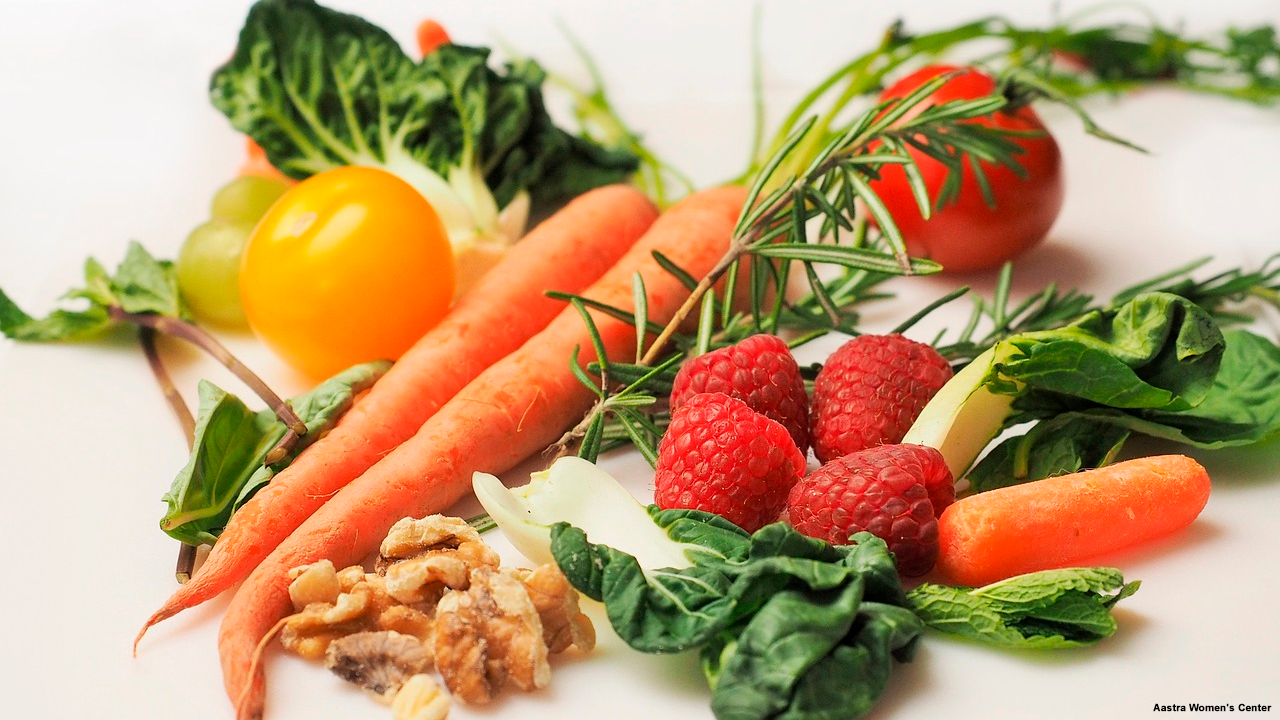
 Women’s body gets extremely weak after an abortion. In order to get the stamina and earlier energy back to the body to function normally, it is important to take care of the diet. Your diet plays a vital role in recovering or healing. Read on to know the correct diet chart or food to eat and avoid.





Miscarriage is really a tough time for a woman both mentally and physically. The loss of a new life takes her into mourning and depression. A woman needs some time to get over it. During this time, it is necessary that her partner should take charge of her physical and mental well-being of the body. The couple can consult any gynec for this and the doctor can make a nutritious diet plan for her that will help her in faster healing. Right after any miscarriage, the couple shouldn’t plan for conceiving near sooner. They should wait for some time and this time should be utilized for proper body recovery.
A woman might experience lots of health problems like cramps, weakness, pain, and bleeding for around 2 weeks. Miscarriage can impact her mental health negatively. Recovering the energy and stamina back in the body should be her priority. The woman doesn’t have to starve her body, they should eat a healthy and nutritious diet meal.
Foods to eat
Proteins – Proteins are made of amino acids; their function is to repair and replenish the damaged cells. One can consume cheese, curd, fish, eggs, lentils, grains, quinoa, and properly cooked lean meats in their daily routine. Integrating these protein sources will help in faster healing.
Folate-rich foods – Folate helps in quick and better recovery after miscarriage. Foods that contain ample amounts of folate in them include kale, broccoli, spinach, nuts, seeds, and lettuce.
Calcium and Magnesium rich foods – Depression is the most common symptom of miscarriage and magnesium helps in tackling the same. Some magnesium-rich foods are whole grains, chocolates, and green leafy vegetables. For calcium, you can consume dairy products. Dairy products are the first and foremost source of calcium.
Iron and vitamin C-rich foods – This includes readily available dates and raisins. They both contain a high amount of vitamin C and iron. Vitamin C promotes faster recovery and better iron absorption in the body; therefore, this combination can be extremely beneficial. Oranges and other citrus fruits can get included in the diet.
Drink fluids – Women should drink plenty of fluids, they can take detox drinks, coconut water, and fruit juices all are beneficial. Even turmeric milk or golden milk is quite helpful as it acts as a painkiller and anti-inflammatory.
Foods to avoid
Junk foods – Burgers, pizzas, and French fries are all hollow calories, they might fill your stomach but don’t provide any nutrition to your body. Thus, avoid them as much as possible. Eat something which helps you build your body back and not empty calories.
Alcohol – We all know that alcohol otherwise also is not good for human health. It is even more harmful during this time post-abortion. Instead drink sufficient water, healthy drinks, coconut water, and detox water.
Soda – This is a clear No for all women suffering from post-abortion depression. It contains a high amount of caffeine and raises your blood sugar. Hence, not at all recommended.
Sugary foods – They contain lots of refined sugar which spikes the blood sugar levels in the body. Fluctuation in blood sugar slows down the process of healing. Therefore, they shouldn’t be consumed. Try having some homemade alternatives to this like dry fruits ladoo.




-23-300x250.png)

.jpeg)



.jpg)
.jpg)
.jpg)
.jpg)
.jpg)
.jpg)
.jpg)
.jpg)
.jpg)

