 Thursday, October 08, 2026
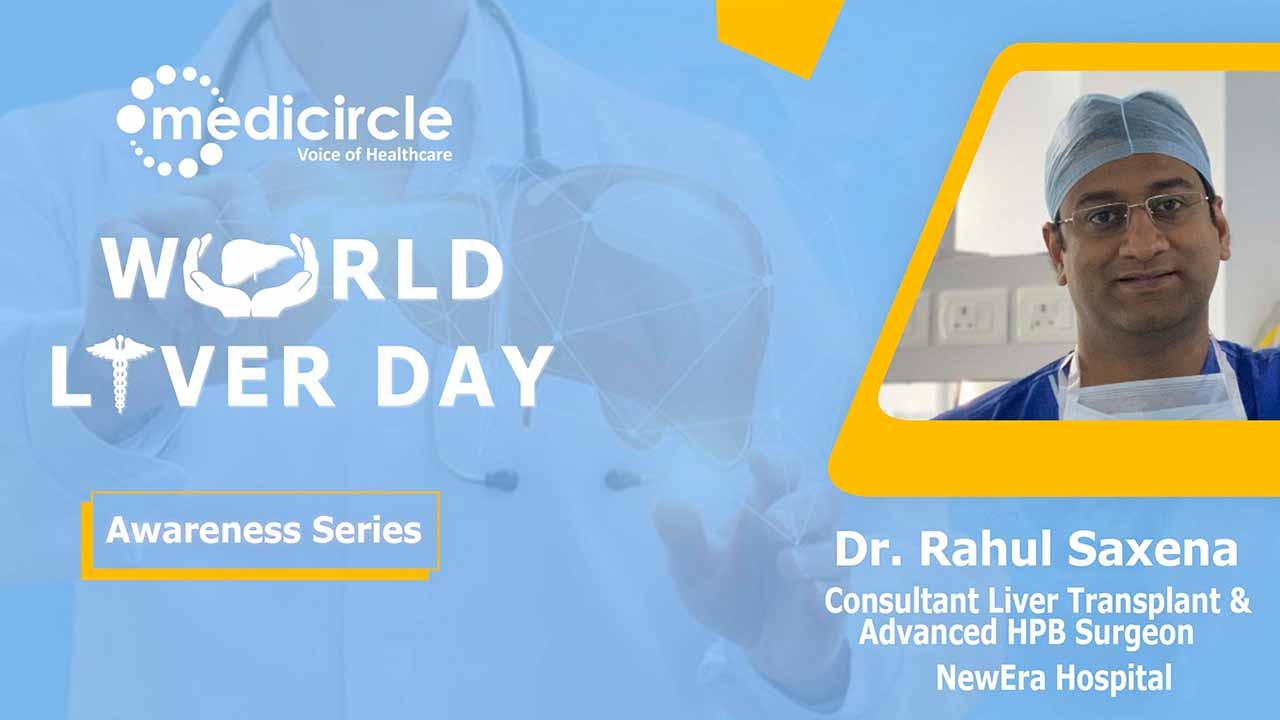
 Dr.Rahul Saxena shares some valuable insights about fatty liver and addresses taking precautions in the early stage of fatty liver to help prevent further damage to the liver. He explains the importance of modification in lifestyle with a healthy diet and exercise.





The liver is the second largest organ in our body and should be given the same importance as the brain and the heart. It is a key player in the body’s digestive system. The liver functions are very important in our body and contribute to the digestive functioning for effective metabolism. Over the past decade, there has been a steady rise in the number of cases of liver disease. World Liver Day is observed on the 19 th of April every year. At Medicircle, on the occasion of world liver day, we are speaking to eminent gastroenterologists and hepatologists to build awareness about the healthy functioning of the liver.
Dr.Rahul Saxena is a liver transplant and hepatic-pancreatic biliary surgeon, currently based in Nagpur. He has extensive experience of more than 1000 living donor and cadaveric donor liver transplants as well as kidney transplants, small bowel transplants, pancreas transplants, and complex hepatobiliary surgeries in both adults and children.
Dr.Saxena was instrumental in starting the Liver Donor Liver Transplant Programme at Sahyadri Hospital Nagpur in 2016-17 and his team performed 65 liver transplants(both DDLT and LDLT) in the very first year of its inception. His main mission is to make liver transplants affordable and within reach of the common Indian masses. He is a researcher and has published articles in many major Indian and International indexed journals. He is a regular attendee and faculty member at most of the world forums associated with liver transplantation.
Symptoms of an unhealthy liver that needs special attention
Dr.Rahul Saxena says, “The liver is considered to be the powerhouse of the human body. All the energy is provided by the liver. So when liver diseases occur, there are initial or early symptoms and some advanced or late symptoms.
The initial symptoms or early symptoms include
- Weakness
- Loss of appetite
- Loss of weight
- Vomiting
- Nausea.
The advanced symptoms include
- Jaundice in which there is a yellowish discoloration of the eyes and skin and may include pale-colored stools.
- Abdominal pain is not localized to any one part but to the entire abdomen Itchiness all over the body
- Confusion Irritability
- Daytime sleepiness”
Causes of liver derangement
Dr.Saxena informs, “The most common causes of liver disease are as follows:
- Obesity or metabolic syndrome. This may be associated with diabetes, high blood pressure, hypothyroidism. We normally evaluate this with the waist circumference. In the case of males, it is more than 40 inches, in the case of females, it is more than 35 inches which suggests that they are suffering from metabolic syndrome. So, all these individuals are at high risk of getting liver disease. Obesity is one of the leading causes of liver disease all over the world.
- Alcohol is now one of the most important causes of liver disease
- Hepatitis infection
- Postpartum Weight gain after pregnancy
- Increased cholesterol levels and deranged metabolic profile: This is mainly increased due to lockdown
- Sedentary lifestyle especially in work from home set up
These high-risk group patients should get themselves tested for liver diseases even if they are asymptomatic.”
Diagnosis of fatty is a must in the initial stages
Dr. Rahul states, “The diagnosis of the liver is very important to detect fatty liver at an early stage.
Ultrasonography (USG) Fibroscan of liver
Fatty liver has four stages: It is important to note that stages 1,2, and 3 are reversible but stage 4 fatty liver is irreversible. If you have reached stage 4 of the liver, then it gets damaged and can lead to fibrosis of the liver. The only option of treatment left at this stage is liver transplantation. So, it is important to stop alcohol and control sugar at the initial stages of fatty liver. With all lifestyle changes, you can keep your lipid profile under check. It is important to exercise for at least 45 minutes every day, around five times a week, and make simple dietary changes to lose weight. avoiding junk food, refined sugar, candies, aerated drinks, salt, red meat, pork, butter, cheese, white bread, and saturated fats. Opt for coconut oil or olive oil which is beneficial to the liver. Include fresh fruits which are full of antioxidants like oranges. Coffee and green are also good and enriched with antioxidants which are good for the liver. ”
Changes in lifestyle are a must
Dr.Saxena explains, “Changes in lifestyle by modifying your diet and including regular exercise is a must for healthy functioning of the liver. We have to change our lifestyle and get back to hard work like in the olden days. Your body needs to be active. Eating homemade healthy and simple food is a key to a healthy liver.”
(Edited by Dr.Rati Parwani)





.jpeg)










.jpg)
.jpg)
.jpg)
.jpg)
.jpg)
.jpg)


.jpg)