 Saturday, November 21, 2026
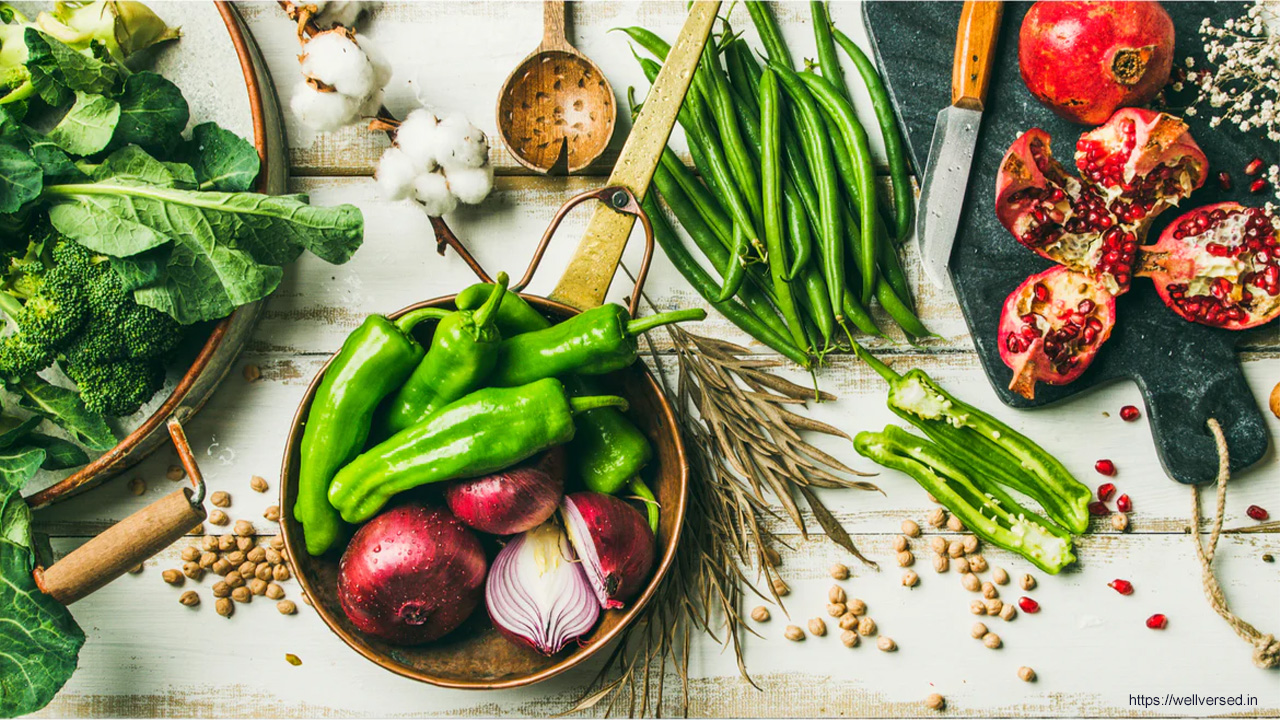
 If you are thinking of adopting a plant-based diet plan or thinking of going completely vegetarian, you are on the right page with us. So, consider these tips along with the pros and cons of why you should choose a vegetarian meal plan.





Are you a vegetarian? Well, if your answer is yes, you need to look into your nutritional needs and requirements in the right way. But, hold on before you knock down to turn into a nonvegetarian, Think again!! Being a veggie has many benefits which are not known to many. It is a great thing for your body as you are close to nature at its best. There are some well-known celebs who have gone vegetarian to stay healthy for a long time. It has been proven that the plant-based diet is one of the best diets and has many benefits.
The Pros of Vegetarian Plans
The benefits and pros of choosing to be vegetarian are great. Let us check them out.
- Reduce the risk of disease
It is important to consume a vegetarian diet if you wish to reduce the risk of disease. It keeps the body healthy which reduces the risk of any disease and makes you less susceptible.
- Boost longevity
Vegetarians have longer lives and stay healthy throughout their lives. It improves the quality of life. So, you can boost longevity with an improved and healthy lifestyle by following holistic vegetarian meals.
- Helps in weight loss
Vegetarian meals help in good weight loss. They help in controlling cholesterol levels. Vegetarian meals are high in fiber and this helps in absorbing all harmful fats from the body.
- Nature friendly
With green vegetables, you are close to nature. Nature helps in the best and faster healing process. For example, you will have a mild cold and flu during the winter season which may not cause any problems in the summer season.
- Organic
Green vegetables are organic and crude in nature. Including raw vegetables can be very nutritious for your body. Organic foods keep your gut healthy.
- Cruelty-free
Being a vegetarian is cruelty-free and is not attained by harming the animals. This is a plant-based diet that is great for the body and a healthy lifestyle.
The Cons of Vegetarian Plans
- Fewer choices
Vegetarians have fewer choices with vegetables and fruits.
- Less protein intake
Vegetarians may lack protein sometimes. Having lentils and pulses is not enough for a healthy protein intake.
- May or may not be healthy
Just eating vegetarian food may be unhealthy at times. You need all micronutrients and macronutrients from wholesome meals. Take care not to choose junk food.
- Exposure to chemicals
Packaged or instant meals may cause exposure to processing which may include preservatives and chemicals.
- Nutritional deficiency
Vegetarian foods may lack some nutrients and essential minerals as compared to animal-based foods.
- Fewer food choices
Vegetarian options may be fewer. However, including a nonvegetarian diet along with vegetarianism can give you many options.
These 6 pros and cons are very interesting to note before you turn completely vegetarian. So before you get started with going vegetarian, it is important to take into account the pros and cons.




-23-300x250.png)




















