 Thursday, October 08, 2026
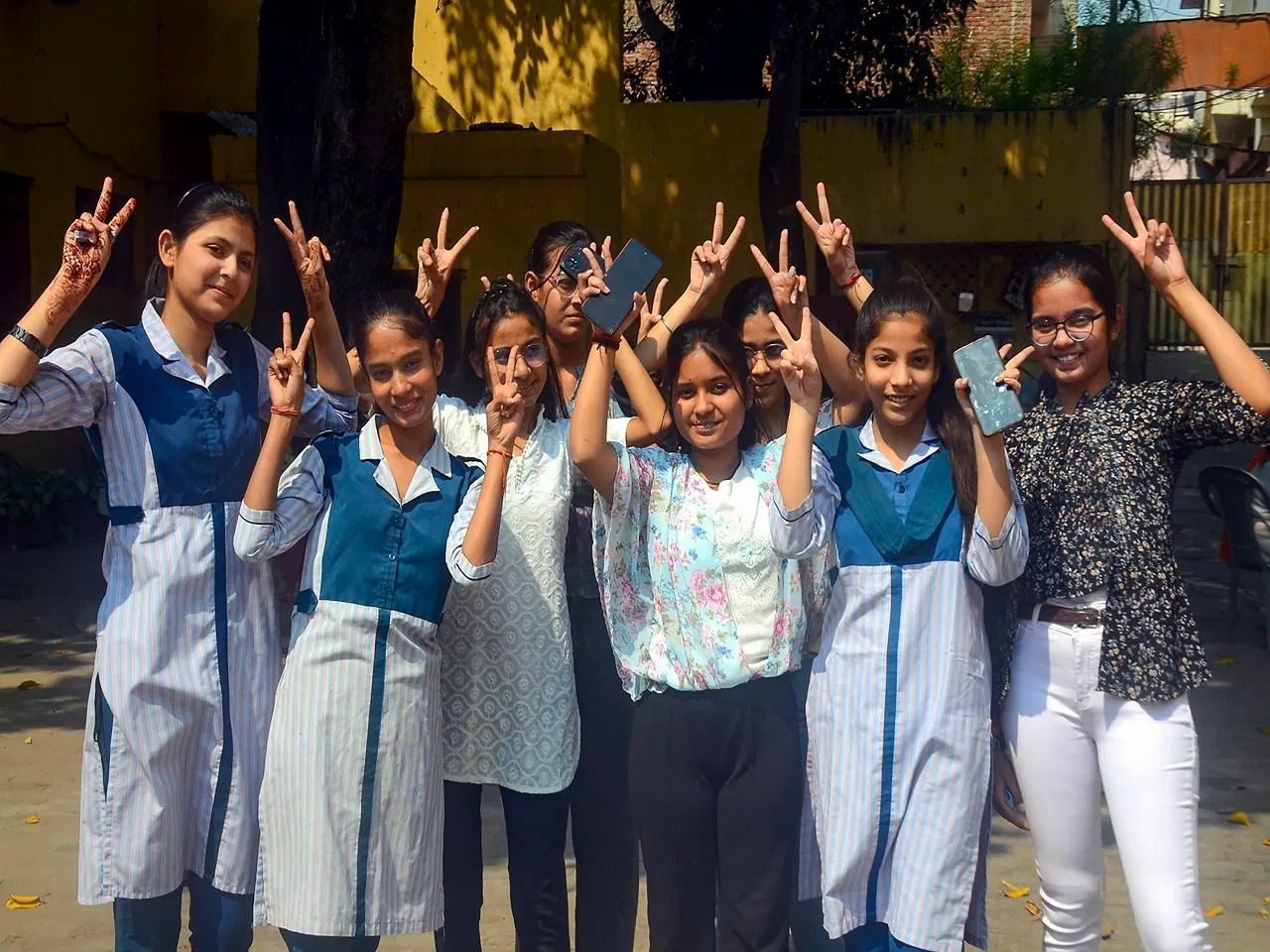
 This initiative sends a powerful message about the importance of educational equity and inclusivity. It highlights the belief that every student with the talent and determination to pursue a career in medicine should have the opportunity to do so without the stress of financial constraints.




In a heartening development that aims to eliminate the financial burden on underprivileged students in Puducherry, Chief Minister N Rangasamy has announced a groundbreaking initiative. The Puducherry government will fully bear the educational expenses of government school students admitted under the 10% quota in medical and dental colleges across the union territory. This announcement, made under the Perunthalaivar Kamaraj Financial Assistance Scheme (PKFAS) for higher professional education, is going to significantly impact the lives of deserving students who aspire to pursue a career in medicine.
The Background of PKFAS and the Financial Challenge
Under the existing Perunthalaivar Kamaraj Financial Assistance Scheme (PKFAS) for higher professional education, the government provides annual financial support of up to Rs 2,25,000 per student for those admitted to private medical colleges through the Centralised Admission Committee (CENTAC). While this aid is undoubtedly beneficial, it doesn't cover the entire cost of education, leaving students to grapple with substantial remaining fees. Consequently, many students find themselves seeking loans to bridge this financial gap.
The Current Scenario: The Plight of Aspiring Medical Professionals
In the current academic year, Puducherry has reserved 37 MBBS seats specifically for government school students, with 24 in private colleges and the remaining 13 in government institutions. Furthermore, dental and Ayurveda colleges have allocated 11 and four seats, respectively, for these students. However, the financial landscape for aspiring medical professionals remains challenging.
Government medical colleges charge an annual fee of Rs 1.44 lakh, an amount not covered by the PKFAS. In private medical colleges, the fee escalates to Rs 4 lakh, meaning that students are required to pay Rs 1.75 lakh out of their own pockets after considering the assistance provided by the scheme. Meanwhile, dental colleges charge Rs 86,000 for their courses, another expense not covered by the existing financial support system.
This year, CENTAC reported that only 20 government school students who qualified for the National Eligibility cum Entrance Test (NEET) were eligible for admissions under the 10% quota. Out of this pool, nine have been admitted to the Indira Gandhi Government Medical College, ten in private medical colleges, and one in a government dental college. These students represent the hope of a brighter future for their families and communities, yet the financial burden they face remains a significant obstacle.
A Ray of Hope: Chief Minister N Rangasamy's recent announcement has been met with profound relief by the students fortunate enough to secure admissions under the 10% quota. The majority of these aspiring doctors hail from underprivileged backgrounds, and the prospect of having their educational expenses fully covered by the government represents a lifeline to their dreams.
The Chief Minister emphasized that the government's commitment to covering the entire cost of their education is rooted in a broader vision of ensuring that financial constraints do not hamper the ambitions of those who aspire to study medicine. This visionary step reflects the government's dedication to fostering educational equity and providing opportunities for every deserving student, regardless of their socio-economic background.
Empowering the Future of Medicine: By fully bearing the financial burden of government school students admitted under the 10% quota in medical and dental colleges, the government is not only empowering the dreams of these students but also investing in the future of healthcare in the region.
This initiative sends a powerful message about the importance of educational equity and inclusivity. It underscores the belief that every student with the talent and determination to pursue a career in medicine should have the opportunity to do so without the stress of financial constraints. As these aspiring doctors embark on their educational journey, they carry with them the hope of a healthier and more equitable society, thanks to the compassionate support of the Puducherry government.





.jpeg)










.jpg)
.jpg)
.jpg)
.jpg)
.jpg)
.jpg)


.jpg)