 Thursday, October 08, 2026
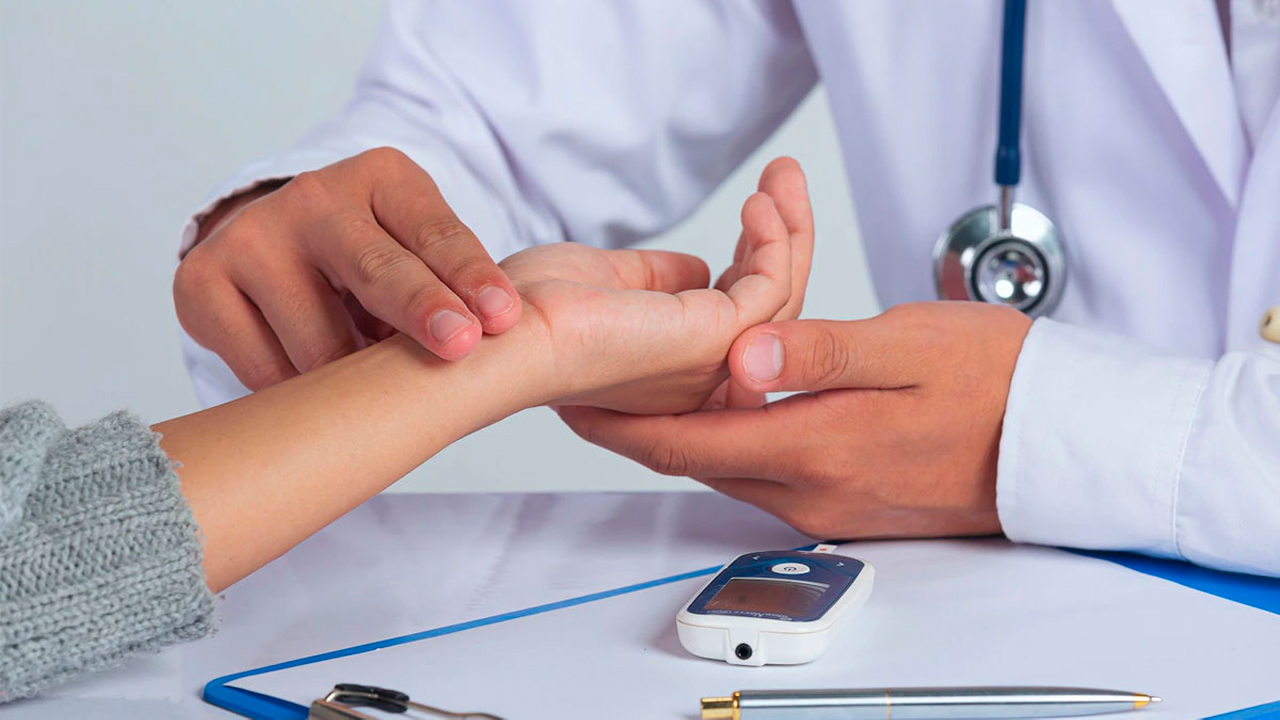
 Pre-diabetes is a state when you have blood sugar higher than the normal range. Pre-diabetes is the marker that tells whether you are likely to develop type 2 diabetes or not. The best part of pre-diabetes is that it is curable. Let’s take a look at some lifestyle modifications that can help reverse the pre-diabetes stage.





Diabetes can be present since birth or one may develop it because of a poor diet and sedentary lifestyle. Pre-diabetes is a state when you have blood sugar a little higher than the normal range. Pre-diabetes is the marker that tells whether you are likely to develop type 2 diabetes or not.
The best part is pre-diabetes is curable. You can restore your sugar levels back to normal by making lifestyle changes, eating a healthy diet, and exercising. Let’s take a look at some lifestyle modifications that can help reverse the pre-diabetes stage.
Follow an active lifestyle – Without joining a gym also, you can manage to do physical workout. Use a bicycle for going nearby, and use stairs instead of a lift. An active lifestyle lowers blood sugar and helps reverse the pre-diabetes stage. Try to spend 30 minutes daily from your busy routine doing any kind of physical activity. Living an active lifestyle has other benefits also like it reduces the risk of heart diseases, promotes weight loss, and helps in getting relief from stress.
Right nutrition – Eat lots of fruits and vegetables. Include whole grains to your diet. Pick lean meats and non-fat dairy products. Avoid eating fatty and sugar-rich foods. Keep in mind that sugar is produced from carbohydrates, so limit the consumption of carbs also.
Mental health matters – Stress can cause your blood sugar to rise. Anxiety or depression affects the normal functioning of the body. Find ways to relax, yoga, deep breathing, meditation, and relaxation techniques. If needed, seek professional help. They can be really helpful in improving mental health conditions.
Quit smoking - Diabetes increases your risk of developing conditions like nerve damage, heart disease, eye disease, kidney disease, blood vessel disease, stroke, and foot issues. And smoking increases the likelihood of developing these issues. Consult the doctor or rehab centers for positive results.
Limit your drinks - Alcohol can cause an unstable rise or fall in blood sugar levels. Limiting the excessive use of beer, wine, and alcoholic beverages may make it easier to manage your blood sugar.
Regular check-ups – Regular check-ups can help you in determining other problems because of pre-diabetes in the early stage. Diabetes increases the risk of other health conditions like rain damage, heart, kidney, eyes etc. Hence, consult your doctor regularly at least twice a year.
(Disclaimer: The content on this site is for informational purposes only, and should not be taken as professional medical advice. Always seek the guidance of your doctor or other health professionals for any questions you may have regarding your health or a medical condition.)





.jpeg)








.jpg)
.jpg)
.jpg)
.jpg)
.jpg)
.jpg)


.jpg)
.jpg)
.jpg)