 Sunday, October 11, 2026
 India has been suffering from the combined effects of two silent epidemics for many years: tuberculosis (TB) and undernutrition. TB has primarily been treated clinically both in India and around the world. Unsurprisingly, controlling the TB bacteria has been the primary focus of health systems, programs, and policies.




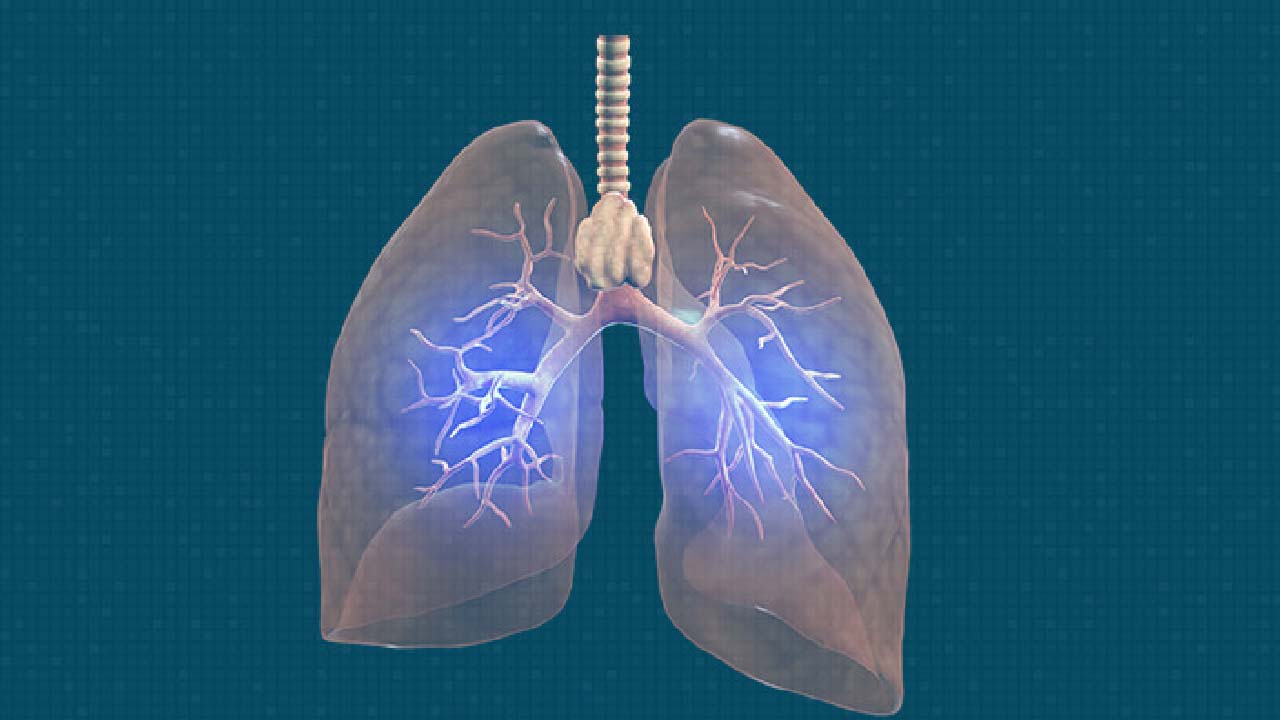
Tuberculosis (TB) is an infectious disease that primarily affects the lungs. Tuberculosis bacteria spread from person to person via tiny droplets released into the air by coughs and sneezes.
Many tuberculosis strains are resistant to the drugs most commonly used to treat the disease. People with active tuberculosis must take a variety of medications for months to clear the infection and avoid antibiotic resistance.
According to WHO, Globally, an estimated 10 million people will contract tuberculosis (TB) by 2020. 5.6 million men, 3.3 million women, and 1.1 million children. Tuberculosis (TB) affects all countries and age groups. However, tuberculosis is both curable and preventable.
TB is caused by Mycobacterium tuberculosis bacteria. When a person with pulmonary TB coughs, sneezes, spits, laughs, or talks, they can disperse through the air in droplets.
The infection can only be spread by those who have active TB. However, after receiving the necessary treatment for at least two weeks, the majority of patients are no longer able to transmit the bacteria.
Signs and symptoms of active TB include
- Coughing for three or more weeks
- Coughing up blood or mucus.
- Chest pain, or pain with breathing or coughing
- Unintentional weight loss
- Fatigue
- Fever
- Night sweats
- Chills
- Loss of appetite
TB risks include
- Immune systems that are immature or compromised, such as those of infants and children.
- individuals suffering from diabetes, kidney disease, or other chronic (long-term) illnesses.
- individuals who have had organ transplants.
- Individuals who have not received the BCG vaccination
Halt the transmission of tuberculosis
Before becoming infected, you typically need to come into prolonged contact with someone who has active TB. Following are recommendations for preventing infections:
- Wash your hands frequently and thoroughly.
- Covering your mouth when you cough or cough into your elbow.
- Avoiding close encounters with others.
- Ensuring proper medication administration for all of your prescriptions.
- If your doctor has not given you the all-clear, refrain from returning to work or school.
A vaccine to prevent tuberculosis
Use a TB vaccine called Bacillus Calmette-Guerin (BCG). The vaccine is mostly given to children in countries with high rates of TB to prevent meningitis and a serious form of TB called miliary tuberculosis. The vaccine may make skin tests for TB less accurate.
(Disclaimer: The content on this site is for informational purposes only, and should not be taken as professional medical advice. Always seek the guidance of your doctor or other health professionals for any questions you may have regarding your health or a medical condition.)





.jpeg)










.jpg)
.jpg)
.jpg)
.jpg)
.jpg)
.jpg)


.jpg)