 Thursday, October 08, 2026
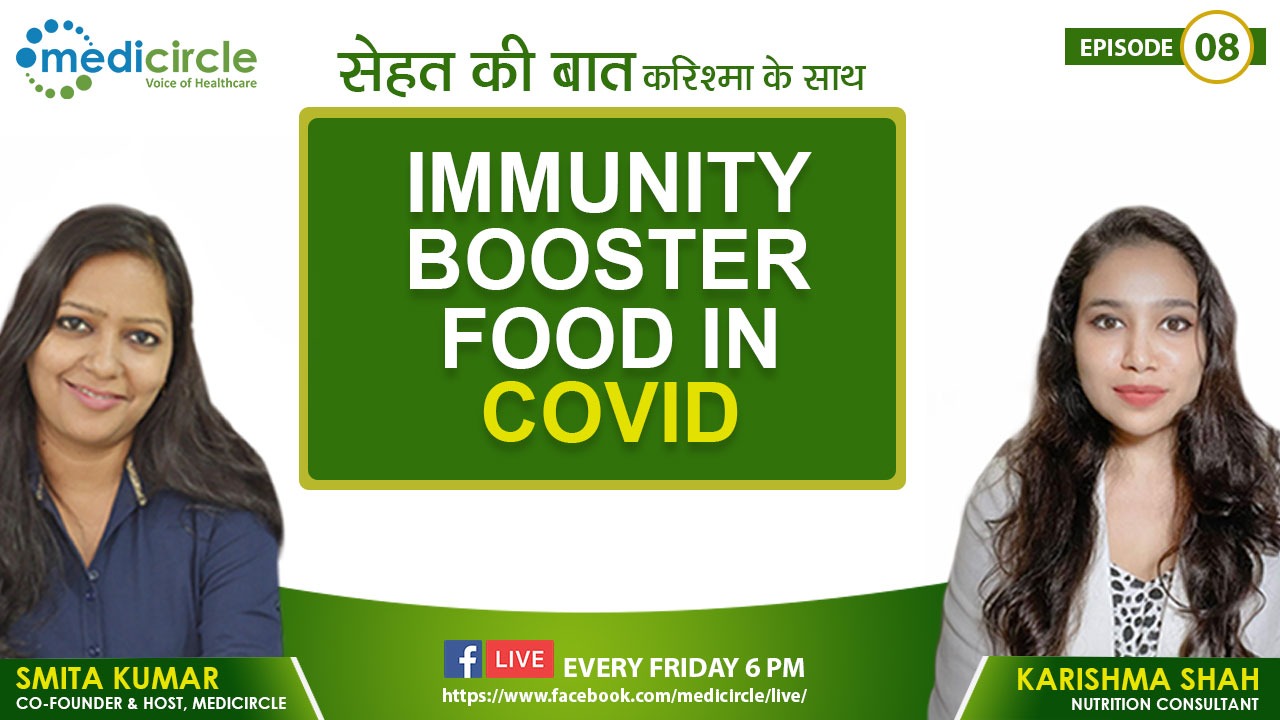
 Karishma Shah informs about the healthy and nutritious diet especially for COVID affected and recovering patients. With her expertise, she gives us an important tip for consuming mango which is a must read diet.





The COVID cases are on high rise this year. Many doctors are treating COVID symptoms with antivirals, and vitamins. The doctors are also advising for complete rest with a nutritious diet. If you are recovering from COVID, the right choice of diet is important for a good immune system.
At Medicircle, we are presenting the Ask The Expert Series for health awareness to understand facts and find solutions related to them. We have come up with the series of Sehat Ki Baat, Karishma Ke Saath. Let’s interact with Expert Karishma Shah about the correct diet for the people who are COVID positive and recovering from the COVID
Karishma Shah is a Renowned Nutritionist and Plant Diet based Food Coach. She is also a Weight Loss Expert, Diabetes and PCOS Educator & Certified in Psychology of Eating.
Home tricks for healthy immune system
Karishma Shah says, “ The tried and tested home remedies as advised by our mothers and grandmothers are resurfacing now. The “Kadhas” are again coming into existence. Taking supplements like ayurvedic immune boosters is not a good idea for the body which is already fighting infection. Ayurvedic supplements can have a great impact on the liver and kidney. Try indian kadhas and steams with camphor with home precautions.
Healthy diet tips for post COVID patients
Karishma informs, “ These points are important to remember:
Fat consumption should be reduced. Avoid extra oil and choose oil close to your ethnicity. Do not use avocados oil and olive oils.
Dairy products should be reduced, especially paneer, cream, curd, ghee and milk. These foods have a high amount of fat in them and should be reduced. Do not consume ghee, butter and cheese in excess.
Nuts and seeds: Handful of nuts should be consumed. Nuts like peanuts, cashew nuts and almonds must not be overconsumed and must be consumed as snacks.
Fat consumption should be managed in everyday diet. Overconsumption of fat should be regulated as there are higher chances of inflammation with fatty foods. Inflammation is a direct invitation to COVID virus which increases the C-Reactive protein in the blood.
Dal rice and khichadi is essential for amino acids in the diet. Do not avoid rice. To fight covid, it is important to eat rice.
Anti -oxidant rich food: Incorporates this food group rich with antioxidants can help fighting corona.
Anti- diabetes nutritious diet
Karishma states,”Diabetes results in high inflammatory levels in the body. They should consume the following diet :
Anti inflammatory foods Vitamin D rich foods Iron rich foods Calcium rich foods Vitamin B12 foods
Diabetic patients do not consume vitamin rich food and the low levels of acids due to anti-diabetic medications taken over a period of time results in lack of absorption of the nutrients from food. This results in nutritional deficiency and will be easily prone to coronavirus infection.
Important tips on diet for diabetics
Karishma states, “ Breakfast is a very important meal for diabetics. Due to fasting throughout the night, the body insulin levels fluctuate in the body. In the morning , a healthy breakfast is important to restore and balance the insulin levels.
Non-veg breakfast for diabetics- Consume the whole egg omelette for breakfast.
Veg breakfast for diabetics - Poha with green vegetables.”
Reducing the gaps between meals will help in ensuring and regulating the insulin levels for diabetics. Including fruits and nuts between meals can help
Lunch: Consuming the small meal is important for diabetics. Do not overburden your body when you are diabetic. Small meals help in healthy metabolism and good digestion.
Sweet cravings: Dates is best for diabetics and helps to beat sugar cravings especially this COVID season. One or two dates during day time and not long with meals can help.
Dinner: Eat simple dinner like idli, dosa which are light on stomach. Dinner must be traditional, smaller and simpler meals are best for diabetics.
Eat mango the right way especially for diabetics
Karishma states, “Do not eat mango with breakfast,lunch,or dinner. It should be eaten as a separate snack. This is the right way to eat mango. Include nuts with mango which will balance your insulin levels.”
Important nutrients and vitamins during COVID season
Karishma informs, “The important nutrients this COVID season are:
Vitamin C Iron Vitamin D Vitamin B12 (must for vegans)
Foods rich in Vitamin C are very helpful for high absorption and prevent cold and flu like symptoms. Incorporate these vitamins and nutrients in your daily diet.
Diet for post COVID patients
Karishma says, “The diet for post COVID patients must include,
Easy to digest food Reduce bad fats and increase good fats Fruits and vegetables Hot liquids like soup, broths
Herbal medicines for COVID
Karishma states, “ Herbal remedies from natural sources should be included like:
Ashwagandha powder Giloy juice ‘ Aloe vera juice Sour fruits
Avoid herbal medicines which may harm and put more pressure on the liver and kidney. Avoid experimenting with your body.”
(Edited by Dr.Rati Parwani)





.jpeg)










.jpg)
.jpg)
.jpg)
.jpg)
.jpg)
.jpg)


.jpg)