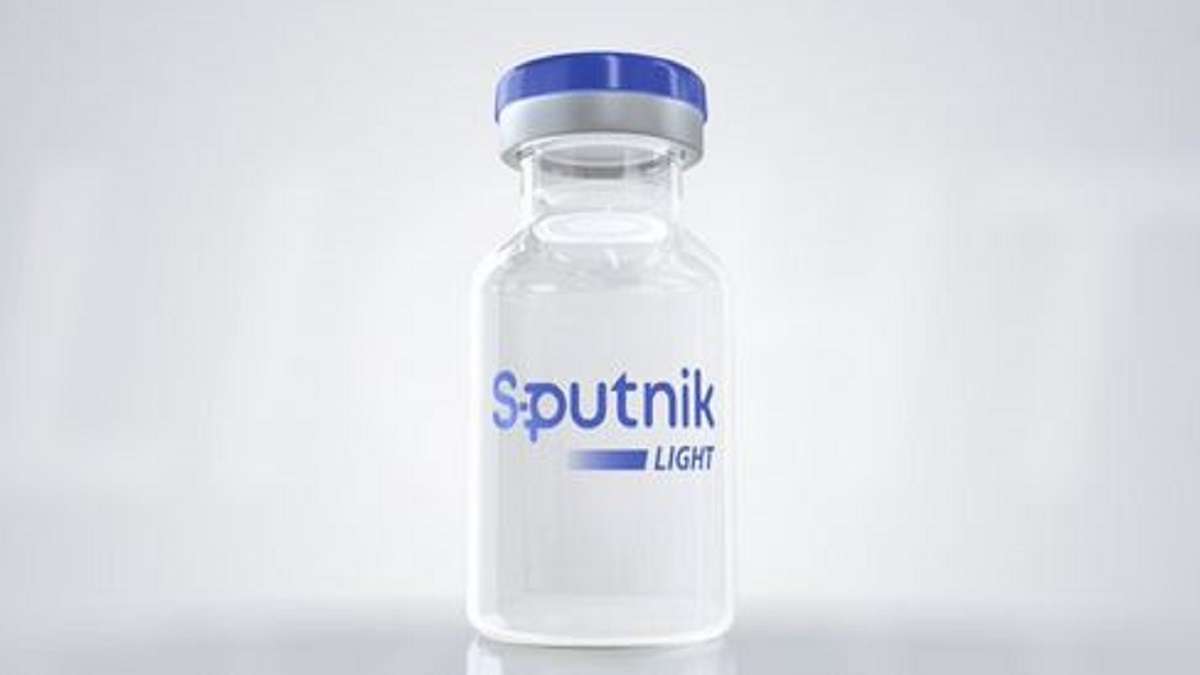
Sputnik Light vs Sputnik V – Know the difference


Deprecated: strlen(): Passing null to parameter #1 ($string) of type string is deprecated in /home/medicircle/public_html/script_newsdetails.php on line 75
▴
All about Russia’s Sputnik vaccine

Sputnik Light, the single-dose version of Russia's Sputnik V vaccine has got the Drug Controller General of India (DCGI) approval for Phase III clinical trials in India. 

Sputnik V (Gam-Covid-Vac) is the world's first vaccine against coronavirus, registered in August 2020. Sputnik Light is its new first component based on human adenovirus serotype 26.

Sputnik V is a two-dose vaccine that targets the immune cells for quick antibody production. Sputnik Light is a single-dose vaccine that uses recombinant human adenovirus number 26 to transport requisite information into the system.

Sputnik Light is reportedly less effective against the Beta variant or coronavirus but offers good odds of protection against others, including the deadly Delta variant. It's said to be ideal for areas with acute outbreaks. This will also help in vaccinating more people as early as possible.

Sputnik Light shows 79.4 % efficacy as per the data from Russia’s mass vaccination programs while Sputnik V is 91.6% efficient against COVID-19 as per the reports published in The Lancet. 

Sputnik V Vaccine is developed by Russia’s Gamaleya Research Institute of Epidemiology and Microbiology. The central government has fixed Rs. 1145 as the maximum price of Sputnik V vaccine in private hospitals. Sputnik Light single-dose vaccine can come in October for consumers. Russian Direct Investment Fund (RDIF) has tied up with six Indian drug makers to manufacture Sputnik V. Dr. Reddy’s is in a pact with the Russian Direct Investment Fund to sell the first 125 million people doses (250 million vials) of COVID-19 vaccine Sputnik V in India.


Tags : #Spotlight #SputnikV #SputnikLight #COVIDVaccine #RussiasSputnik #COVID19 #RDIF #Medicircle #SmitaKumar

Related Stories

Loading Please wait...

-Advertisements-


Trending Now

Digital Identity Fraud in Healthcare: What India Must KnowNovember 18, 2026
Wearables in Clinical Care: When Should Doctors Trust the Data?November 18, 2026
Cybersecurity for Medical Startups: What Founders MissNovember 18, 2026
Remote Patient Monitoring: The Next Phase of Virtual CareNovember 18, 2026
Digital Health Wallets: Future of Medical Records in IndiaNovember 17, 2026
How Hospitals Can Prepare for a Transparent Healthcare MarketNovember 17, 2026
Childhood Nutrition: Understanding Micronutrient Gaps Beyond CaloriesNovember 16, 2026
Anaemia in Adolescent Girls: Connecting Prevention, Testing and Nutrition SupportNovember 16, 2026
Health Information Exchanges in India: Are Medical Records Finally Going Portable?November 16, 2026
Hospital Accreditation in 2026: What Is Changing Beyond the Checklist?November 16, 2026
Digital Insurance Platforms and India's Health Coverage FutureNovember 14, 2026
ABDM 2.0: India's Digital Health Ecosystem FutureNovember 14, 2026
Vaccine Cold-Chain Management: Protecting Immunisation Quality From Storage to DeliveryNovember 14, 2026
Foodborne Illness Surveillance: How Public Health Systems Track RisksNovember 14, 2026
Interoperability in Indian Healthcare: Why Patient Data Still StrugglesNovember 13, 2026
Tuberculosis Contact Screening: How Preventive Care Works Around ExposureNovember 13, 2026
COPD Care in India: Linking Diagnosis, Inhaler Education and Follow-UpNovember 13, 2026
Management of ANCA Glomerulonephritis: Induction & Maintenance ProtocolsNovember 12, 2026
Smart Hospital Command Centres Transforming IndiaNovember 12, 2026
Gamma Knife Surgery in India: What You Need to KnowNovember 12, 2026