 Thursday, October 08, 2026
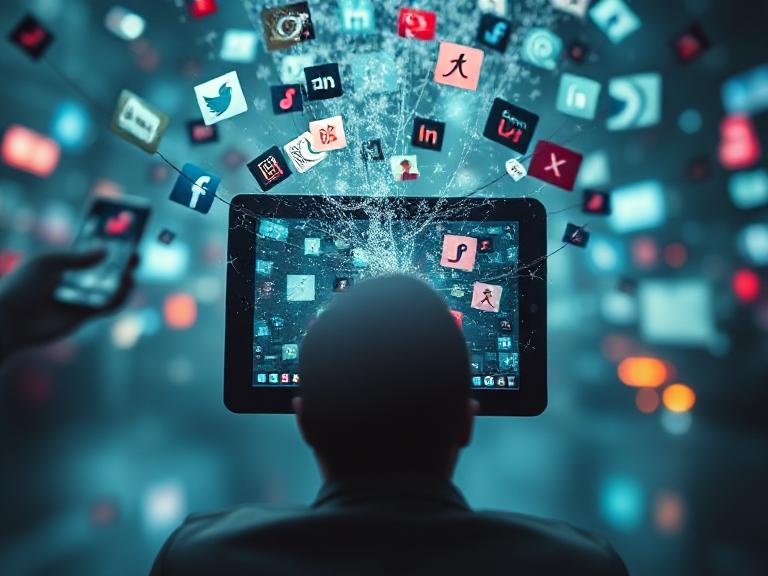
 At its best, social media can connect, educate, and inspire. But at its worst, it traps us in false realities, warping self-perception and feeding dangerous delusions.




In today’s digital age, social media is no longer just a tool for communication—it has become a powerful force shaping how we think, feel, and perceive the world. From scrolling through Instagram reels to checking updates on X or Facebook, people spend hours online without realizing how deeply it influences their minds.
The social media impact on mental health is a growing concern across the globe. Researchers, psychologists, and everyday users are beginning to notice patterns: increased anxiety, reduced attention spans, and a constant need for validation. While social media connects people, it also creates a distorted version of reality—what we call a “digital delusion.”
Understanding the effects of social media on mental health is essential not only for professionals in the field but also for anyone who uses these platforms daily.
Why It Matters
The impact of social media on mental health of students, working professionals, and even older adults is significant. Ignoring it can lead to long-term psychological consequences.
1. Rising Mental Health IssuesStudies show that the negative effects of social media on mental health include:
-
Anxiety and depression
-
Low self-esteem
-
Sleep disturbances
-
Social isolation
The constant comparison with curated, filtered lives creates unrealistic expectations. This is one of the major ways social media affects mental health today.
2. Impact on Teens and Young AdultsThe effects of social media on teens are especially concerning. Teenagers are more vulnerable because their brains are still developing. They often:
-
Seek validation through likes and comments
-
Compare their appearance with influencers
-
Experience cyberbullying
This contributes heavily to the mental health effects of social media in younger populations.
3. Academic and Cognitive ImpactThe impact of social media on mental health research paper findings consistently show reduced concentration and productivity. Students often struggle with:
-
Short attention spans
-
Procrastination
-
Reduced academic performance
This directly links to the impact of social media on mental health of students, making it a critical issue in education systems worldwide.
4. The Illusion of RealitySocial media presents a highlight reel—not real life. This creates a false perception of happiness and success, leading users to feel inadequate.
This is where The Digital Delusion: How Social Media Is Rewiring Your Reality becomes evident—it changes how you interpret your own life.
Benefits
While much focus is on the negatives, it’s important to recognize the positive effects of social media on mental health as well.
1. Community and SupportSocial media helps people:
-
Connect with like-minded individuals
-
Join mental health support groups
-
Share experiences openly
This can reduce feelings of loneliness.
2. Access to InformationPeople can easily access:
-
Mental health awareness content
-
Therapy resources
-
Self-help tools
This contributes positively to the social media impact on mental health when used responsibly.
3. Creativity and ExpressionPlatforms allow users to:
-
Share art, music, and ideas
-
Express emotions
-
Build confidence
Networking and learning opportunities are major advantages:
-
Career growth
-
Skill development
-
Knowledge sharing
Case Studies / Examples
1: Teen Anxiety from Instagram UseA 16-year-old student reported increased anxiety after spending 4+ hours daily on Instagram. She constantly compared herself to influencers, leading to low self-esteem. After reducing screen time, her mental health improved significantly.
This example highlights the effects of social media on teens.
2: Student Productivity DeclineA college student experienced declining grades due to excessive scrolling and notifications. After implementing digital detox strategies, his focus improved.
This reflects the impact of social media on mental health of students.
3: Online Support Group SuccessA working professional struggling with depression joined an online mental health community. The support and shared experiences helped improve emotional well-being.
This demonstrates the positive effects of social media on mental health.
Data / Statistics
Here are some important statistics about social media and mental health:
-
Over 4.9 billion people use social media globally
-
Average daily usage: 2.5 hours per person
-
Studies show a 30–40% increase in anxiety linked to heavy usage
-
Teen depression rates have risen by up to 60% in the last decade
-
Around 70% of users report feeling worse after comparing themselves online
These numbers clearly show the impact of social media on mental health is real and growing.
Step-by-Step Actionable Tips
To reduce the negative effects of social media on mental health, follow these simple steps:
1: Track Your UsageUse screen-time apps to monitor daily usage.
2: Set LimitsLimit social media to 30–60 minutes per day.
3: Curate Your FeedFollow accounts that:
-
Inspire
-
Educate
-
Promote positivity
Unfollow toxic or comparison-triggering content.
4: Take Digital Detox Breaks-
Try “no social media Sundays”
-
Avoid usage before sleep
Spend more time:
-
With family
-
With friends
-
In outdoor activities
Meditation and journaling help reduce stress caused by social media.
Comparison Table: Positive vs Negative Effects
| Aspect | Positive Effects | Negative Effects |
|---|---|---|
| Connection | Builds communities | Causes social comparison |
| Information | Easy access to knowledge | Spread of misinformation |
| Mental Health | Support groups | Anxiety & depression |
| Productivity | Learning opportunities | Distractions |
| Self-Image | Creative expression | Low self-esteem |
This table clearly shows the effects of social media on mental health can go both ways.
Mistakes to Avoid
When dealing with social media, avoid these common mistakes:
1. Overuse Without AwarenessScrolling endlessly without realizing time spent.
2. Comparing Yourself to OthersRemember: social media shows highlights, not reality.
3. Ignoring Mental Health SignsWatch for:
-
Mood swings
-
Anxiety
-
Sleep issues
This affects sleep quality and mental recovery.
5. Seeking Validation Through LikesYour self-worth should not depend on online approval.
Conclusion
The modern digital world offers both opportunities and challenges. While social media connects people and provides valuable resources, it also creates unrealistic expectations and emotional stress.
The effects of social media on mental health are complex and cannot be ignored. From increased anxiety to reduced self-esteem, the risks are real—but so are the benefits when used wisely.
Understanding The Digital Delusion: How Social Media Is Rewiring Your Reality helps you take control of your digital habits. By setting boundaries, staying mindful, and focusing on real-life connections, you can protect your mental well-being.
In the end, social media should be a tool that serves you—not something that controls your reality.





.jpeg)










.jpg)
.jpg)
.jpg)
.jpg)
.jpg)
.jpg)


.jpg)