 Wednesday, October 28, 2026
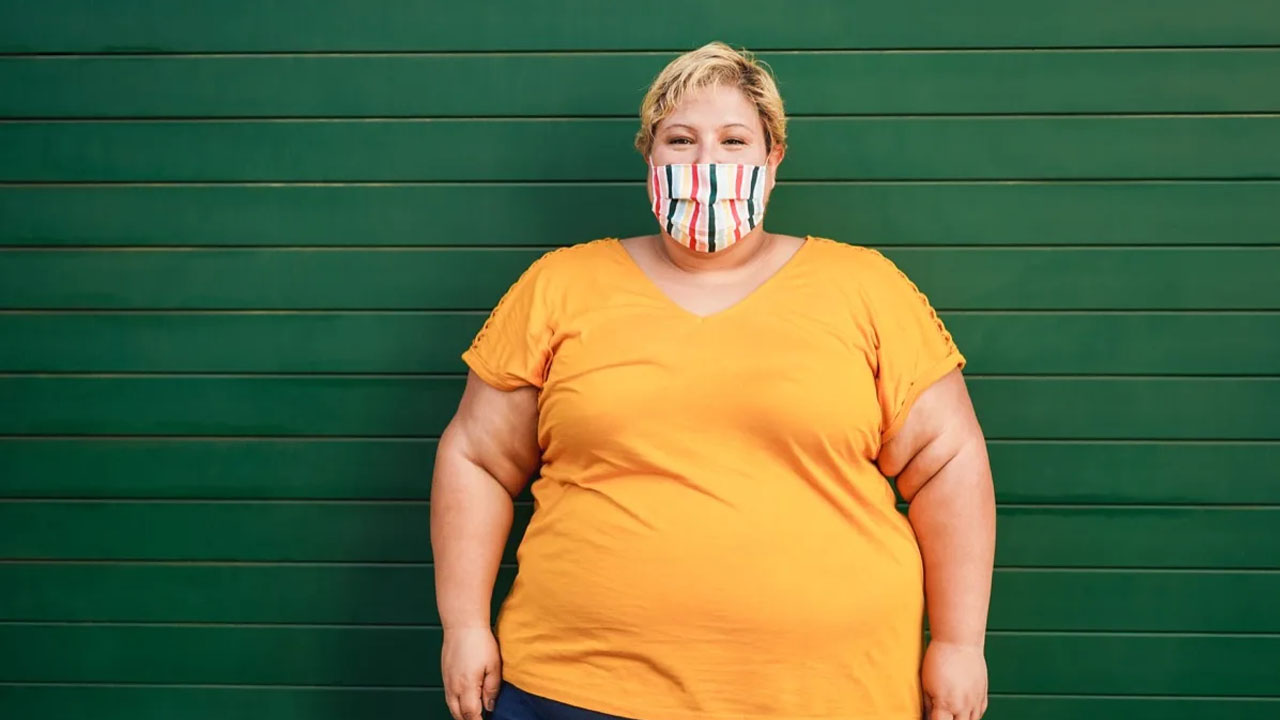
 Approximately 30% of patients with osteoporosis are generally overweight or have obesity. Obesity is one of the major risk factors for the onset of bone diseases too. Get some tips to manage osteoporosis with obesity.





Approximately 30% of patients with osteoporosis are generally overweight or have obesity. People with obesity are more prone to fractures and low-impact movements. Obesity is one of the major risk factors for the onset of bone diseases. For determining the nature of bone health, a person’s body weight, fat volume, the formation and breakdown of bones, fat in bone marrow, and inflammation caused by immune cells are factors that are taken into consideration.
It is a false notion that only older adults develop osteoporosis or any bone diseases. However, older adults are at a higher risk for developing the disease, but recent studies have found that being an elderly person is not necessarily a criterion for any kind of bone disease.
Childhood obesity causes reduced bone mass. If a child has a lower bone mass in his growing years, then they would have a lower bone mass in adulthood too. And this puts them at risk for osteoporosis in the future.
Obesity causes
The main reason for obesity is taking in more calories than your body needs or having more calories and burning out less. Other reasons might include
- Age and genetic
- Medical conditions
- Smoking
- Lack of awareness regarding nutrition of food
Osteoporosis causes
- Smoking
- Aging and diet
- Medical conditions and certain medications
- Low levels of estrogen
- Lack of vitamin D and calcium in the diet
- Sedentary lifestyle
Managing Osteoporosis with obesity
Weight loss is the only way to deal with osteoporosis. Losing some kilos is way more helpful in not only managing the condition but also preventing certain health issues.
- Lifestyle change – Lifestyle changes support attaining a healthier weight. These are small day-to-day changes but can have a drastic impact on weight. Set small goals to achieve, this will keep you motivated. Go for a low calorie, low carb, low and high fat, high protein diet. Regular exercise is very effective. Try to burn the excess calories which you have taken through exercise.
- Exercising with osteoporosis and obesity – If you overdo any wrong exercise, you will end up hurting your bones and muscles. Thus, doing the right exercise is very important. Posture exercises, strengthening exercises, balance, and functional exercises are safe with osteoporosis. Obese people should start with low-impact exercises like walking, and swimming to limit the stress on their body and joints.
- Medicines – People who take medicines for weight loss still need to live a healthier lifestyle and just depend on medicines.
- Natural remedies – Drinking green tea, consuming probiotics, and practicing mindful eating are some of the natural remedies that are scientifically proven to reduce weight.
(Disclaimer: The content on this site is for informational purposes only, and should not be taken as professional medical advice. Always seek the guidance of your doctor or other health professionals for any questions you may have regarding your health or a medical condition.)




-23-300x250.png)

.jpeg)







.jpg)
.jpg)
.jpg)
.jpg)
.jpg)
.jpg)
.jpg)
.jpg)
.jpg)

