Tuesday, October 06, 2026
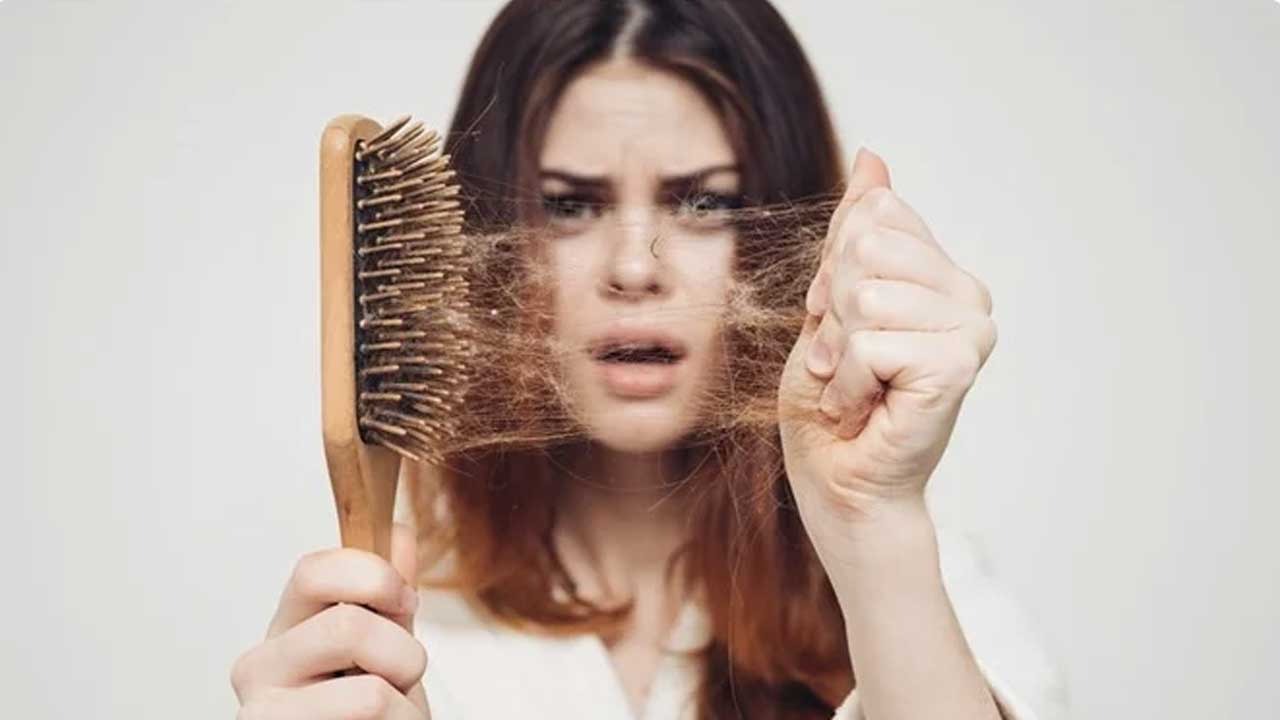
 Ensure you incorporate these methods in your daily routine and see the difference in the hair fall. Soon your hair will start growing and you will see great differences in your daily life too.





After recovering from corona, most people are facing various skin and beauty-related problems. Hair fall is also a major problem for them. Your mental stress can increase due to hair fall very fast. To avoid this stress and prevent yourself from progressing towards baldness, use the methods mentioned here.
Post-Covid Hair Prevention Tips
The supplements
Certain supplements can definitely help you in reducing hair fall. For example, vitamin C, zinc, calcium, and protein. However, you have to consume them only after talking to your doctor. Because these things may already be included in your medicines.
Along with this, applying some supplements to the hair will give a lot of benefits. For example, yogurt for vitamin E, protein, and lactic acid, and lemon juice for citric acid.
Start the day like this-
To reduce hair fall, it is important that you start your day in a healthy way. For this, do oil pulling first thing in the morning Believe me, this Ayurvedic method is very effective in getting you thick and healthy hair again.
For oil pulling, as soon as you wake up in the morning, fill a spoonful of oil in your mouth without eating anything. Keep this oil in the mouth for at least 2 to 4 minutes and keep swirling all over the mouth, then rinse. Do this work for just one month and see that along with your hair, you will also experience improvement in your health.
First food and drink
The first food or drink you take at the beginning of the day should be such that it gives instant energy to your body. For this, turmeric milk, basil-fennel-ginger decoction, soup or green cardamom, and cinnamon tea can be taken. Along with this, your first food can be namkeen porridge, sweet porridge, poha, idli, or gram flour cheela.
Light exercise and breathing
To reduce hair fall, you must do exercise and pranayama after a corona. By doing this your recovery will be very fast. Along with this, the problem of hair fall will also be reduced.
Breathing exercises associated with yoga-like pranayama and anulom-vilom are very helpful in increasing the oxygen level in your lungs as well as increasing the blood flow to the roots of your hair. Therefore, doing them strengthens the hair.
Adopt ayurvedic remedies in bath
To keep the hair healthy, sleep with the oil in the navel before sleeping at night. Before bathing in the morning, massage the entire body including the head with mustard oil and then take a bath.
After shampooing, apply aloe vera gel as a conditioner, not a conditioner. Make sure to apply any home hair mask at least once a week. Hair fall will be greatly reduced by these methods.
If you want to make hair thick and thick in a week, then definitely try this mustard oil recipe
Sleep problems
Hair starts falling very fast if you do not get enough sleep. However, most people are struggling with the problem of sleeplessness after a corona. In such a situation, for good sleep, but essential oil of your favorite fragrance on a handkerchief and keep it near your pillow. So that you get peace of mind and you can sleep well.





.jpeg)
.jpg)
.jpg)
.jpg)
.jpg)
.jpg)
.jpg)


.jpg)
.jpg)
.jpg)
.jpg)
.jpg)
.jpg)