 Friday, October 09, 2026
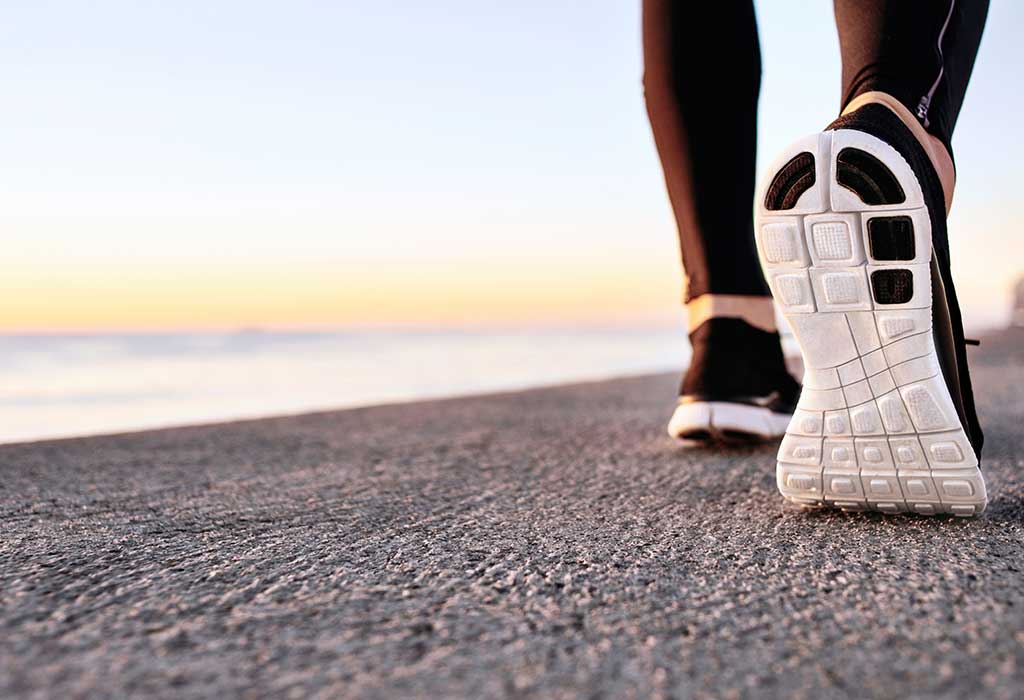
 The positive effects of exercise on health have been proven time and time again. Let’s check out the health benefit of walking after a meal





Exercise is associated with many positive health benefits. This includes walking after eating, which has some unique benefits of its own.
May improve digestion - A major potential benefit associated with walking after eating is improved digestion. Body movement can aid your digestion by promoting stimulation of the stomach and intestines, causing food to move through more rapidly.
May help manages blood sugar level - Another notable benefit of walking after eating is improved blood sugar management. This is particularly important for people with type 1 and 2 diabetes - conditions that impair blood sugar processing - because exercising after eating may prevent excessive spikes in blood sugar, thus reducing the amount of insulin or oral medications required.
May reduce heart disease risk - Physical activity has been linked to heart health. Regular exercise may lower your blood pressure and LDL (bad) cholesterol, while also reducing your risk of a stroke or heart attack.
May help regulate blood pressure - Walking after meals may also help regulate blood pressure to a certain extent. 10-minute walks throughout the day appear to be more beneficial for lowering blood pressure than one continuous session.
Helpful in weight loss - Exercise plays a major role in weight loss in combination with a proper diet. To promote weight loss, you must be in a calorie deficit, meaning that you burn more calories than you take in. Walking after meals could bring you closer to reaching a calorie deficit that - if consistently maintained - can aid in weight loss.
Negative effects
While walking after meals has few downsides, some may experience an upset stomach. Hence, it may be helpful to keep the intensity and duration of your post-meal walks low when starting out.
The ideal time to walk
The ideal time to walk appears to be immediately following a meal. At this time, your body is still working to digest the food you’ve eaten, allowing you to obtain benefits like improved digestion and blood sugar management.
While walking after all your meals may lead to the most optimal benefits, simply taking a walk after dinner can be a good start.





.jpeg)










.jpg)
.jpg)
.jpg)
.jpg)
.jpg)
.jpg)


.jpg)