 Thursday, October 08, 2026
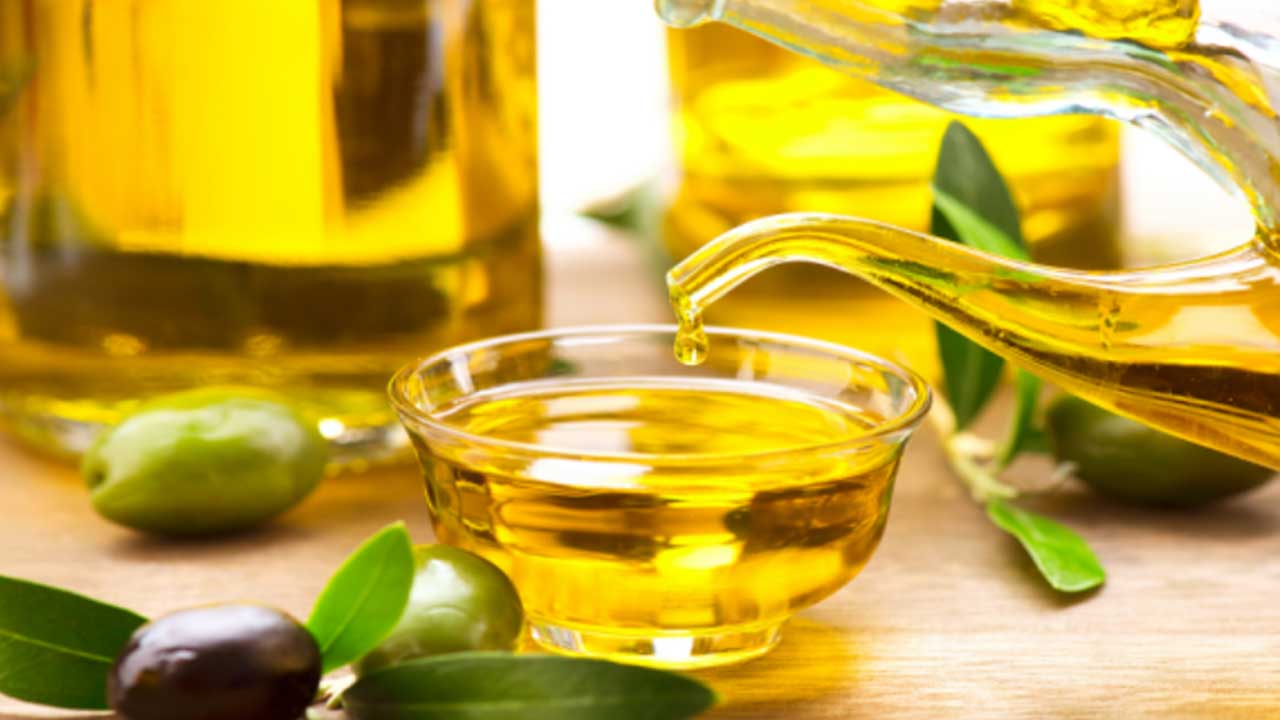
 You may also need to change your cooking oil in the problem of acid reflux because many cooking oils contain fat and trans fat, which leads to the problem of acid reflux in the stomach, so natural and healthy cooking for health.




Acid reflux is a common digestive condition where stomach acid flows back into the food pipe, causing burning sensation, discomfort, and sometimes sour belching. This condition is closely linked to acidity in stomach, and it often worsens due to poor food choices, lifestyle habits, and even the type of oil used in cooking.
Many people focus only on what to eat during acid reflux, but they often ignore cooking oils. The truth is, oils play a major role in digestion. The wrong oil can trigger symptoms, while the right oil can help soothe the digestive system and even reduce stomach acid naturally.
In this detailed guide, you will learn:
-
The best oils for acid reflux
-
Foods to include and avoid
-
Practical tips for daily life
-
Real case studies and expert-backed insights
Why it matters
Acid reflux is not just a minor discomfort. If ignored, it can lead to long-term issues like inflammation of the food pipe, ulcers, and poor digestion.
Key Facts:
-
Around 20% of adults worldwide suffer from acid reflux regularly
-
In India, digestive issues are rising due to spicy, oily, and processed diets
-
Pregnant women commonly face reflux, raising concerns like heartburn pregnancy what to eat
Choosing the right cooking oil matters because:
-
Oils directly affect digestion speed
-
Heavy oils increase foods that trigger acid reflux
-
Light, healthy oils support gut health
Good vs Bad Oils for Acid Reflux
Best Oils for Acid Reflux
These oils are easier to digest and help in reducing symptoms:
1. Olive Oil
-
Rich in healthy fats
-
Reduces inflammation
-
Helps improve digestion
2. Coconut Oil (in moderation)
-
Contains medium-chain fats
-
Easier to digest
-
Supports gut lining
3. Mustard Oil
-
Common in Indian kitchens
-
Has anti-inflammatory properties
-
Good for light cooking
4. Avocado Oil
-
High in healthy fats
-
Supports digestive balance
👉 These are the most recommended oils for acid reflux because they do not overload the stomach.
Oils to Avoid
Refined Vegetable Oils
-
Highly processed
-
Hard to digest
Palm Oil
-
High in saturated fats
-
Can worsen acidity in stomach
Reused Cooking Oil
-
Produces harmful compounds
-
Increases foods that cause indigestion
Deep Frying Oils
-
Heavy and greasy
-
Among the worst foods for acid reflux triggers
What to Eat During Acid Reflux
Choosing the right foods is as important as selecting the right oil.
✅ Best Foods
-
Oatmeal
-
Bananas
-
Boiled vegetables
-
Lean proteins (chicken, fish)
-
Whole grains
If you are wondering during acidity what to eat, focus on:
-
Light, low-fat meals
-
Non-spicy foods
-
Easily digestible options
Foods to Avoid
These are the ten worst foods for acid reflux:
-
Fried foods
-
Spicy curries
-
Citrus fruits
-
Tomatoes
-
Chocolate
-
Coffee
-
Carbonated drinks
-
Alcohol
-
Processed snacks
-
High-fat dairy
These are also common foods that trigger acid reflux and should be minimized.
Special Section: Pregnancy & Acid Reflux
Pregnancy Diet & Heartburn
During pregnancy, hormonal changes slow digestion, leading to frequent heartburn.
What helps?
-
Eat small meals
-
Avoid lying down after eating
-
Use mild oils like olive oil
Recommended Foods
If you are searching for:
-
pregnancy heartburn what to eat
-
heartburn pregnancy what to eat
Choose:
-
Yogurt
-
Oatmeal
-
Fruits like banana
-
Boiled vegetables
Drinks
For what can i drink for heartburn during pregnancy:
-
Warm water
-
Coconut water
-
Herbal teas (doctor-approved)
Benefits of Choosing the Right Oil
Using the right cooking oil provides multiple health benefits:
Improves digestion
Light oils reduce burden on the stomach
Reduces acid reflux symptoms
Helps control acidity in stomach
Supports gut health
Prevents irritation of digestive lining
Helps maintain weight
Less fat accumulation = fewer reflux triggers
Prevents indigestion
Reduces foods that cause indigestion impact
📊 Comparison Table: Good vs Bad Oils
| Feature | Good Oils (Olive, Coconut) | Bad Oils (Refined, Palm) |
|---|---|---|
| Digestion | Easy | Heavy |
| Acid reflux impact | Reduces symptoms | Triggers reflux |
| Nutritional value | High | Low |
| Cooking suitability | Light cooking | Deep frying |
Step-by-Step Tips to Reduce Acid Reflux
Daily Routine
-
Start your day with warm water
-
Eat smaller meals every 3–4 hours
-
Avoid late-night eating
Cooking Tips
-
Use minimal oil
-
Avoid deep frying
-
Prefer steaming, boiling, grilling
Lifestyle Tips
-
Maintain healthy weight
-
Sleep with head elevated
-
Avoid tight clothing
These habits help reduce stomach acid naturally.
Mistakes to Avoid
Using too much oil
Eating large meals
Ignoring trigger foods
Drinking too much caffeine
Lying down immediately after eating
These mistakes increase heartburn foods to avoid risks.
Case Studies
1: Office Worker (Age 30)
-
Problem: Daily acid reflux due to fried food
-
Change: Switched to olive oil and home-cooked meals
-
Result: Symptoms reduced in 2 weeks
2: Pregnant Woman (Age 28)
-
Problem: Severe heartburn
-
Change: Ate small meals, avoided spicy food
-
Result: Improved digestion and better sleep
3: Fitness Enthusiast
-
Problem: High protein + oily diet causing reflux
-
Change: Reduced oil intake, added fiber
-
Result: Balanced digestion and no reflux
Conclusion
Choosing the right oil is a simple but powerful step in managing acid reflux. If you often struggle with acidity in stomach, your cooking habits might be the hidden cause.
By selecting the right oils for acid reflux, avoiding trigger foods, and following a balanced diet, you can significantly improve your digestive health.
Remember:
-
Focus on light, healthy oils
-
Avoid greasy and processed foods
-
Follow mindful eating habits
If you still wonder Which Cooking Oil should I Use In Acid Reflux?, the answer is simple:
👉 Choose oils that are light, natural, and easy to digest—like olive oil or coconut oil—and use them in moderation.





.jpeg)








.jpg)
.jpg)
.jpg)
.jpg)
.jpg)
.jpg)


.jpg)
.jpg)
.jpg)