Tuesday, October 06, 2026
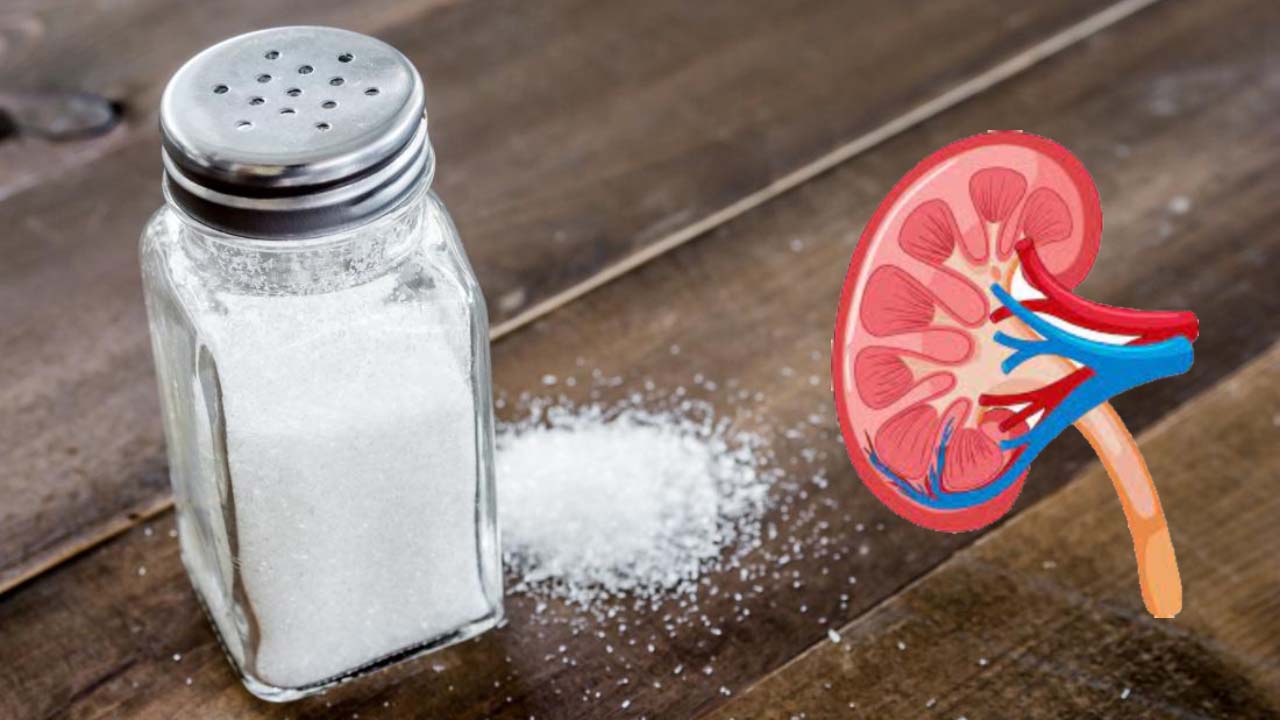
 Patients with kidney issues need to be cautious about the type of salt they consume. Let us check out which type of salt a kidney patient can consume.




Salt adds some essence to the food. And let us not forget the namkeens which are one of our favorite snacks. Moreover, these days people are heading towards diet food which also has some added salt to some extent. Before you hop, skip and jump to grab your favorite snack, it is important to check the type of salt you are consuming. Along with this, it is important to check the major impacts of salt on the body. This implies to patients who suffer from kidney problems.
This blog is specifically for those people who are battling kidney issues.
How does salt impact your kidney?
Your blood volume and blood pressure can increase when you consume too much sodium in your diet. Your chance of developing serious kidney illness along with heart disease and stroke might be increased persistently with high blood pressure due to high salt consumption.
Which salt is best for kidney disease?
It has been proven as per research that Sendha Namak is best suited for patients suffering from kidney disease. Do you know why? Well, it is important to keep your salt intake under check, if you have kidney disease. This is because too much salt consumption can directly impact your blood pressure to rise up high and can harm the kidneys. But, if you are craving a pinch of salt - here is some good news for you! Switch to rock salt or Sendha Namak which has low sodium content and less potential to harm the kidneys.
Moreover, Sendha Namak, or rock salt, has traces of some essential minerals which are good for the body such as iron, copper, zinc, manganese, copper, and nickel.
Also, it has been proven that patients taking a dose of baking soda will slow down the decline in kidney function which lowers the chances of end-stage renal disease.
Patients taking sodium bicarbonate (baking soda) feel improvement in several measures of nutrition. Low bicarbonate levels in patients with kidney disease can lead to other health problems. Simple solution- Sodium bicarbonate (baking soda) when used appropriately can be very effective for overall health.
Renal diet
Patients with kidney disease must adhere to the renal diet to cut down the amount of waste in the blood. When the kidney function is compromised, the kidneys do not filter or remove waste properly. If the waste is left in the bloodstream, it can negatively affect the patient’s electrolyte levels. Following a renal diet might also help to promote kidney function and slow the progression of complete renal failure.





.jpeg)
.jpg)
.jpg)
.jpg)
.jpg)
.jpg)
.jpg)


.jpg)
.jpg)
.jpg)
.jpg)
.jpg)
.jpg)