 Monday, October 05, 2026
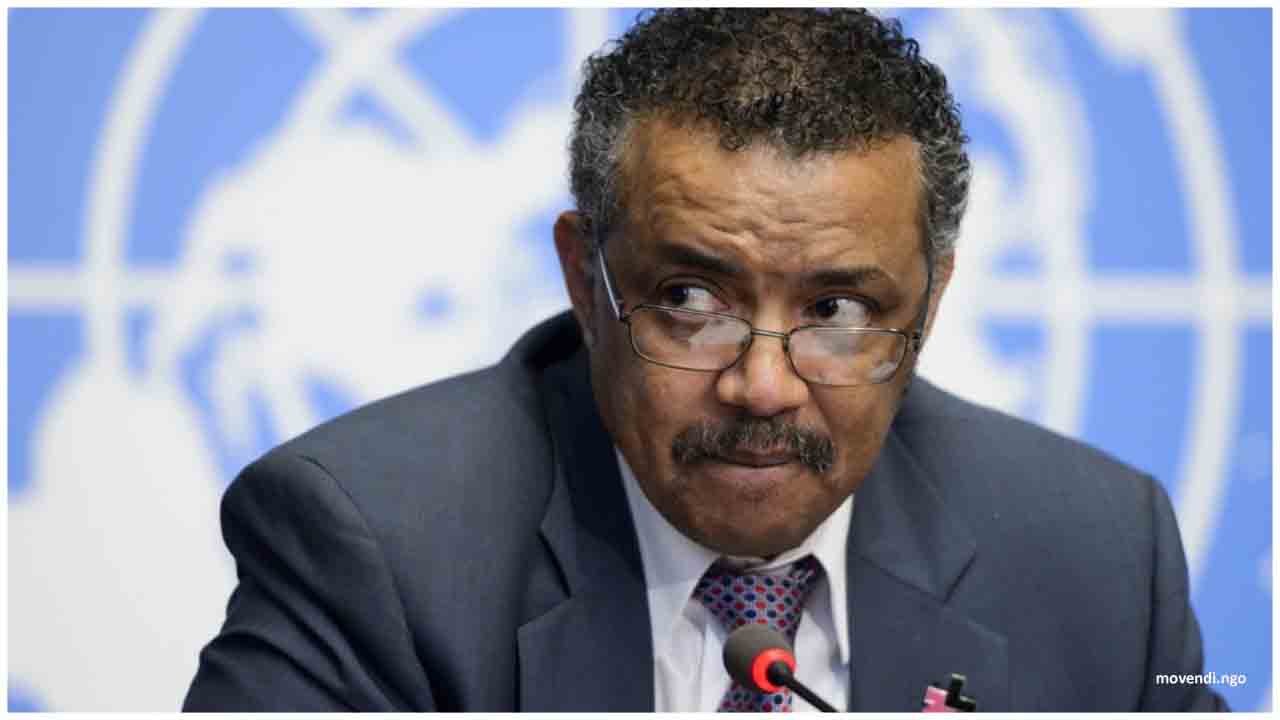
 WHO Director-General Tedros Adhanom Ghebreyesus also said that the Covid-19 pandemic has underscored the urgency of addressing non-communicable diseases




Tedros Adhanom Ghebreyesus, Director-General of the World Health Organisation (WHO) called lockdowns "a blunt instrument" on Friday. He went on to add that further nationwide lockdowns can be avoided with the right mix of targeted and tailored measures.
"Several countries are using a data-driven approach to drive a targeted response," Ghebreyesus said adding that non-communicable diseases and their risk factors are increasing vulnerability to Covid-19 infection.
Addressing a virtual media briefing, the WHO Director-General also stated how the pandemic has underscored the urgency of addressing non-communicable diseases and their risk factors. "Finding effective therapeutics for these patients is a high priority," he reiterated.
The World Health Organisation has issued a new set of guidelines on the use of corticosteroids to treat patients infected with severe Covid-19. It has also recommended the use of corticosteroids only in the case of patients who are severely or critically ill.
During the briefing, Ghebreyesus also talked about a vaccine strategy. He said, "If and when we have an effective vaccine, we must also use it effectively.
Initially, when supply is limited, priority must be given to vaccinating essential workers and those most at risk. In other words, vaccinating some people in all countries, rather than all people in some countries. I will repeat again: vaccine nationalism will prolong the pandemic, not shorten it."
"We are delighted that 78 high and upper-middle countries and economies have now confirmed they will participate in the COVAX facility, and the number is growing. I urge those who have not yet joined to do so by September 18," WHO Director-General Tedros Adhanom Ghebreyesus said.





.jpeg)
.jpg)
.jpg)
.jpg)
.jpg)
.jpg)
.jpg)








.jpeg)

.jpeg)


.png)