 Saturday, October 10, 2026
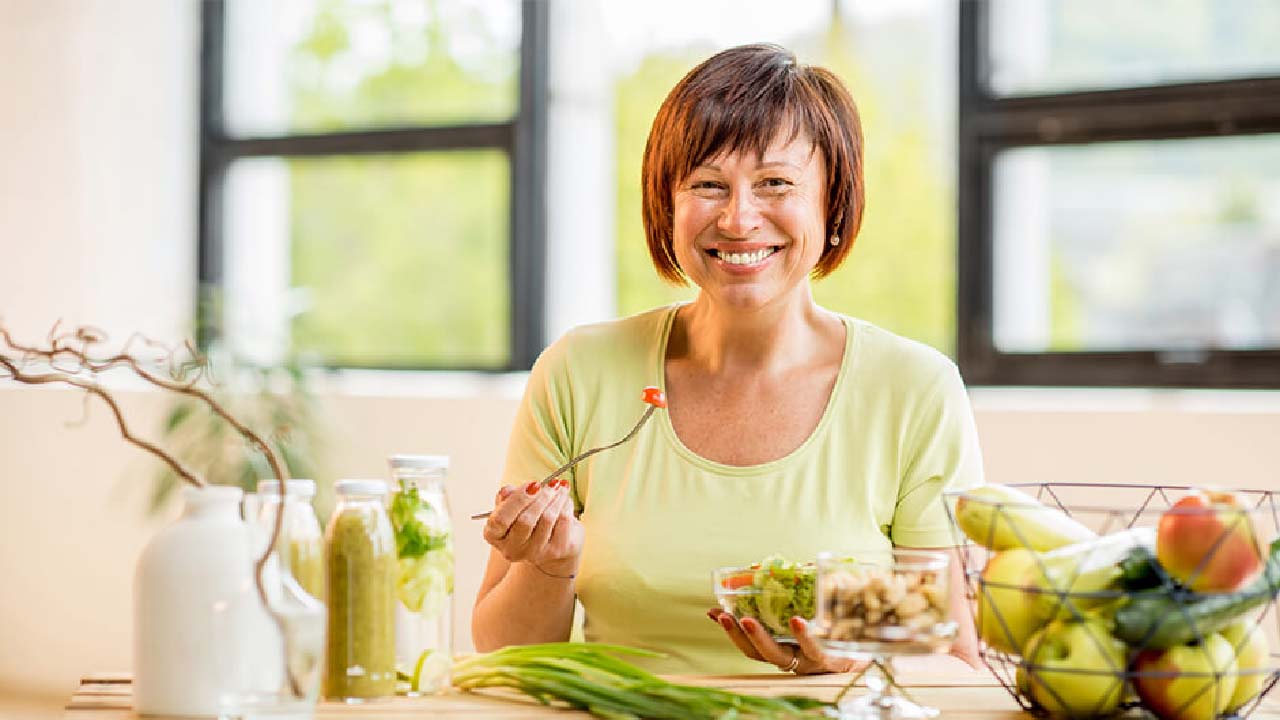
 The body’s requirement changes as you age. Thus, you need to change your diet accordingly to fulfill your body’s needs. Look at these tips that can help in getting the right nutrients for the body.





As you age, eating the right food becomes even more important to avoid disease conditions. Especially in the case of women, as their bodies get through several physiological and hormonal changes throughout their lifespan.
Three important nutrients that can help to fight off changes caused by aging are -
Calcium for bone health – The risk of developing a bone disease, especially osteoporosis increases with age. In fact, 1 in 3 women over 50 is at risk of bone break caused by osteoporosis. Women are more likely to develop osteoporosis than men. It affects men, but not at such high rates.
As the women age, they absorb less calcium, and their ability to tolerate dairy products decreases. Hence it becomes necessary to include calcium-rich sources in our diet. Dark green leafy vegetables and calcium-fortified orange juice can be great sources of calcium. Women over 50 required 1200 milligrams of calcium daily.
Protein for healthy muscle mass – As we age, we tend to get physically inactive. Being physically inactive further results in loss of mass, a natural aging process called sarcopenia. By the age of 80 years, a woman might lose half of their skeletal muscle mass. Consuming adequate protein through the diet may compensate for muscle wasting. Non-vegetarian is not the only source of protein, you can get protein from healthy plant-based foods also. This can provide enough protein that a body needs a day. The amount of protein your body needs very much depends upon your body weight. For women over 50, experts recommend 1-1.5 gms of protein per kilogram of weight. For example, if you weigh 60 kilos, 80-90 grams of protein your body needs.
Vitamin B12 – As we age, the body absorbs fewer nutrients from the food. Vitamin B12 is the key nutrient that is essential for maintaining both healthy red blood cells and brain function. The best sources of vitamin B12 are eggs, milk, lean meats, fish, and fortified foods like cereals and grains. Vegans need to be particular about the foods they eat. People who eat everything, even find it difficult to absorb vitamin B12 from food. The recommended daily intake of vitamin B-12 for women over 50 is 2.4 micrograms a day. Women can consult doctors and can ask for any supplements.
Tips to maintain the right diet
- Make whole grains, fruits, and veggies the foundation of your diet.
- Always carry a water bottle with you. Drink even if you don’t feel thirsty.
- Plan and eat. This way you will definitely end up eating the required healthy foods.
(Disclaimer: The content on this site is for informational purposes only, and should not be taken as professional medical advice. Always seek the guidance of your doctor or other health professionals for any questions you may have regarding your health or a medical condition.)





.jpeg)










.jpg)
.jpg)
.jpg)
.jpg)
.jpg)
.jpg)


.jpg)