 Monday, October 05, 2026
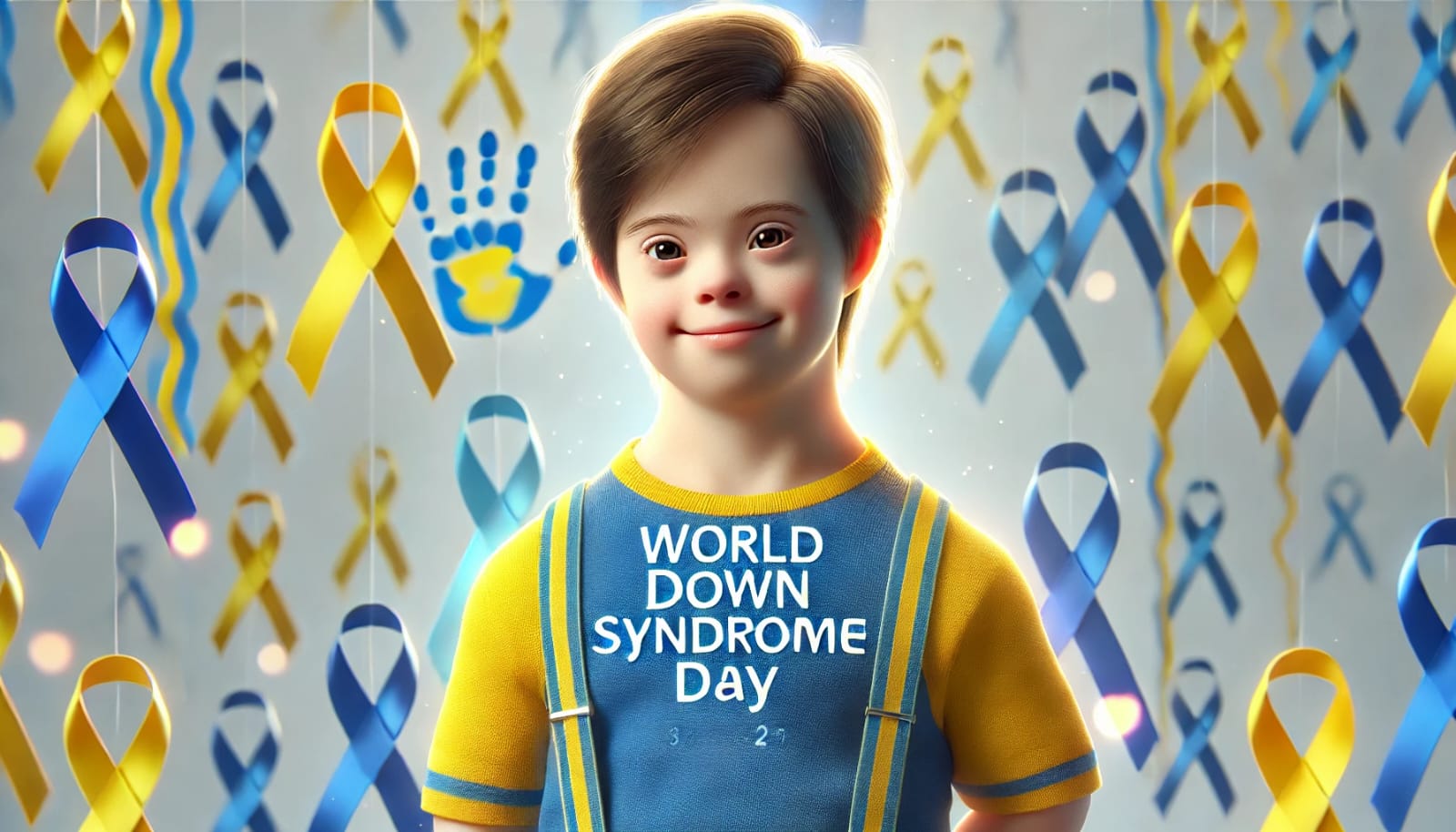
 Let’s go beyond awareness let’s work toward action, acceptance, and empowerment. Because every life is valuable, and every individual deserves love, respect, and opportunity.




Every year on March 21, the world comes together to observe World Down Syndrome Day (WDSD) a day dedicated to raising awareness about Down syndrome, promoting inclusion, and advocating for the rights of individuals with this genetic condition. But why is this day significant? Why was March 21 chosen? And more importantly, how does it relate to India, where awareness about disabilities is still evolving?
Lets explore the history, significance, and challenges faced by individuals with Down syndrome in India, and why this day is more important than ever.
Before diving into the significance of WDSD, it’s crucial to understand what Down syndrome is. It is a genetic condition caused by the presence of an extra chromosome 21. This additional genetic material affects a person’s physical and cognitive development, leading to distinct facial features, intellectual disabilities, and some health complications.
However, despite these challenges, individuals with Down syndrome can lead fulfilling lives when given the right support, education, and opportunities. This is where World Down Syndrome Day plays a critical role it helps break stereotypes, spread awareness, and promote inclusivity.
Why is World Down Syndrome Day Celebrated on March 21?
The date March 21 (21/3) holds a special significance. It symbolizes Trisomy 21, the genetic occurrence that causes Down syndrome where there are three copies of chromosome 21 instead of the usual two. This simple yet powerful representation highlights the very essence of the condition and serves as a global reminder to recognize and support individuals with Down syndrome.
The Importance of World Down Syndrome Day
1. Spreading Awareness: One of the primary goals of WDSD is to educate people about Down syndrome, dispelling myths and misconceptions. Many still view it as a disease, but it is a naturally occurring genetic condition.
2. Fostering Inclusion: People with Down syndrome often face discrimination and social isolation. WDSD emphasizes equal rights, opportunities, and dignity for them.
3. Encouraging Policy Changes: Advocates and organizations use this day to push for better healthcare, education, and employment opportunities for individuals with Down syndrome.
4. Celebrating Achievements: WDSD is also a day to celebrate the successes of individuals with Down syndrome, showing the world that they can excel in academics, sports, arts, and even the workforce.
In India, awareness about Down syndrome is still limited, and societal perceptions often make life difficult for individuals with the condition. While there has been progress, challenges remain in key areas:
1. Lack of Early Diagnosis: Many cases of Down syndrome in India go undiagnosed due to lack of awareness and medical resources. In rural areas, expectant mothers often don’t have access to prenatal screening, leading to late or no diagnosis.
2. Limited Access to Education: Children with Down syndrome struggle to find inclusive schools that accommodate their learning needs. Special education is still not widely available, and many parents face difficulties in securing proper schooling for their children.
3. Healthcare Challenges: Individuals with Down syndrome often have heart defects, vision and hearing impairments, thyroid issues, and other health complications. While medical advancements have improved their life expectancy, quality healthcare remains inaccessible to many, particularly in small towns and villages.
4. Stigma and Social Discrimination: In India, people with disabilities are often marginalized, and Down syndrome is no exception. Social stigma, lack of acceptance, and ignorance lead to discrimination in schools, workplaces, and even families.
5. Employment Struggles: Finding jobs remains one of the biggest challenges for individuals with Down syndrome in India. While some companies are making efforts toward inclusive hiring, the overall employment rate for people with disabilities is still alarmingly low.
India has taken some steps toward improving the lives of individuals with Down syndrome, but there is still a long way to go. Here’s what needs to change:
1. Better Awareness Campaigns: Government and private organizations must educate people about Down syndrome through media, social campaigns, and school curriculums. The more people know, the more inclusive society will become.
2. Strengthening Healthcare Facilities: Early detection, genetic counseling, and specialized healthcare must be made affordable and accessible, especially in rural areas.
3. Inclusive Education: Schools need to train teachers and modify curriculums to support children with Down syndrome. Every child deserves the right to quality education.
4. Vocational Training and Employment: Companies should be encouraged to hire individuals with Down syndrome, offering them skill-based training and workplace accommodations.
5. Changing Mindsets: Above all, societal attitudes need to shift. Families should support their children, schools should embrace them, and employers should empower them.
Despite the challenges, many Indian individuals with Down syndrome have achieved incredible milestones. Here are a few inspiring examples:
1. Ranveer Singh Saini – Golfer with a World Record
Ranveer Singh Saini became the first Indian with Down syndrome to win a gold medal at the Special Olympics World Games in golf. His achievement proved that individuals with Down syndrome can excel in sports with the right support.
2. Pranav Bakshi – India’s First Model with Down Syndrome
Pranav Bakshi broke stereotypes by becoming India’s first model with Down syndrome, walking the ramp for major brands and redefining beauty standards.
3. Bhavna – Cafe Owner with a Purpose
Bhavna, a young woman with Down syndrome, runs her own café in Mumbai, proving that individuals with disabilities can be independent entrepreneurs.
Celebrating World Down Syndrome Day is not just about acknowledging the day it’s about taking action to build a more inclusive world. Here’s how you can contribute:
Wear mismatched socks: A global tradition to celebrate differences and spread awareness.
Educate yourself and others: Share information, break stereotypes, and talk about Down syndrome in your community.
Support inclusive businesses: Many cafes, shops, and workplaces employ individuals with Down syndrome, choose to support them.
Volunteer: Join NGOs and organizations that work towards better education and employment for people with Down syndrome.
Advocate for policy change: Push for better laws and government support for individuals with disabilities.
World Down Syndrome Day is not just a day it’s a movement toward a more inclusive, understanding, and accepting society. In India, while progress is slow, the change has begun. Awareness is growing, opportunities are Increasing, and mindsets are evolving.
But there is still a lot to do. Every person, whether a policymaker, educator, employer, or neighbour, can play a role in creating a world where individuals with Down syndrome are not just accepted but celebrated.
This March 21, let’s go beyond awareness let’s work toward action, acceptance, and empowerment. Because every life is valuable, and every individual deserves love, respect, and opportunity.





.jpeg)
.jpg)
.jpg)
.jpg)
.jpg)
.jpg)
.jpg)

.jpeg)
.jpeg)
.png)