 Wednesday, October 28, 2026
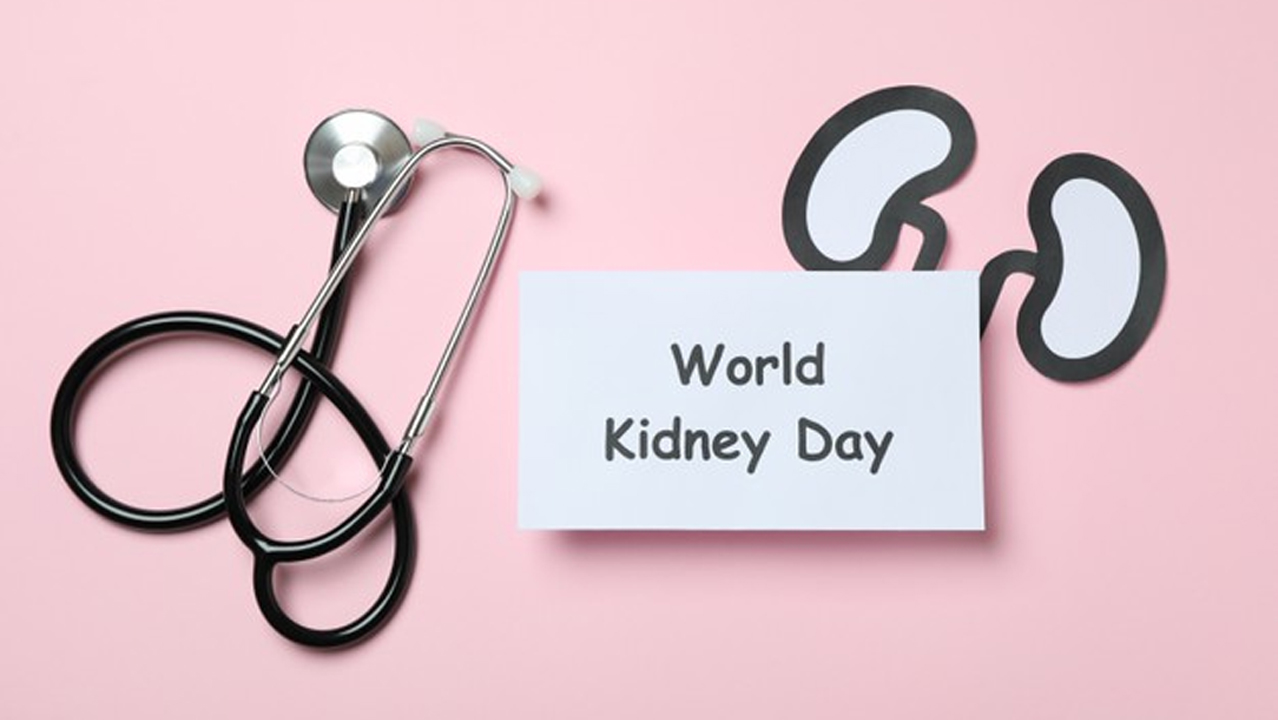
 When people get diagnosed with disease in the kidney; life becomes challenging. Both the personal as well as professional life gets affected. It is advisable to keep kidney safe by good health practices.




The kidney is a vital body organ that removes wastes and extra water in the form of urine from our body. As we know it’s the two-bean-shaped organ just below our rib cage and is very significant for the normal functioning of our body. If disease develops in the kidneys, depending upon the severity some people are not even able to walk normally. Other side-effects are pain, fatigue, gastrointestinal problems, depression, sleep problems, cognitive impairment and of course monetary challenges to get treated.
Theme of World Kidney Day and Its Significance
The theme of World Kidney Day 2021 is “Living Well with Kidney Disease”. The World Kidney Day Steering Committee has set up this theme with the aim of patient empowerment, symptom management, and awareness about how to lead a better life after being diagnosed with any form of kidney disease. It is very important amongst the masses to be aware of kidney disease symptoms and preventive measures to keep the kidneys in good condition always. Also, people need to understand that even the most severe kidney conditions are manageable with dialysis and kidney transplantation. The caregivers who are mostly the family members should also be empowered with correct knowledge and support so that they stay positive and help people suffering from kidney diseases lead a positive life.
Keep Kidney Healthy
- Work towards avoiding of development of ailments like diabetes and high blood pressure. If you have a family history of kidney disease, then be extra careful. Annual health check-ups help in maintaining the overall health of individuals.
- If you are experiencing infection in the urinary tract, ensure to get treated by your doctor as early as possible as it may lead to kidney damage.
- Reduce salt and sugar intake. We should take not more than 2,300 milligrams of sodium in a day. The percentage of calories that your body gets in the entire day should not be more than 10% from sugar.
- Your plate should be full of healthy food items like fresh fruits and vegetables, brown rice, and fewer fried items. Snacking on junk food items can be replaced with home-made low-calorie snacks or fruits.
- Make changes in how you look at your health. If you have not been exercising, make it a part of your routine and do not skip it, come what may. Similarly, make a note of what you eat every day and assess your food choices by the end of the week to understand where you are going wrong. Make a healthier food plan for the next week and you will yourself find the difference in how good you feel.
- Sleep is important too. Nourish your body with good sleep. All your vital organs would have a better functioning this way.
- Avoid smoking and reduce alcohol intake. This is something that we know but find hard to implement. Be mindful of your body and implement these vital changes.
- If you have chronic diseases, go for regular check-ups and keep track of whether other body organs are getting affected by it and if yes, then consult the relevant specialist for treatment.
If you develop any symptoms of kidney disease like fatigue, low energy, anaemia, sleep disturbances, itchy skin, dry skin, a tendency to pass urine very often, foamy urine, blood in urine, swollen feet and ankles, puffiness around eyes, etc. the first thing you need to do is to visit a doctor. The entire month of March is considered the month of kidney awareness. However, the preventive good health practices should continue month after month so that your kidney always functions well and you do not develop any ailment related to it.




-23-300x250.png)

.jpeg)








.jpg)
.jpg)
.jpg)
.jpg)
.jpg)
.jpg)
.jpg)
.jpg)
.jpg)

