 Sunday, October 11, 2026
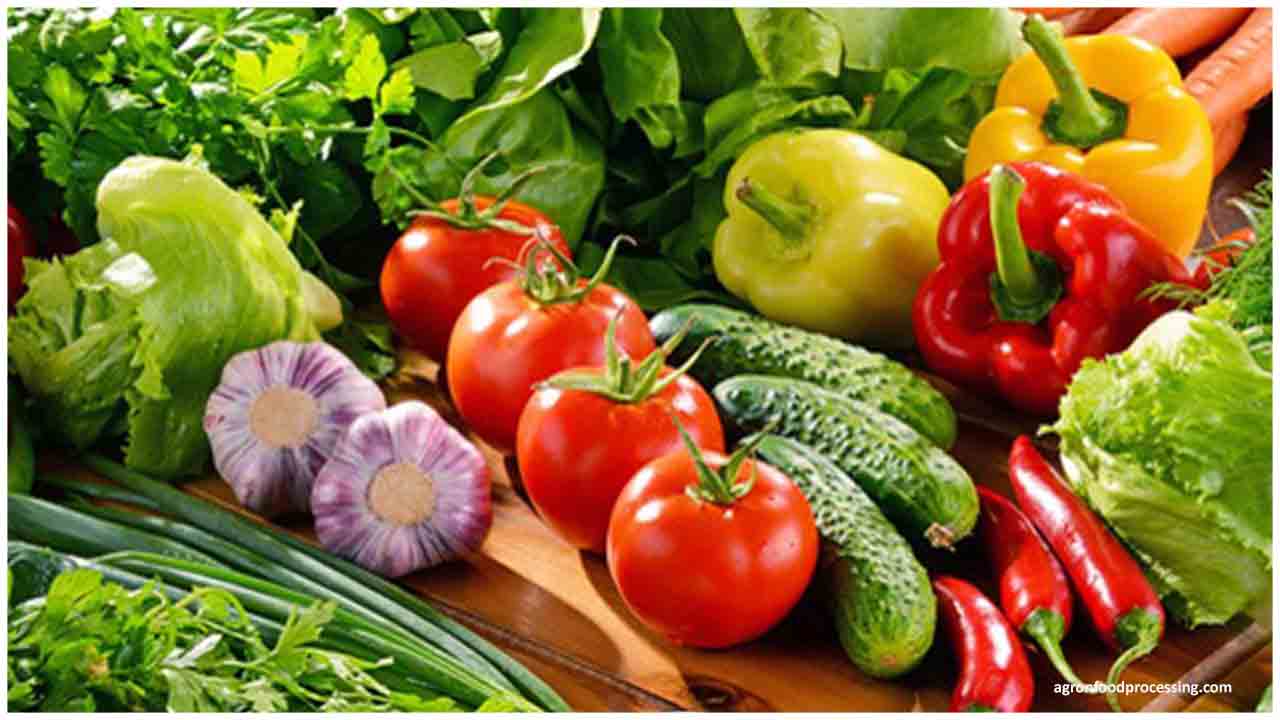
 Use our guide to make the healthiest choices for your family. Then find out which organic foods you should buy to avoid pesticide residues




The natural food business is blasting: About 70 percent of Americans purchase natural food infrequently, and almost one quarter get it consistently, as indicated by the Hartman Group, a statistical surveying firm. For a large portion of us, the explanation is basic: We need characteristic food that is better for us and for the earth, says Samuel Fromartz, creator of Organic, Inc. Be that as it may, purchasing natural can cost you — as much as 50 percent more — so read on to realize when it's justified, despite all the trouble.
What is a natural food, in any case?
In spite of the fact that natural food can be created with certain engineered fixings, it must stick to explicit principles controlled by the United States Department of Agriculture (USDA). Yields are commonly developed without manufactured pesticides, counterfeit manures, light (a type of radiation used to eliminate microscopic organisms), or biotechnology. Animals on natural ranches eat naturally developed feed, aren't restricted 100 percent of the time (as they some of the time are on customary homesteads), and are raised without anti-infection agents or engineered development hormones.
Is natural food better for me?
Natural nourishments may have higher health benefits than traditional food, as indicated by some examination. The explanation: without pesticides and manures, plants support their creation of the phytochemicals (nutrients and cancer prevention agents) that reinforce their protection from bugs and weeds. A few investigations have connected pesticides in our food to everything from cerebral pains to disease to birth abandons — however, numerous specialists keep up that the levels in customary food are ok for most solid grown-ups. Indeed, even low-level pesticide introduction, be that as it may, can be essentially increasingly harmful to babies and youngsters (because of their less-created safe frameworks) and for pregnant ladies (it puts included strain their as of now burdened organs), as indicated by a report by the National Academy of Sciences.
Pesticide defilement isn't as a very remarkable worry in meats and dairy items (animals may devour a few pesticides, contingent upon their eating regimen), yet numerous researchers are worried about the anti-infection agents being given to most livestock: Many are similar anti-toxins people depend on, and abuse of these medications has just empowered microscopic organisms to create protection from them, rendering them less viable in battling the disease, says Chuck Benbrook, Ph.D., a boss researcher at the Organic Center, a charitable examination association.
Is purchasing natural better for the earth?
Natural cultivating lessens toxins in groundwater and makes more extravagant soil that guides plant development while decreasing disintegration, as per the Organic Trade Association. It additionally diminishes pesticides that can wind up in your savoring glass; a few urban communities, pesticides in faucet water have been estimated at perilous levels for quite a long time at once, as indicated by an investigation performed by the Environmental Working Group (EWG). (To get some answers concerning the security of your faucet water, visit the EWG site.) Plus, natural cultivating utilized 50 percent less vitality than regular cultivating strategies in a single 15-year study.
When is it worth the lavish expenditure?
In the event that you can bear the cost of it, purchase neighborhood and natural, suggests Fromartz. Ranchers' business sectors convey sensibly evaluated privately developed natural and customary food; to discover one in your general vicinity, go to localharvest.org. In the event that you can't generally manage the cost of natural, do go through the additional cash with regards to what the EWG calls the "filthy dozen": peaches, strawberries, nectarines, apples, spinach, celery, pears, sweet chime peppers, fruits, potatoes, lettuce, and imported grapes. These delicate products of the soil frequently require more pesticides to ward off bugs contrasted with hardier produce, for example, asparagus and broccoli.
When looking for natural nourishments, consistently search for the USDA seal on any sort of bundled food. For meat and dairy, this seal guarantees you're getting anti-toxin and without hormone items. When purchasing meat or produce that isn't bundled, search for a sign expressing that it's natural, or ask the store representative.
Improves?
Any individual who cherishes natural food is going to state the taste is better than organic products or veggies that have been treated with pesticides — however, is it valid? As per a recent report distributed in the British Journal of Nutrition, the higher cancer prevention agent levels in natural products may really upgrade its organoleptic characteristics — a.k.a. its fragrance, taste, and even the sensation in your mouth as you're eating it.





.jpeg)










.jpg)
.jpg)
.jpg)
.jpg)
.jpg)
.jpg)


.jpg)