 Thursday, October 08, 2026
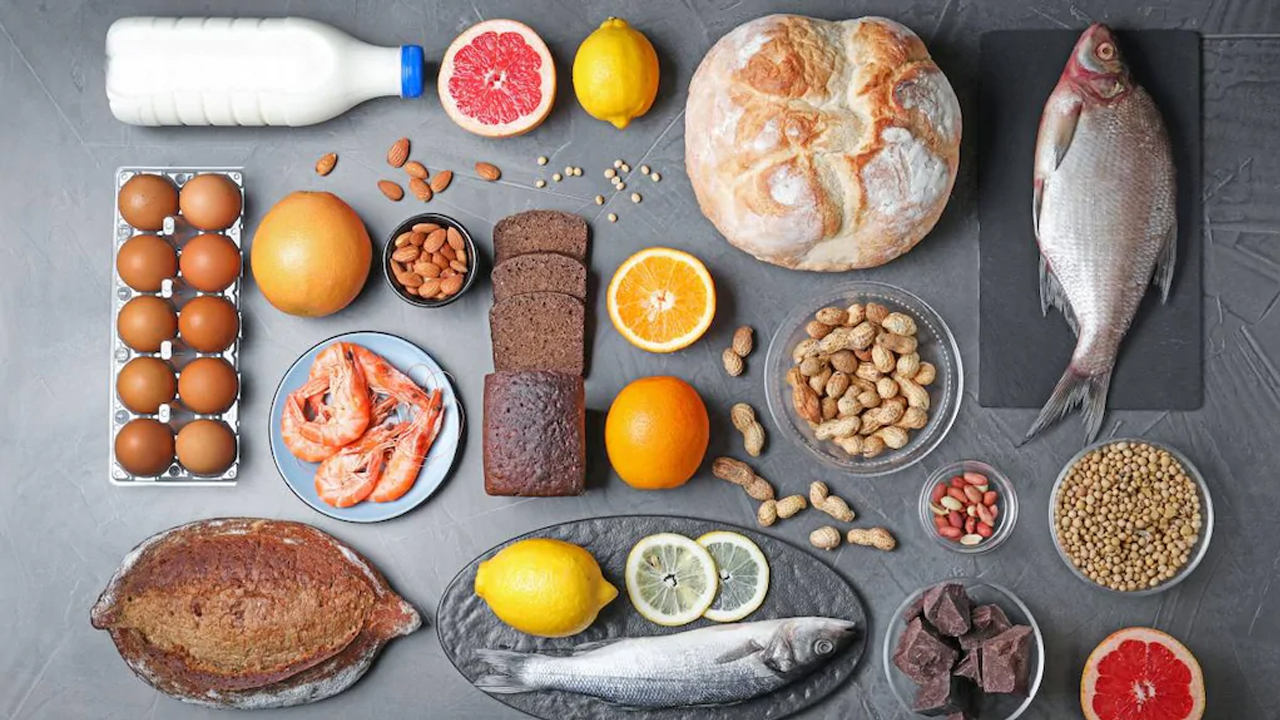
 If you already have the problem of itching and you consume such things that work to increase the allergy, then along with itching, you may see symptoms like burning, swelling, difficulty in breathing, vomiting etc. Next we will know what things you should avoid when itching occurs.




There is an allergy to eating many types of food, especially if you already have a complaint of skin diseases, rashes, irritation or inflammation, then you should avoid many foods, otherwise the problem may increase.
- Egg
If you have an itching problem then do not consume eggs, eggs can aggravate the problem of itching. Many children are allergic to eggs, especially if there is itching or skin rashes, then eggs should not be consumed. The body's immunity can react with the proteins found in eggs. If you consume eggs, you may have trouble breathing, bloating, and indigestion
- Fish
If you have a problem of itching, then avoid the consumption of fish, for many people, the problem of itching increases by consuming fish and there may be a problem of nausea, diarrhea, headache or runny nose, so you should not consume it. should do. People who have eczema disease have trouble consuming fish. If you have itching then you should not consume any type of fish.
- Wheat
If you have an itching problem then you should avoid consuming wheat. By consuming wheat, the body can react with the protein found in wheat. Wheat contains gluten, which can increase the problem of itching, so avoid its consumption. In case of itching, avoid consuming things made from wheat like bread, roti etc.
- Soy
Soybeans are used in baby foods or processed foods. Children are often allergic to this. If you start itching or burning after consuming soybean, then stop consuming it. Soybean should be avoided during the problem of itching. If you do not stop consuming certain things during itching, then itching or rashes may occur near the face and mouth.
- Peanuts
If you have an itching problem then you should not consume peanuts. During this, you should also avoid eating peanut oil or butter. Due to peanuts, you may have itching, swelling, problems with digestion, shortness of breath etc. Peanut mixture is also found in many types of cereals or chocolates, so avoid it too.
- Sesame seeds
If you have the problem of itching in the skin, then avoid the use of sesame. The problem of itching can increase due to mole. We use sesame by putting it in many medicines, cosmetic products, pastes, so avoid those things when itching occurs. Consuming sesame can increase the problem of rashes. Sesame is also present in the bread, naan, roti available in the market, so if you have a problem of itching then avoid consuming these things.
- Cashew
You should also avoid consuming treats. If you have an itching problem, then you should not consume cashew, almond, walnut etc., nor should you consume oil, butter, flour or milk made from them. People who are allergic to peanuts are also allergic to peanuts.
(Disclaimer: The content on this site is for informational purposes only, and should not be taken as professional medical advice. Always seek the guidance of your doctor or other health professionals for any questions you may have regarding your health or a medical condition.)





.jpeg)










.jpg)
.jpg)
.jpg)
.jpg)
.jpg)
.jpg)


.jpg)