 Thursday, October 08, 2026
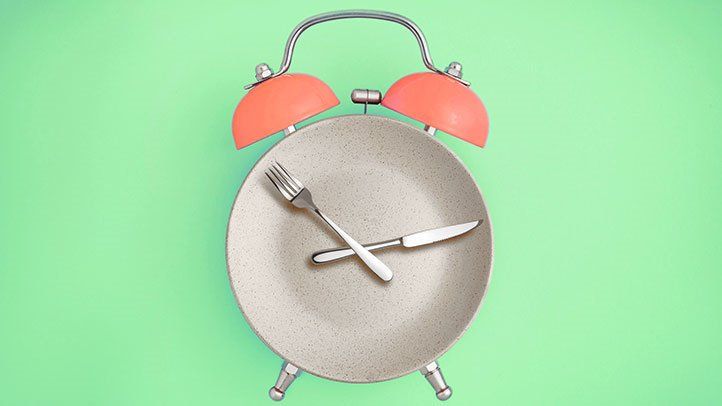
 Intermittent fasting is divided into two parts, the first part is of fasting and the second part is of eating. Know more about what to eat and what not to eat during fasting and eating periods.





What to eat during fasting
During 16 hours of fasting, you do not have to eat anything fasting period, you can only drink water. 16 8 In intermittent fasting, you may have some difficulty in the beginning but within a few days, your body will get used to it.
These things are also not to be eaten -
Tea Coffee Milk Fruit JuiceWhat to eat after intermittent fasting
After fasting you should first eat fruits or lightly boiled green vegetables. Very heavy food should be avoided immediately after fasting.
After one hour you can take your normal diet. Since you have 8 hours to eat, you should take 2 miles in these 8 hours. Also, you can take a short mile in between.
You can eat all these things -
Green vegetables Lentils White meat Fish Egg white Flour tortilla Rice Curd Fruit juiceWhat things should not be eaten -
Fried things Fast foods flour products Sweet thingsAdvantages of Intermittent Fasting –
Benefits of Intermittent Fasting for Weight LossIf you want to lose weight or do not want to allow your weight to increase, then you must do intermittent fasting from time to time.
Intermittent fasting for weight loss is the best way to lose weight. With the help of intermittent fasting, you can lose weight fast. Those who cannot go to the gym or who do not like to exercise can reduce their weight by sitting at home with the help of intermittent fasting.
Benefits of Intermittent Fasting to Detox the BodyIntermittent fasting also does the work of detoxifying the body, which removes all the toxic and harmful substances from the body. During intermittent fasting, you do not have to eat anything, only drink water, whereas after fasting you have to eat nutritious food, due to which the toxins stored in the body start coming out slowly.
Benefits of Intermittent Fasting for Skin and HairDue to the accumulated toxins in the body, the problem of acne, dryness, and hair loss starts increasing on the face. By doing intermittent fasting, the toxins accumulated in the body come out, due to which
Benefits of fasting for 16 hours for stomach related problemsIntermittent fasting benefits are also excellent for stomach and stomach-related problems like stomach gas, indigestion, constipation, stomach irritation, etc. Due to the relaxation of the digestive system and the inner parts of the stomach during fasting, these stomach problems start to go away.
Intermittent fasting is helpful in increasing immunityAnother benefit of intermittent fasting is that it increases immunity power. By increasing the immunity of the body, the body gets the power to fight diseases, due to which the body does not fall ill soon. Intermittent fasting has also been advised by many experts to increase immunity after covid-19.
Intermittent fasting increases energy and stamina in the bodyIntermittent fasting not only reduces body weight but also increases energy and stamina in the body. By increasing stamina in the body, you can do any work for a long time without getting tired.





.jpeg)










.jpg)
.jpg)
.jpg)
.jpg)
.jpg)
.jpg)


.jpg)