Best salt to consume


Deprecated: strlen(): Passing null to parameter #1 ($string) of type string is deprecated in /home/medicircle/public_html/script_newsdetails.php on line 75
As salt can enhance the flavour of the food, it can also enhance your health. Here’s a quick guide to help you choose the right salt.


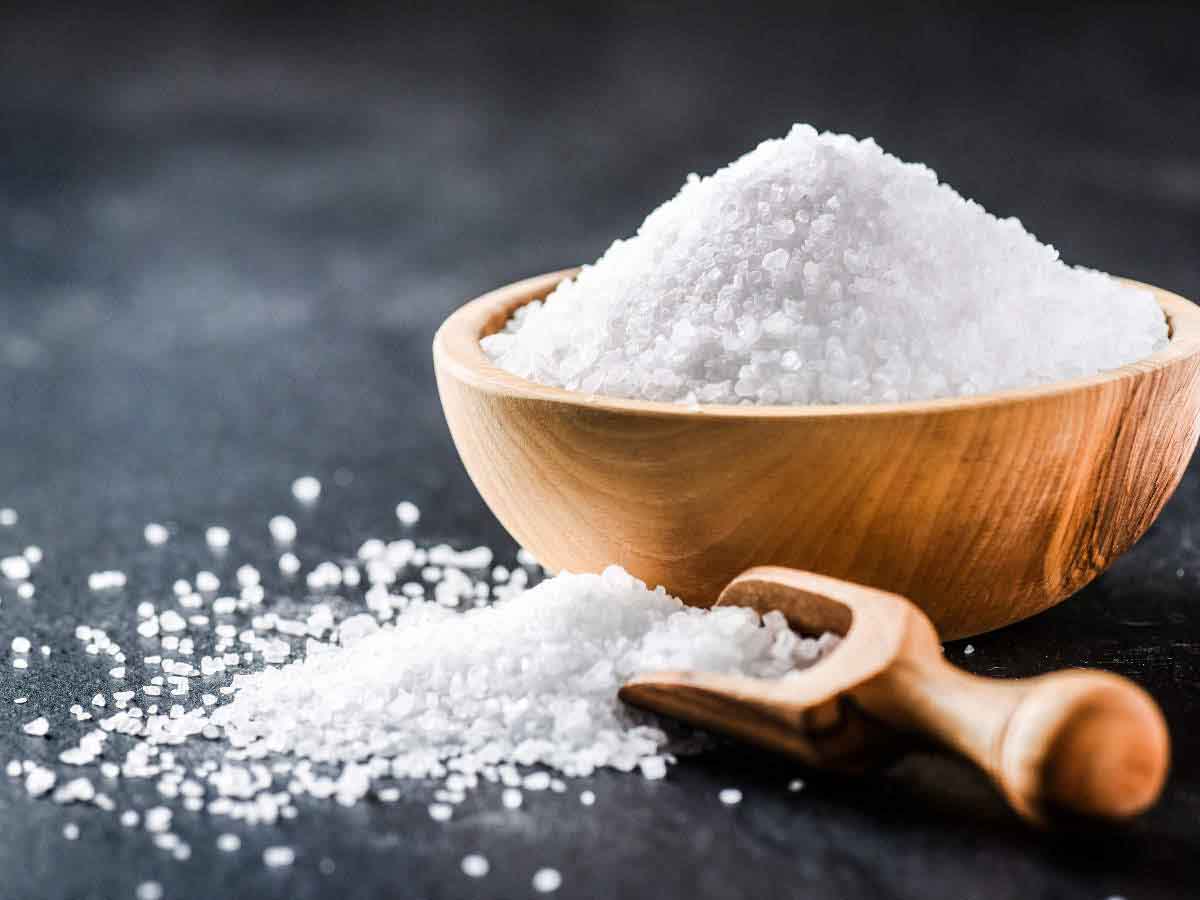
Salt is an essential part of our diet and health. As salt can enhance the flavour of the food, it can also enhance your health. Our daily intake of salt should be around 2300 mg per day or roughly 1 teaspoon a day. If you have paid closer attention to our grocery aisle then there are numerous types of salts. The natural question arises which salt to consume. Here’s a quick guide to help you choose the right salt.

Table Salt

Table salt is the widely available salt in the Indian market. This is inexpensive and can last even in humid weather. It is free-flowing and has anti-caking properties. Of all the salts, table salt has the highest sodium content. It is mixed with iodine to reduce iodine deficiency. 

Sea Salt

Contrary to popular belief, sea salt comes with iodine. Since it is raw and in its natural form it can contain impurities and dust. Yet it is the purest form of salt one can avail. It has anti-inflammatory properties and can help people suffering from arthritis. It can also be an immune-boosting agent. 

Rock Salt

Rock salt (or black salt or sendha namak) is highly advertised by Ayurveda for its therapeutic elements. Using this salt can help you solve your digestive problems, eliminate bloating and relieve flatulence. 

At the end of the day, salt is salt. For a healthier diet make a promise to never sprinkle extra salt on top of food. Instead use other herbs and spices. This will help you reduce salt consumption and help you experience enhanced flavour.


Tags : #salt #bestsalt #TableSalt #SeaSalt #RockSalt #BlackSalt #smitakumar #medicircle

Related Stories

Loading Please wait...

-Advertisements-


Trending Now

Menopause Symptoms Explained: What Every Indian Woman Should KnowJuly 25, 2026
Sleep Deprivation and Its Hidden Impact on Your Health: What Every Indian Should KnowJuly 25, 2026
Air Pollution and Health Effects: What Every Indian Must KnowJuly 25, 2026
NABH Accreditation Explained: What It Means for Indian Hospitals and PatientsJuly 25, 2026
The ePlane Company and Apollo Hospitals Join Forces to Bring India's Golden Hour Within ReachJuly 23, 2026
Importance of Women's Health Screening: A Comprehensive Guide to Preventive CareJuly 23, 2026
Can Diabetes Be Reversed? What Indian Patients Need to KnowJuly 23, 2026
Heart Attack vs. Cardiac Arrest: Key Differences Every Indian Should KnowJuly 23, 2026
Hepatitis B and C: Understanding Transmission, Testing, and TreatmentJuly 23, 2026
The Digitization of Care: How Healthtech and Digital Self-Management Tools are Transforming Patient OutcomesJuly 22, 2026
Telemedicine Ethics: Maintaining Patient Privacy and Clinical Quality in Virtual ConsultationsJuly 22, 2026
Diabetes Complications Explained: Causes, Warning Signs, and Prevention for Indian PatientsJuly 22, 2026
Exercise and Heart Health: Understanding the Vital Connection for Indian ReadersJuly 22, 2026
pediatric-nutrition-essential-vitamins-for-school-going-childrenJuly 22, 2026
Monsoon Health: Preventing Waterborne Diseases in Your FamilyJuly 22, 2026
Best Foods for Heart Health: A Practical Guide for Indian DietsJuly 21, 2026
Diabetes Diet Guide: A Complete Approach to Eating Well with DiabetesJuly 21, 2026
Understanding ECG Reports: What Every Patient Should KnowJuly 21, 2026
What Happens During Surgery? A Complete Guide for Patients in IndiaJuly 21, 2026
Healthcare Trends in 2026: What India's Doctors, Hospitals, and Patients Need to KnowJuly 18, 2026