 Thursday, October 08, 2026
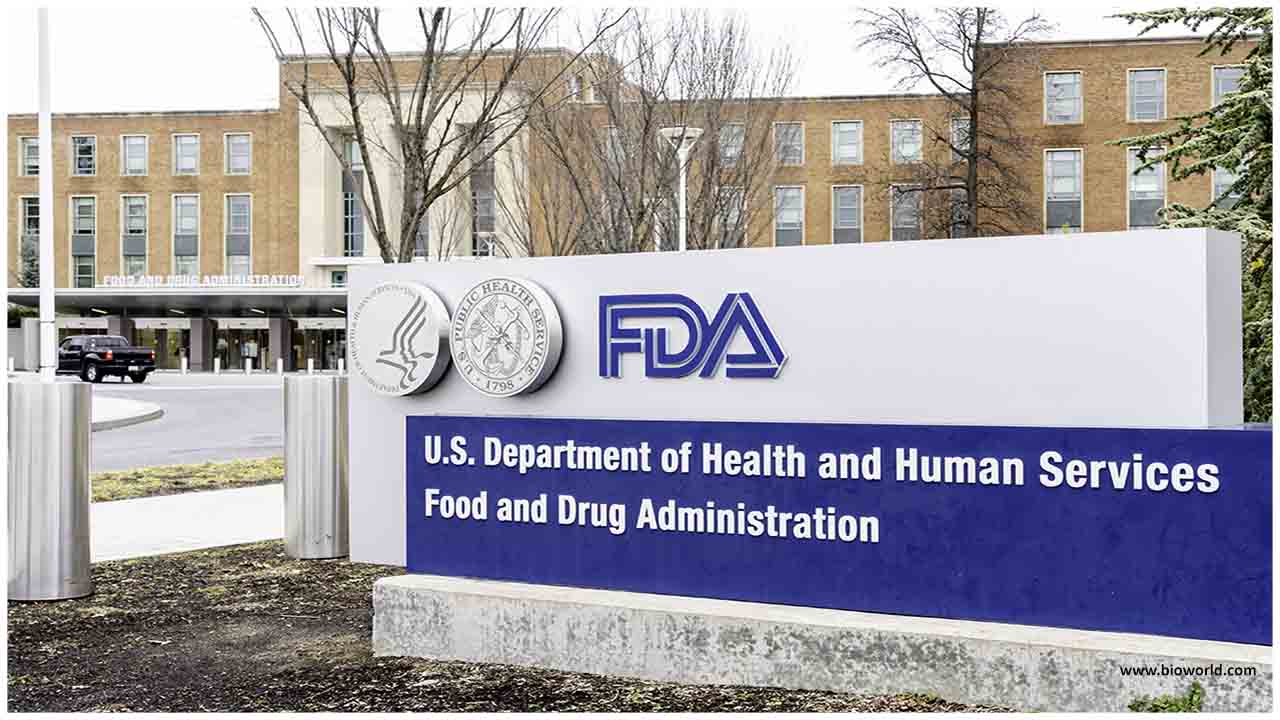
 Blood Plasma Therapy gets approval in US




The US Food and Drug Administration on Sunday issued an emergency use authorization for convalescent plasma to treat Covid-19, saying the "known and potential benefits of the product outweigh the known and potential risks of the product."
The FDA said more than 70,000 patients had been treated with convalescent plasma,which is made using the blood of people who have recovered from coronavirus infections.
"Today I am pleased to make a truly historic announcement in our battle against the China virus that will save countless lives," President Trump said at a White House briefing, referring to the coronavirus that causes Covid-19. "Today's action will dramatically increase access to this treatment."
Last week, Trump accused some health officials of playing politics regarding an EUA for convalescent plasma. When asked about the FDA not having granted an EUA, Trump said the reason was political.
On Sunday, a source who is close to the White House Coronavirus Task Force told CNN the FDA had reviewed additional data to inform its EUA decision. This official has not personally reviewed the data. They added the FDA is under no obligation to consult anyone outside the agency about its decision.
Convalescent plasma is taken from the blood of people who have recovered from Covid-19. At the end of March, the FDA set up a pathway for scientists to try convalescent plasma with patients and study its impact. It has already been used to treat more than 60,000 Covid-19 patients.
However, like blood, convalescent plasma is in limited supply and must come from donors. And while there are promising signals from some studies, there is not yet randomized clinical trial data on convalescent plasma to treat Covid-19. Some of those trials are underway.
Experts say more data is needed
US Health and Human Services Secretary Alex Azar said studies involving 70,000 volunteers justified the EUA.
"The data we gathered suggests that patients who were treated early in their disease course, within three days of being diagnosed, with plasma containing high levels of antibodies, benefited the most from treatment. We saw about a 35% better survival in the patients who benefited most from the treatment," Azar told the White House briefing.
"We dream in drug development of something like a 35% mortality reduction. This is a major advance in the treatment of patients. A major advance."
Azar appeared to be referring to a national study of 35,000 patients treated with convalescent plasma. The study, released August 12 in a pre-print, meaning it had not yet been peer-reviewed, showed that 8.7% of patients who were treated within three days of diagnosis died, compared to about 12% of patients who were treated four days or more after their diagnosis. That's about a difference of about 37%.
Those treated with plasma containing the highest levels of antibodies had a 35% lower risk of dying within a week compared to those treated with less-rich plasma.
But this is not how doctors usually measure the benefit of a treatment. The gold standard is a randomized, placebo-controlled clinical trial that means that doctors randomly choose who gets the treatment and who doesn't, so they can truly tell whether it's the treatment affecting survival and not something else. And the comparison is usually treated
"The problem is, we don't really have enough data to really understand how effective convalescent plasma is," Dr. Jonathan Reiner, a professor of medicine at George Washington University and a CNN medical analyst, said Sunday.
"While the data to date show some positive signals that convalescent plasma can be helpful in treating individuals with COVID-19, especially if given early in the trajectory of disease, we lack the randomized controlled trial data we need to better understand its utility in COVID-19 treatment," Dr. Thomas File, president of the Infectious Diseases Society of America, said in a statement.
Dr. Paul Offit, director of the Vaccine Education Center at Children's Hospital of Philadelphia, said he thought it likely the White House pressured the FDA into pushing through the EUA.
"I think what's happening here is you're seeing bullying, at least at the highest level of the FDA, and I'm sure that there are people at the FDA right now who are the workers there that are as upset about this as I am," Offit told CNN's Wolf Blitzer.
According to a knowledgeable source, Dr. Francis Collins, head of the National Institutes of Health; Dr. Anthony Fauci, head of the National Institute of Allergy and Infectious Diseases and Dr. H. Clifford Lane, who works under Fauci at NIAID, were among government health officials who had previously been skeptical there was enough data to justify emergency authorization of plasma for Covid-19.






.jpeg)








.jpg)
.jpg)
.jpg)
.jpg)
.jpg)
.jpg)


.jpg)
.jpg)
.jpg)