 Wednesday, August 05, 2026
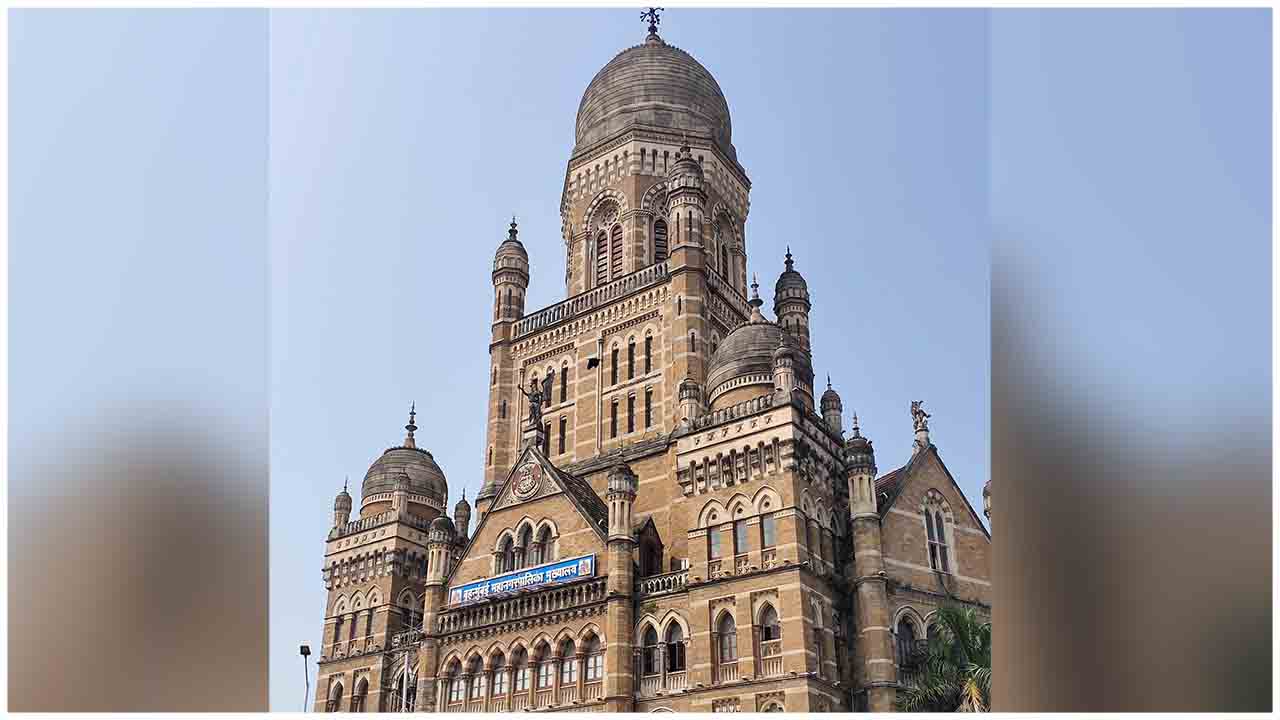
 Thousands of essential service workers in Navi Mumbai, including those in hospitals, are allegedly being forced to figure without safety gear during this pandemic




The BMC on Wednesday revised its Covid-19 testing protocol once more. The new rules will take under consideration the amended discharge policy issued by the Indian Council of Medical Research (ICMR) and therefore the government.
Though this is often the seventh time the civic body has changed its testing guidelines, it’s the primary comprehensive set of rules that takes under consideration all kinds of entry and exit patients, including pregnant women and other people needing dialysis. The revised protocol has come within days of Iqbal Chahal taking up because of the new municipal commissioner.
As per the modified specifications, only symptomatic persons are going to be tested. With the exception of pregnant women, asymptomatic and high-risk contacts of Covid-19 positive patients won't be tested unless they develop symptoms.
A senior official said this may ensure all symptomatic patients have access to testing, in sight of the increasing number of cases. He said testing of such patients also will be ramped up to contain the number of deaths. “The Centre recently categorised patients for COVID testing and devised a replacement discharge policy. we've included entry patients within the new protocol,” he said. As a part of the discharge policy, persons without symptoms for 3 days during a row won't be tested before being discharged from quarantine or isolation centres.
The revised protocol states that pregnant women residing in clusters/containment areas or in large migration gatherings/evacuation centres in hotspot districts are often tested if they are going in labour or are likely to deliver within five days. For patients with kidney diseases, hospitals are going to be asked to not enforce a COVID report whenever they have dialysis.
The other persons to be tested include international travellers within 14 days of their arrival, contacts of confirmed cases, health care workers and hospitalised patients with Severe Acute respiratory tract infection (SARI). of these persons must show symptoms like fever, cough and difficulty in breathing.
The guidelines also state that anyone with these symptoms walking into fever clinics or hospital OPDs must even be tested and will be examined by doctors before the test. Those in need of surgery will get tested as long as there’s a robust suspicion of being infected. Also, no emergency surgeries are often denied for want of a Covid-19 test.
Thousands of essential service workers in Navi Mumbai, including those in hospitals, are allegedly being forced to figure without safety gear during this pandemic.
According to a petition filed within the Bombay high court by union Samaj Samata Kamgaar Sangh, an outsized number of conservancy workers among them need to affect solid waste with bare hands and aren't given access to wash water and soap at any time during their shift. “…they are only given two to 3 drops of hand sanitiser [at the attendance post] before they begin work and two drops at the top of their shift,” it said.





.jpeg)







.jpeg)



.jpg)