 Thursday, October 08, 2026
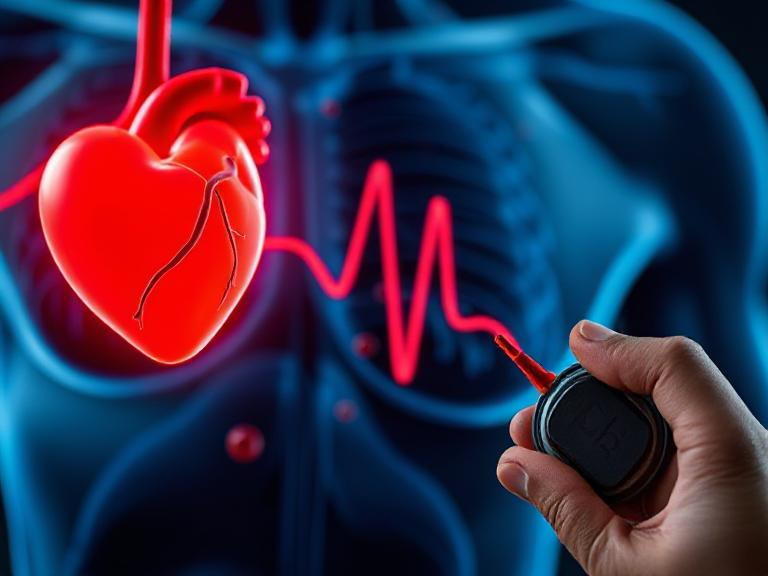
 The biggest motivation for donating blood remains helping someone in desperate need while possibly improving your own health in the process.




Most of us understand the importance of blood donation, it can be the difference between life and death for accident victims, surgical patients, and those battling chronic illnesses. But what if donating blood wasn’t just about saving others? What if this simple act could improve your health in ways you never imagined?
New research is uncovering a shocking truth: donating blood regularly may offer surprising health benefits to the donor. From reducing the risk of blood cancers to improving heart health and even lowering diabetes risk, the potential advantages of giving blood are worth exploring.
Can Blood Donation Reduce the Risk of Cancer?
A study from the Francis Crick Institute in London has found a possible link between frequent blood donation and a lower risk of blood cancers. Here’s why:
As we age, our blood-forming stem cells accumulate genetic mutations, a process called clonal hematopoiesis. Some of these mutations can increase the risk of leukaemia and other blood disorders. However, scientists observed a fascinating pattern when they compared two groups of healthy men in their 60s:
Group 1: Regular blood donors who had donated three times a year for 40 years.
Group 2: Occasional donors who had only given blood about five times in total.
Although both groups had similar numbers of genetic mutations, frequent blood donors had a higher prevalence of mutations not typically linked to cancer. Researchers believe this could mean that regular blood donation flushes out aging or potentially harmful blood cells, encouraging the body to produce fresh, healthier cells.
While more research is needed, this suggests that donating blood might play a role in reducing cancer risks by influencing the genetic makeup of our blood.
One of the most well-documented benefits of blood donation is its impact on cardiovascular health. Many people don’t realize that thick, sticky blood can increase the risk of:
• High blood pressure
• Blood clots
• Stroke
• Heart disease
By donating blood, you naturally reduce blood viscosity making it easier for your heart to pump and decreasing your risk of cardiovascular complications.
How Does It Work?
Blood donation reduces iron levels: While iron is essential for carrying oxygen, too much iron in the blood can lead to oxidative stress and inflammation two major risk factors for heart disease.
It promotes better circulation: Regular blood donation helps maintain a healthy balance of red blood cells, ensuring better blood flow and oxygen delivery.
It may help lower blood pressure: Some studies have suggested that frequent donors experience a drop in blood pressure, particularly those who previously had hypertension.
By simply rolling up your sleeve, you could be giving your heart a much-needed break while saving lives in the process.
Can Blood Donation Help with Diabetes?
Early research suggests a potential link between blood donation and improved insulin sensitivity. Since diabetes and heart disease are closely connected, reducing excess iron levels and improving circulation may indirectly benefit blood sugar regulation.
While donating blood is not a substitute for a healthy diet and exercise, some experts believe it might provide an extra layer of protection against developing type 2 diabetes.
Did you know that you get a free health screening every time you donate blood?
Before you donate, medical professionals check:
Blood pressure
Hemoglobin levels
Pulse rate
Possible infections (depending on screening policies)
This means that regular blood donors may have an early warning system for potential health concerns that could otherwise go unnoticed.
There’s one question that scientists are still debating:
Are these health benefits caused by blood donation, or are blood donors naturally healthier people?
Blood donors must indeed meet strict eligibility criteria, which means those with chronic illnesses, infections, or a history of cancer are often excluded. This could mean that regular donors are already in better health than the general population.
However, even if donating blood doesn’t directly prevent disease, there’s no denying its life-saving impact on others and the added health perks are certainly a bonus.
Regardless of the personal health benefits, the most powerful reason to donate blood remains simple:
It saves lives.
Blood banks often face critical shortages, especially in emergencies. A single pint of blood can help multiple patients, including trauma victims, surgery patients, and those undergoing cancer treatments. Many countries struggle with low donor numbers, making it vital for healthy individuals to step up.
Should You Become a Regular Blood Donor?
If future research confirms that frequent blood donation provides measurable health advantages, this could encourage more people to participate.
But for now, the biggest motivation remains helping someone in desperate need while possibly improving your own health in the process.
So, the next time you see a blood donation drive, consider making an appointment.
You won’t just be saving lives you might be extending your own.





.jpeg)








.jpg)
.jpg)
.jpg)
.jpg)
.jpg)
.jpg)


.jpg)
.jpg)
.jpg)