 Thursday, October 08, 2026
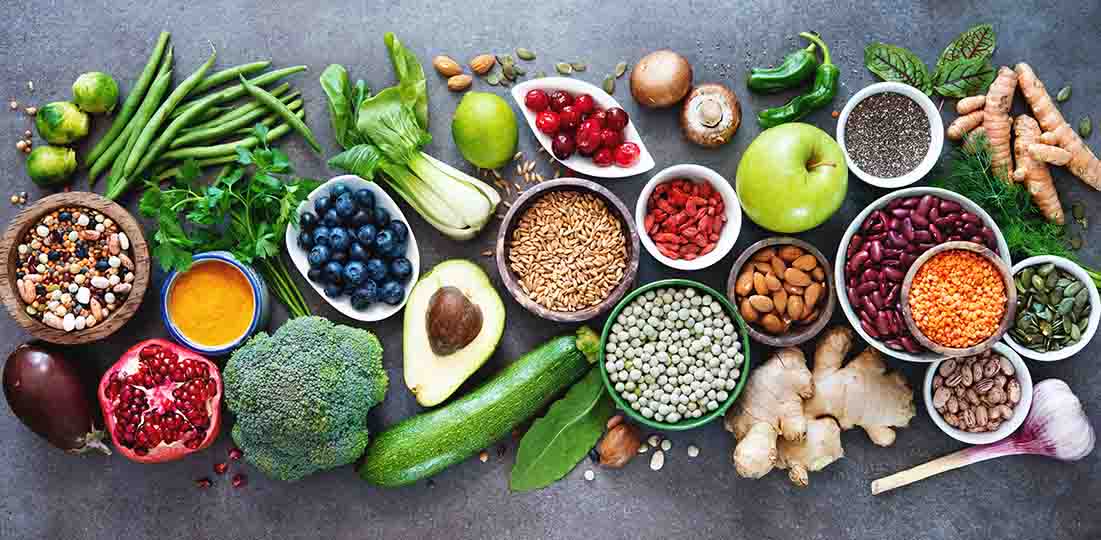
 How to eat during cancer treatment, know diet and some truths and lies related to cancer
When you are undergoing treatment for cancer, you should take special care of your diet. Here we are also telling you some facts related to diet and cancer.
How to eat during cancer treatment, know diet and some truths and lies related to cancer
When you are undergoing treatment for cancer, you should take special care of your diet. Here we are also telling you some facts related to diet and cancer.





Cancer treatment and eating habits
Human behavior is that if something good happens to them then they give all the credit to themselves but if something bad happens or doesn't happen as expected then they start blaming others. The same rule applies in the case of cancer as well.
Sugar
These days, a message is being shared a lot on social media that consuming too much sugar increases the risk of cancer. But there is no solid evidence available in this regard. It can also be understood in such a way that if this were true then every diabetic patient would have cancer, which is not true.
Coconut Oil / Palm Oil
Some people think that excessive consumption of palm oil/coconut oil prevents cancer, while this is not true. Not all these oils protect against cancer.
Smoked/barbecued food
The link between the risk of cancer and smoked food is said to be quite high. It has been seen in every area of the world where barbecue / open grill cooking is more prevalent. Cases of stomach and colon cancer have been reported with this type of cooking.
Processed food
There is no doubt that chemicals used as preservatives in processed food are associated with a higher risk of carcinogenesis. Therefore, it is always advisable to eat freshly cooked food and consume organic products instead of packaged food. Healthy eating habits should be adopted to reduce the risk of cancer.
Eat a balanced diet
Make sure your diet contains equal amounts of carbohydrates and proteins. Include salads and fresh fruits in this so that you also get plenty of micronutrients.
Avoid overeating
Obesity is the cause of many types of cancer, such as cancer of the breast, ovary, and intestines. Hence overeating should be avoided. The correct idea of how much food to eat is to eat only as much food as will satisfy your hunger, and avoid forcefully stuffing it in the stomach.
Active lifestyle
Make sure that you lead an active life every day which includes regular exercise. Similarly, instead of taking the lift, use the stairs.
Eating habits with surgery
Eat less spicy and less oily simple food so that the stomach does not get upset and gas does not form. Try your best to avoid constipation and eat more fibrous food.
How to eat with chemotherapy
Due to chemotherapy, the immunity of the body decreases so avoids outside food and fruit juices, etc. Do not eat uncooked food, such as salads and cut fruits, etc. Eat light food so that there is no possibility of vomiting.
How to eat with radiotherapy
Generally, radiotherapy does not tamper with the dosage. But if you are undergoing radiotherapy for head and neck cancer, avoid spicy foods or high-salt foods as they can irritate the mouth and food pipe. Eat food that is soft, cold, and sweet as it is easy to swallow.
(Disclaimer: The content on this site is for informational purposes only, and should not be taken as professional medical advice. Always seek the guidance of your doctor or other health professionals for any questions you may have regarding your health or a medical condition.)





.jpeg)










.jpg)
.jpg)
.jpg)
.jpg)
.jpg)
.jpg)


.jpg)