 Thursday, November 19, 2026
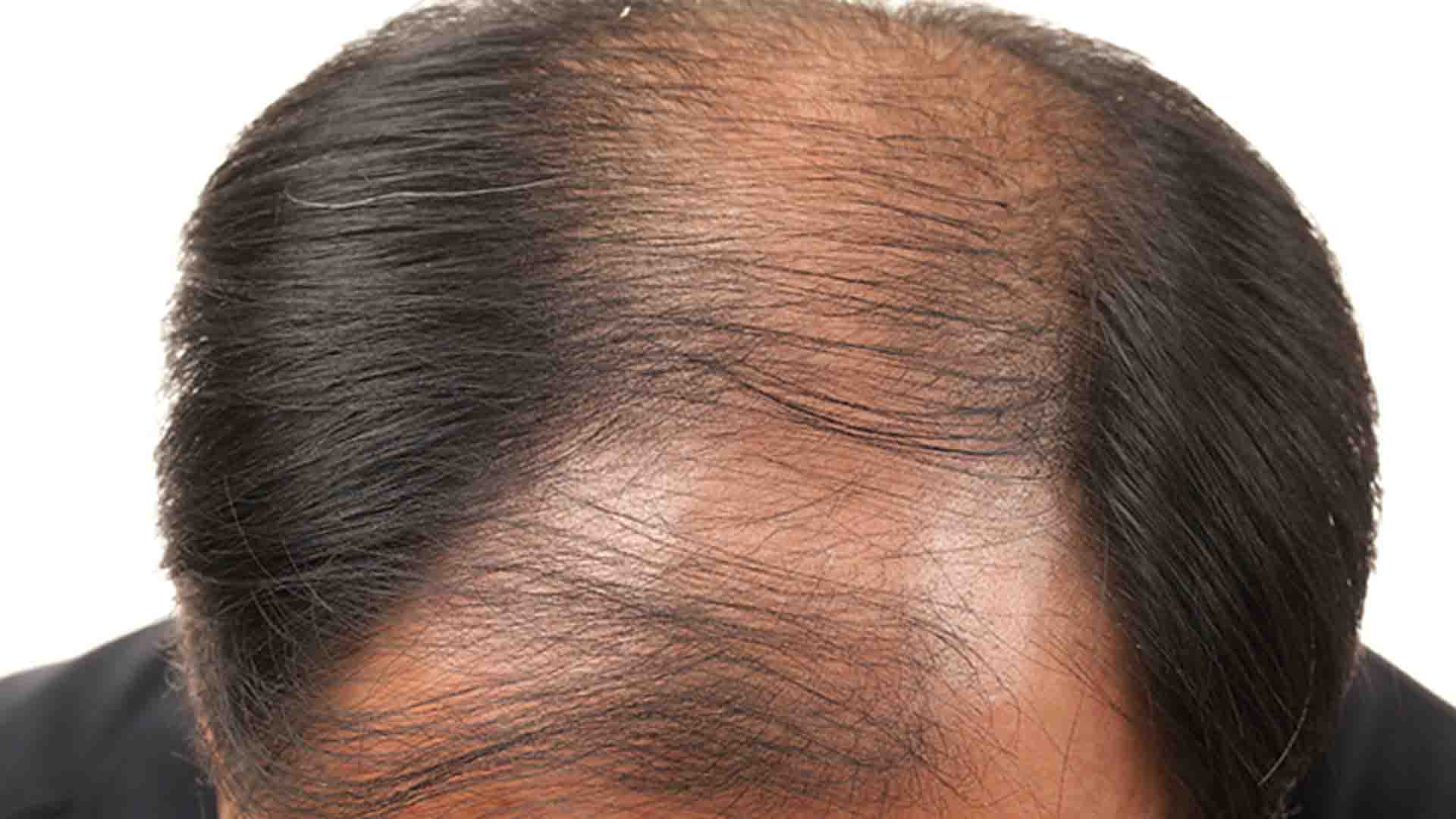
 Many people these days are troubled by the problem of baldness or hair fall. This problem is not only seen in people of 50 years old, but many young people are becoming hot especially male pattern baldness very fast. The problem of baldness in men is not only affecting their social life, but it is also affecting their personal life.





The confidence level of men who are victims of baldness in men is also very low, due to which they have to face problems from office to their marriage and dating. The problem of baldness in men can be due to many reasons. But it can also have some genetic reasons. One of these genetic causes is male pattern baldness. Perhaps many of us are unaware of this genetic problem. But it is such a genetic problem, which can be seen in men of any age. Today in this article we will tell you about Pattern Boldness in Men. Let's know about it in detail
What is Male Pattern Baldness?
The problem of baldness in men is called male pattern baldness. This is a genetic problem. It is called androgenic alopecia in the medical language. It is considered to be one of the most important reasons for hair loss in men. Men suffering from male pattern balding tend to lose their hair from the middle. The hair growth stops completely on that part. The upper part of the head of men suffering from this problem looks like a bowl.
Male Pattern Baldness Causes
Male pattern baldness is a genetic problem. However, in some situations, age and hormonal changes can also cause this problem. This problem of men is also known as androgenetic alopecia. Male pattern baldness occurs in any male when the hormonal level of the male body starts changing. This problem is mainly due to genetic factors.
Each person has a different hair growth cycle, but in men with male pattern baldness, the hair growth cycle starts to weaken, due to which the hair roots ie follicles start weakening. Due to this the hair starts growing smaller and finer. Gradually this growth also stops. If someone in your family is already a victim of baldness, then you may also have this problem. It is an inherited disease. However, it can also be a problem in some serious situations. like-
Cancer disease Taking Abalocyl Steroids Wrong drug use Thyroid problems
Male Pattern Baldness Treatment
Hair loss is natural in men with increasing age. In such a situation, many men feel that treatment is not needed for this. However, hair loss can have a negative impact on our mental state. In this case, it is necessary to treat it. There are some remedies available for male pattern baldness, which can overcome the problem of hair fall. like-
Through some medicines - Many types of medicines are available to overcome the problem of hair fall. In case of such a problem, the doctor may advise you to take some medicines.
Hair Transplant - To remove male pattern baldness, the doctor may advise you to do a hair transplant.
This problem occurs mainly due to genetic reasons. However, it can also be a problem in some serious situations. In this case, you may need treatment from a doctor.
(Disclaimer: The content on this site is for informational purposes only, and should not be taken as professional medical advice. Always seek the guidance of your doctor or other health professionals for any questions you may have regarding your health or a medical condition.)




-23-300x250.png)





















