 Thursday, October 08, 2026
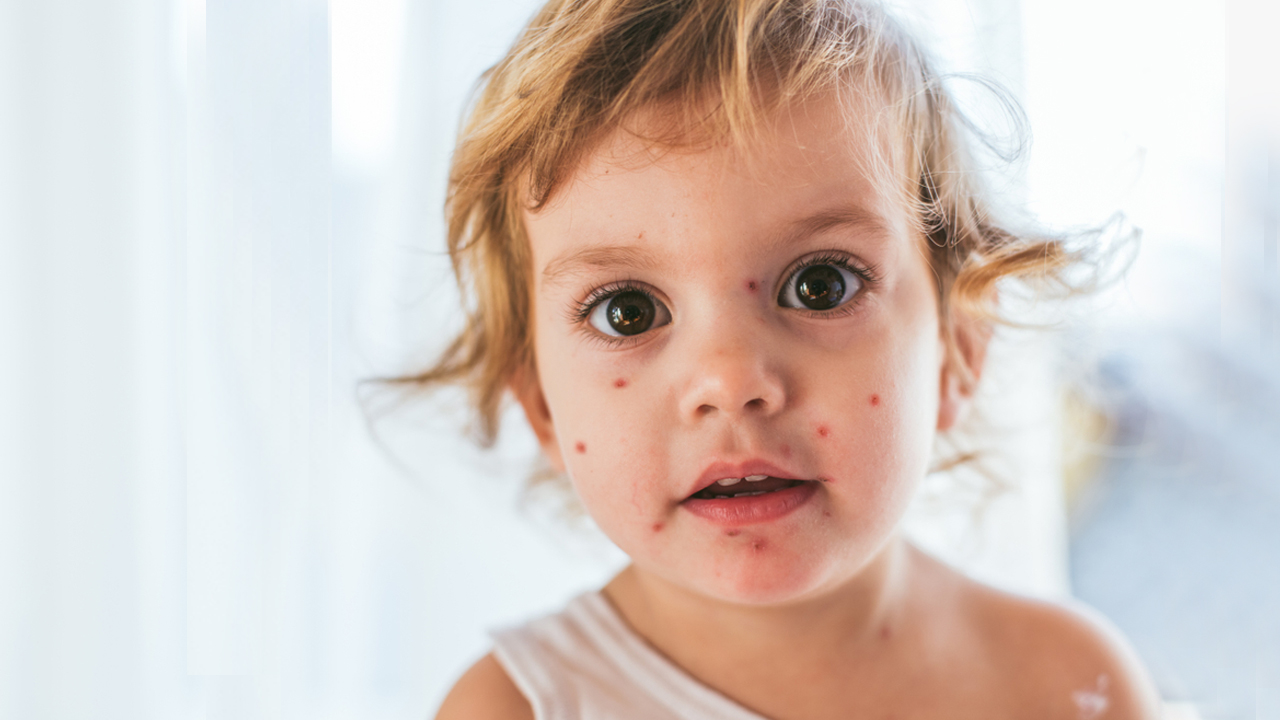
 Chickenpox is very common among children. Fever, headache, sore throat, and stomachache are some common symptoms. A healthy diet and easy homemade remedies can assist in fighting off the disease. And an unhealthy diet can make the condition even worse. Here is the list of food items – what to eat and what not to.





Chickenpox is very common among children. Fever, headache, sore throat, and stomachache are some common symptoms. A healthy diet and easy homemade remedies can assist in fighting off the disease.
Foods to take
- Hydration - Loss of appetite is the most common symptom of chickenpox. This results in dehydration. To prevent this, the patient can drink nutrient-rich immunity-boosting fruit juices that keep the body well hydrated.
- Should eat fruits - The patient should eat more fruits. The body is attacked by the virus and to strengthen immunity it is important to supplement the body with nutritious fruits like grapes, bananas, and watermelon. Consuming hard fruits might be problematic for the chickenpox patient, but you can extract juices from these. Having fruit juices at regular intervals will supplement the body with essential nutrients.
- Curd intake - Curd is a great source of probiotics. It is also a good source of calcium. Taking a little curd throughout the day will help in fast recovery as well.
- Coconut water is full of vital vitamins, electrolytes, and minerals, with zero calories. This boosts immunity and has a cooling effect on the body. Taking this as the first thing in the morning will add to the positive effects.
- Dal - Toor dal and moong dal are very beneficial for chickenpox patients. Try to include dal every day in your meal in the form of soup.
- Citrus fruits - Citrus fruits are high in vitamin C content. Thus, they are also considered immunity boosters. Some examples are oranges, lemons, and amla. Natural fruit and vegetable juices are best if given at this time. Other than these, fresh vegetables are also recommended.
- High water content foods – Foods high in water content can be easily digested. Some examples are tomatoes, cucumber, watermelon, kiwi, etc.
Foods to avoid
- Dairy products, meat, bread, and heavy foods are strictly restricted during chickenpox as these are difficult to process.
- Try avoiding processed, fried, and junk food as they contain no nutritional value with additional calories. Say no to red meat also.
- The patient shouldn't eat any spicy food items. Spicy food items can cause a burning sensation and itchiness owing to blisters in the mouth and throat.
- The patient's digestive issue is generally weak. Hence avoid excess masala and oil in food. Try eating simple foods that get digested easily and cause no acidity-related problems.
- Meat and eggs are fatty. They are not easily digested. Thus, it is suggested to avoid these.
- Avoid foods that are high in carbohydrate content like rice, bread, and pasta since they slow down the process of recovery.
- Foods high in saturated fats may lead to inflammation. And this will slow down the process of healing. Thus, it is best to avoid these.
(Disclaimer: The content on this site is for informational purposes only, and should not be taken as professional medical advice. Always seek the guidance of your doctor or other health professionals for any questions you may have regarding your health or a medical condition.)





.jpeg)










.jpg)
.jpg)
.jpg)
.jpg)
.jpg)
.jpg)


.jpg)