Friday, October 23, 2026
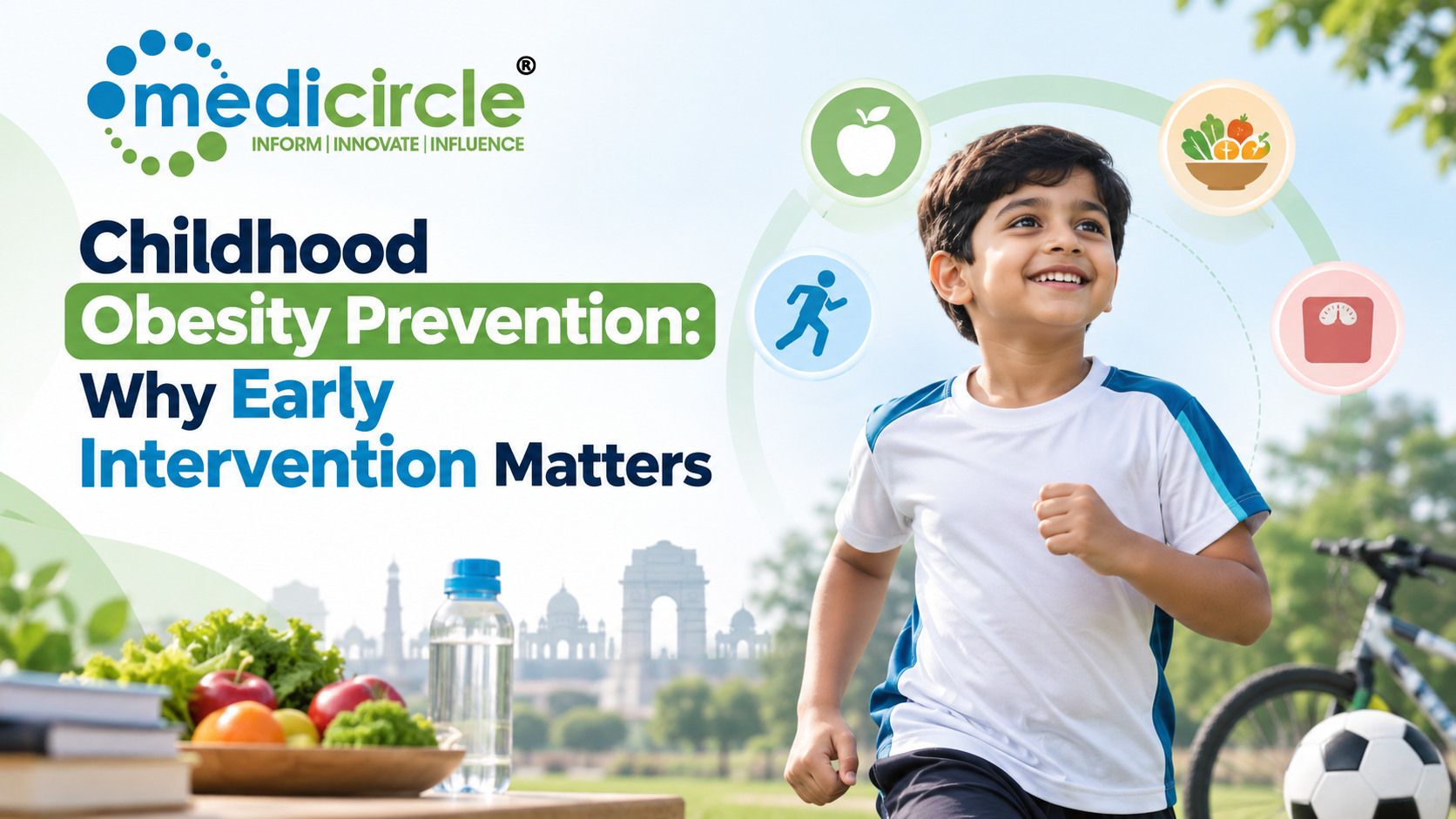
 Childhood obesity in India demands early intervention over reactive weight loss. Prevention through family habits, school programmes, and paediatric monitoring is the most effective and medically responsible approach.





Introduction
India is quietly facing a public health challenge that is unfolding in plain sight, inside school canteens, on sofas in front of screens, and in the everyday food choices made by millions of families. According to a report published in The Lancet, approximately 12.5 million children in India are overweight or obese, including 7.3 million boys and 2.3 million girls between the ages of 5 and 19. These are not abstract statistics. They represent children who are already at risk of developing type 2 diabetes, cardiovascular disease, and serious mental health challenges before they even reach adulthood.
What makes this trend particularly concerning is not just the numbers themselves, but the way India as a society tends to respond. Families often wait until a child appears significantly overweight before seeking medical guidance. And when they do seek help, the conversation tends to centre on weight loss, calorie counting, and restrictive diets rather than on the far more important questions: What habits shaped this child's health trajectory? What can be changed now to prevent long-term disease?
The medical and scientific consensus is clear. Early intervention in childhood obesity, beginning before weight becomes a visible problem, is significantly more effective and considerably safer than reactive weight loss efforts initiated years later. This article examines what early intervention actually means, why it matters more than weight loss, and what Indian families, schools, and healthcare professionals can realistically do together.
Understanding Childhood Obesity Beyond the Weighing Scale
Most parents associate obesity with a visible physical appearance. In clinical practice, however, obesity in children is defined by Body Mass Index (BMI) plotted against age-specific and sex-specific growth charts. A child whose BMI falls at or above the 95th percentile for their age and gender is classified as obese. A child between the 85th and 95th percentile is considered overweight. These classifications matter because they indicate health risk, not simply body size.
What is often misunderstood is that obesity in childhood is rarely about a single behaviour or a single cause. It emerges from a complex interplay of factors that accumulate over time. Childhood obesity is caused by a complex combination of environmental, genetic, and behavioural variables. A child's likelihood of developing obesity is influenced by factors such as socioeconomic status, family dynamics, and cultural norms.
In the Indian context, this complexity is further layered by rapidly changing food environments, particularly in Tier 1 and Tier 2 cities. The shift from traditional home-cooked meals rich in vegetables, lentils, and whole grains toward processed snacks, sugar-sweetened beverages, and fast food has been dramatic. Combined with extended screen time, reduced outdoor play, heavy academic schedules, and increasing urbanisation, children today are growing up in an environment that passively promotes weight gain.
Crucially, children with obesity are much more likely to have obesity across the lifecourse, and are at increased risk of short and long-term negative health consequences such as poor mental and musculoskeletal health, type 2 diabetes, asthma, and cardiovascular disease. This is precisely why the window of early childhood is so medically significant.
Primary Causes and Risk Factors in the Indian Setting
Understanding why Indian children are becoming obese at increasing rates requires looking honestly at the converging pressures on modern family life.
Dietary Transitions: Processed and ultra-processed foods have become normalised across income groups. Packaged biscuits, instant noodles, chips, sugary drinks, and commercially produced bakery items have replaced traditional snacks in many urban and peri-urban households. These foods are energy-dense, nutritionally poor, and highly palatable, creating patterns of overconsumption that begin in early childhood.
Physical Inactivity: Competitive academic pressure has reduced the time Indian children spend in physical activity. Many private schools in cities dedicate minimal time to physical education. At home, screen time across smartphones, tablets, and television has expanded significantly. The consequence is a generation of children who move far less than previous generations did at the same age.
Parental and Family Influence: Considering the crucial influence parents have on shaping their children's dietary preferences, physical activity habits, and sleep patterns, implementing preventative programmes centred around families emerges as a practical strategy in addressing the global obesity epidemic. Children eat what is available at home, adopt the activity levels modelled by their parents, and develop food relationships based on how food is presented emotionally within the family.
Socioeconomic and Cultural Factors: In India, a well-fed, plump child has historically been considered a sign of health and prosperity. This cultural perception often leads families to overfeed young children and to dismiss early warning signs from paediatricians. Simultaneously, lower-income families in urban areas often rely on cheap, calorie-dense food that is less expensive than fresh produce, contributing to obesity even in the absence of affluence.
Genetic Predisposition: Children born to parents with obesity carry a significantly higher genetic risk. However, genetic predisposition is not destiny. It is a reason to act earlier and more deliberately, not a reason to accept the outcome as inevitable.
Recognising Early Warning Signs
The most important shift families and paediatricians can make is to recognise early warning signs before obesity becomes established. These signs are often subtle and easy to dismiss.
- Consistent tracking above the 85th BMI percentile across two or more paediatric visits
- Visible changes in energy levels, with the child becoming easily fatigued during physical activity
- Increasing preference for sedentary activity over active play
- Regularly skipping meals and compensating with heavy snacking on processed foods
- Sleep disturbances, which are strongly linked to weight regulation
- Emotional eating patterns or using food as a reward or comfort mechanism
Indian paediatricians working in cities often report that parents bring children in for weight concerns only when the issue is already clinically significant. Growth and BMI charts are essential tools that can tell whether a child is becoming overweight or obese, allowing for early intervention. Routine monitoring at every paediatric visit, not just when a problem is visible, is the standard that protects children.
Why Early Intervention Outperforms Weight Loss Efforts
This is the core question that paediatric medicine has been answering consistently for the past decade. The evidence is robust: intervening early in a child's health trajectory produces better, safer, and more lasting outcomes than focusing on weight loss once obesity is established.
Obesity during infancy and also during childhood was associated with a slower weekly rate of weight loss during treatment in adulthood. Tackling obesity throughout early life may improve the effectiveness of weight-loss interventions in adulthood. In other words, the longer obesity persists in childhood, the harder it becomes to address, even later in life.
There is also a psychological dimension that is frequently overlooked. When families and healthcare providers focus primarily on weight loss in children, particularly in adolescence, the consequences can include disordered eating behaviours, body image distress, and social anxiety. Restrictive diets placed on children can undermine their relationship with food for years.
Early intervention bypasses this problem entirely. Its goal is not to make a child lose weight. Its goal is to create an environment, a set of habits, and a family culture in which healthy weight is the natural outcome. This is a fundamentally different, and far more humane, approach.
The importance of addressing childhood obesity in India is underscored given its significant impact on health outcomes, healthcare costs, and quality of life. Multi-sectoral collaborations, tailored interventions addressing socioeconomic and cultural factors, and the involvement of families and healthcare professionals are among the critical components of successful prevention efforts.
Prevention and Proactive Health Strategies
Prevention of childhood obesity is not a single action. It is a sustained, multi-layered approach that involves families, schools, healthcare providers, and policy systems working together.
Family-Centred Behaviour Change: The most effective interventions target the entire family, not just the child. When parents improve their own dietary patterns, increase physical activity, and reduce household screen time, children follow. Family meals cooked at home using traditional Indian ingredients like dal, sabzi, whole grains, fruits, and dairy, form a strong nutritional foundation. Reducing the frequency of ordering processed or restaurant food and eliminating sugary beverages as a household staple are practical starting points.
School-Level Interventions: Schools in India have enormous potential to reshape children's health behaviours. Daily physical activity periods, nutrition education, healthier canteen options, and regular BMI screenings conducted by trained health staff can collectively shift an institution's health culture. Multi-sectoral collaborations, tailored interventions addressing socioeconomic and cultural factors, and the involvement of families and healthcare professionals are identified as critical components of successful prevention efforts.
Paediatric Healthcare Engagement: India's paediatricians are on the frontlines of early detection. Routine growth monitoring, proactive counselling of parents at every well-child visit, and early referral to nutrition or dietetics services are evidence-based practices that need to become more consistent across healthcare settings, both public and private.
Reducing Screen Time and Promoting Active Play: The WHO recommends no screen time for children under two, and no more than one hour per day for children aged two to four. Indian families need practical support in enforcing these boundaries. Encouraging outdoor play, sports participation, dance, yoga, or even regular family walks builds physical activity into daily life without making it feel like a medical prescription.
Government Policies and Public Health Frameworks: India's Eat Right India initiative under FSSAI and the School Health Programme under Ayushman Bharat represent structural policy tools that, when effectively implemented, can create healthier school and community food environments. Strengthening ICMR-aligned guidelines for paediatric nutrition and mandating nutrition labelling literacy in school curricula are areas where policy can meaningfully support prevention efforts.
The Role of Awareness, Credible Information, and Healthcare Communication
One of the most underappreciated contributors to the childhood obesity crisis in India is the quality of health information that families receive. Many parents are not aware of what a healthy growth trajectory looks like for their child. Many do not realise that portion sizes, meal timing, and food quality matter more than the occasional treat. Many are receiving fragmented or contradictory advice from social media, well-meaning relatives, and informal sources.
Platforms like Medicircle play a vital role in this context by bringing credible, expert-led healthcare information directly to families, educators, and healthcare professionals. When medical experts can communicate clearly about childhood nutrition, the importance of routine paediatric monitoring, and the evidence around prevention over cure, families are better equipped to make meaningful, lasting changes at home.
The absence of reliable, readable, and India-specific healthcare information is itself a public health gap. Bridging that gap is as important as any clinical intervention.
Conclusion
Childhood obesity in India is not a problem that can be solved by putting children on diets or by waiting until a child is visibly overweight before taking action. By 2030, it is projected that 27 million Indian children will suffer from obesity, and India will contribute approximately 11 percent of the global burden of child obesity. These projections are not inevitable. They are warnings that invite action now.
The evidence is clear that early intervention, beginning in infancy and sustained consistently through childhood, produces outcomes that reactive weight loss cannot. It protects children's physical health, preserves their emotional relationship with food and their bodies, and creates habits that can carry them into healthy adulthood.
Families, schools, paediatricians, policymakers, and healthcare communicators each have a distinct role in this effort. The shift from a weight-loss mindset to a health-building mindset is not just a clinical recommendation. It is the most responsible, most effective, and most humane path forward for the children of India.
Frequently Asked Questions
Q1: At what age should parents start worrying about childhood obesity?
Concern should begin as early as infancy. Rapid weight gain in the first two years of life is a known risk factor. Paediatricians recommend monitoring BMI and growth patterns from age two onwards, with proactive conversations starting even earlier with the family.
Q2: Is childhood obesity in India more common in urban or rural areas?
While urban areas traditionally show higher prevalence due to sedentary lifestyles and processed food access, studies now show that rising rates in peri-urban and rural areas are also a concern, driven by dietary transitions and reduced physical activity.
Q3: Does focusing on weight loss harm a child's relationship with food?
Yes, placing excessive emphasis on weight loss in children can contribute to disordered eating, body image issues, and emotional distress. A behaviour-focused approach that builds healthy habits is significantly safer and more effective over the long term.
Q4: What role do schools play in preventing childhood obesity in India?
Schools are critical environments for prevention. They can enforce nutrition standards in canteens, ensure daily physical education, limit availability of junk food, conduct regular BMI screenings, and create awareness among students and parents about healthy living.
Q5: How is early intervention different from putting a child on a diet?
Early intervention is not about placing children on restrictive diets. It focuses on improving food quality, increasing physical activity, reducing screen time, strengthening family habits, and creating environments where healthy behaviours become the natural default for the child.
Resources
- Indian Council of Medical Research (ICMR): Guidelines on paediatric nutrition, growth standards, and childhood non-communicable disease prevention in India
- World Health Organization (WHO): India Country Office reports on child health, obesity prevalence, and nutrition policy
- Ministry of Health and Family Welfare, Government of India: School Health Programme documentation under Ayushman Bharat
- Food Safety and Standards Authority of India (FSSAI): Eat Right India initiative resources on school nutrition and food labelling
- PubMed/NCBI: Peer-reviewed research on childhood obesity prevention strategies with India-specific studies
Interlinking Keywords:
childhood obesity India, early intervention child health, paediatric BMI monitoring, healthy eating habits children, family-based obesity prevention, school nutrition programme India, Ayushman Bharat child health, childhood diabetes risk, overweight children Indian diet, child health and family healthcare
Last medically reviewed by:
Editorial and Medical Review Team, Medicircle on 2 September 2026
Medical Disclaimer:
This article is intended for general health awareness and educational purposes only. It does not constitute medical advice, diagnosis, or treatment. Parents and caregivers are strongly advised to consult a qualified paediatrician or healthcare professional for any concerns related to their child's growth, weight, or nutritional health. Do not make changes to a child's diet or activity plan without proper medical guidance.





-23-300x250.png)

.jpeg)
.jpg)
.jpg)
.jpg)
.jpg)
.jpg)
.jpg)
.jpg)
.jpg)
.jpg)