 Monday, October 12, 2026
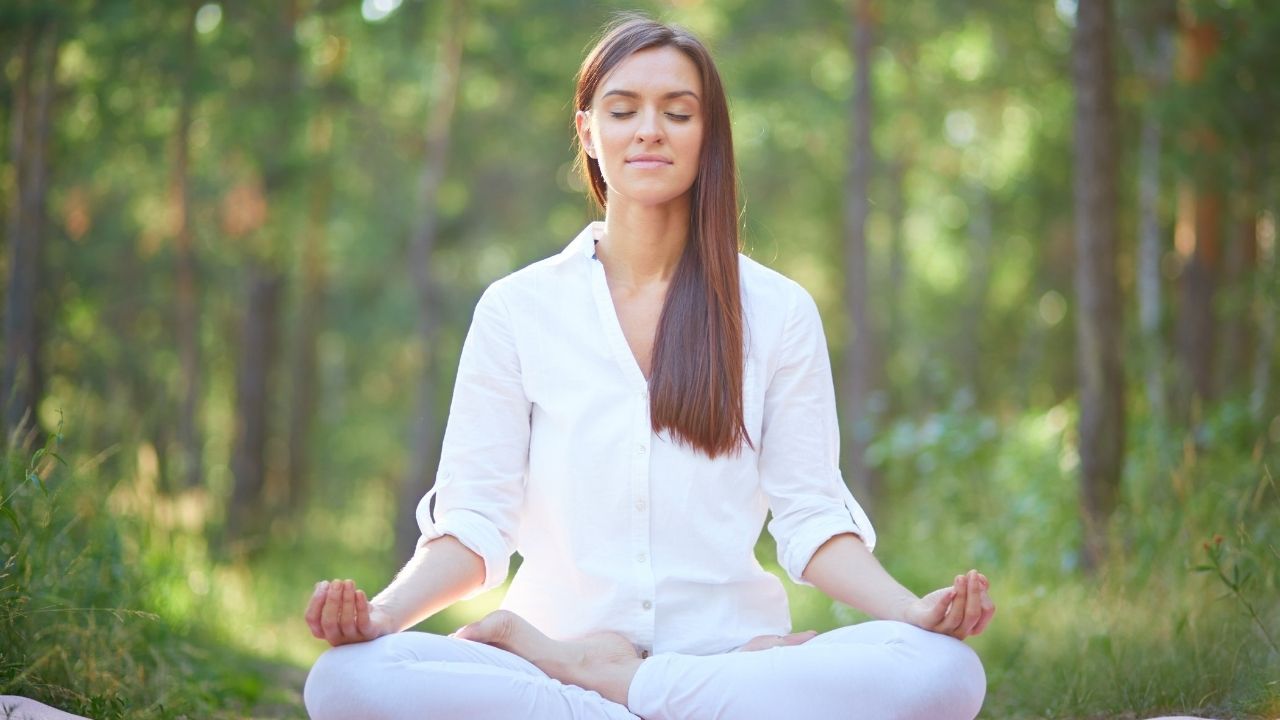
 A yogi is identified by the way he sits in Padmasana. Along with this, the benefits of Padmasan are also many. This is a good yoga posture for peace of mind and body. Learn of Padmasana and get started with it right away in your lifestyle.




How to do Padmasana
Sit on the yoga mat in Dandasana posture (with legs stretched forward). The hands should be on the ground and the spine and neck should be straight. bend your right leg over the thigh of the left leg. Similarly, bend the left leg and place it on the thigh of the right leg. Your hands should be in the mudra position and the waist and neck should be straight. You are in Padmasana posture. In the meantime, keep breathing and exhaling and try to focus the mind on one place. After that come back to normal posture, similarly practice this asana daily. If you want, you can practice it two to three times a day.Easy way to do Padmasana for Beginners
If you are practicing Padmasana for the first time, then the asana way for you to do Padmasana is as follows.
First of all, sit comfortably on the mat with a cross. Place the heel of your right foot on top of the thigh of the left foot. Meanwhile, your neck and waist should be straight. Keep the hands straight above the knees, the elbows should be straight. The eyes should be towards the front, you can also close your eyes if you want. Now try to stay in this position for a while. After that repeat this process with the other leg as well.Precautions in Padmasana Yoga
Padmasana yoga can be done by people of all ages, there is no harm in any way. Let us further know which people should not practice Padmasana.
People suffering from knee pain should not practice it at all. The practice of Padmasana should be avoided even in severe back pain. Pregnant women should practice Padmasana only under the supervision of a yoga expert. Do not practice this asana even if there is any kind of problem with the feet. If you feel pain in the feet while doing Padmasana, then come out of this posture immediately, do not try to forcefully stop in this posture. Do this asana before Padmasana You must also practice these asanas before Padmasana.Do this asana after Padmasana.
Inverted Lotus Pose Fish Pose Janushirshasana (Janu Sirsasana) Ardha Matsyendrasana Butterfly Yoga Pose Adho mukha svanasana Savasana or Corpse PoseFor how long should you do Padmasana?
Initially, Padmasana can be practiced for one to two minutes and when you become experienced in it, you can do it for 5-10 minutes or even longer. To get the benefits of Padmasana, it is right to do it for a long time. But do not practice it forcefully.
Conclusion
Padmasana is a great yoga posture, if you are a yoga lover then you must definitely come to sit in Padmasana.





.jpeg)










.jpg)
.jpg)
.jpg)
.jpg)
.jpg)
.jpg)


.jpg)