 Thursday, October 08, 2026
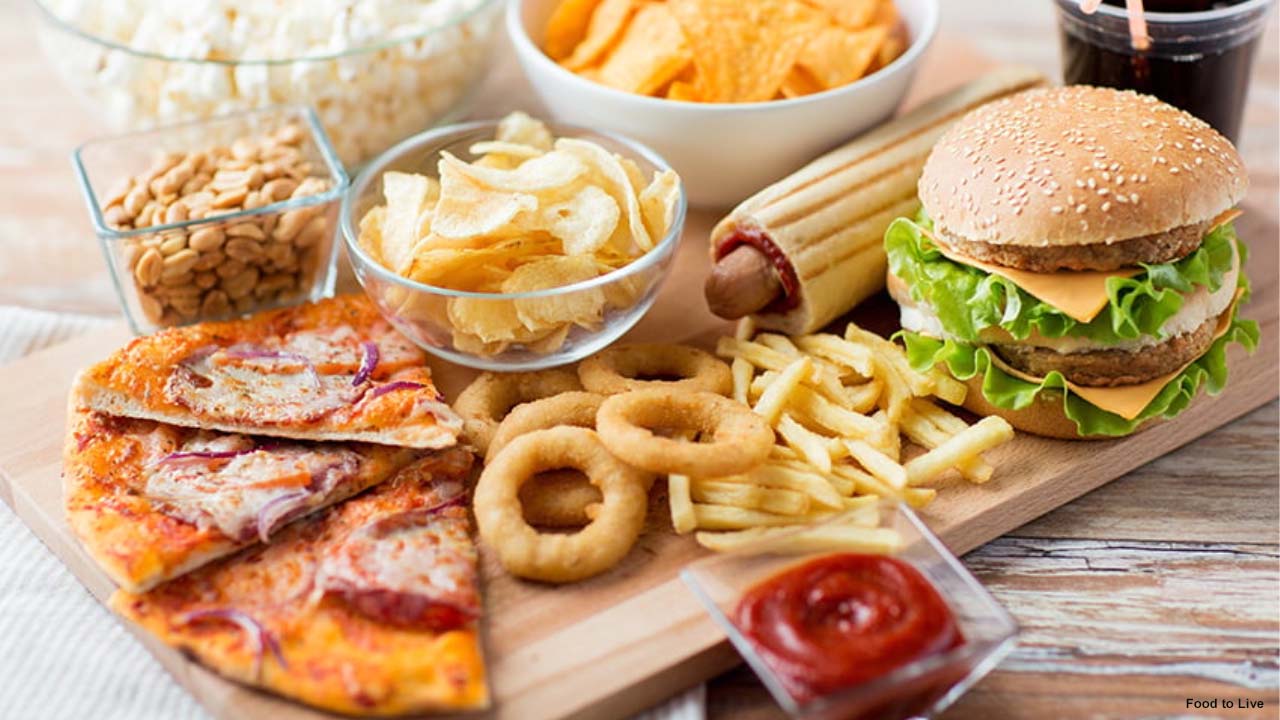
 We often feel a burning sensation or pain or difficulty swallowing when we overeat or eat a lot of unhealthy stuff in short intervals. This is because the food is not properly digested. But do you know there are certain foods that can trigger this heartburn condition? Here are such foods and drinks which need to be avoided so as to avoid discomfort




Our stomach contains an acid called Hydrochloric acid (HCl). HCl acid present in the stomach breaks down the food and provides protection against pathogens. When a portion of stomach acid is refluxed back into your esophagus, it is known as acid reflux. Acid reflux is often associated with heartburn, a burning sensation. The gastroesophageal sphincter prevents the coming back of food and promotes it to enter the stomach. When this sphincter malfunctions, acid flows backward into the esophagus. This is also called indigestion.
Symptoms
- A burning feeling in your chest that can last anywhere from a few minutes to a couple of hours.
- Pain in your chest when you bend over or lay down.
- A burning feeling in your throat.
- A hot, sour, acidic, or salty taste in the back of your throat.
- Difficulty swallowing.
Certain foods may also trigger this acid reflux, here is a list of such food items.
Triggers of acid reflux
Spicy foods – Spicy foods such as chilies and pepper can cause heartburn. If you are experiencing frequent heartburn then avoid such food items or use the milder version of them.
Caffeine – Caffeine-containing food or drinks include soda, tea, iced tea, or coffee. Overconsumption of these may cause heartburn, however, taking them in moderation doesn’t cause it. One has to control the serving size or consume fewer calories.
Carbonated drinks - Carbonated drinks expand the stomach. A swollen stomach puts more strain on the esophageal sphincter and encourages reflux. If you have indigestion, it is better to avoid carbonated beverages also.
Alcohol – Taking alcohol or beer or cocktail drink after having a meal may cause heartburn. However, if you additionally eat spaghetti with tomato sauce and drink orange juice on an empty stomach in the morning, there may be an issue.
Chocolate – We all love chocolates. Serotonin is a happy hormone; it is released as a result of eating chocolate. Serotonin not only makes you feel good but also relaxes your lower esophageal sphincter. This increases the chance of getting heartburn.
Fatty foods – Fatty foods are generally unhealthy and should be avoided. Foods with high-fat content make the condition of acid reflux worse. Consuming foods high in fat may trigger the body to release the hormone cholecystokinin, which also relaxes the LES.
Lifestyle and dietary changes to prevent heartburn
- Avoid overeating
- Chewing the food properly before engulfing
- Wearing loose-fitting clothes
- Maintaining a healthy weight
- Sleeping on your left side
- Exercising
- Sleeping position – Keeping head and chest a little above the feet level
- Don’t go directly to bed after having a meal
- Avoid smoking
(Disclaimer: The content on this site is for informational purposes only, and should not be taken as professional medical advice. Always seek the guidance of your doctor or other health professionals for any questions you may have regarding your health or a medical condition.)





.jpeg)








.jpg)
.jpg)
.jpg)
.jpg)
.jpg)
.jpg)


.jpg)
.jpg)
.jpg)