 Monday, October 05, 2026
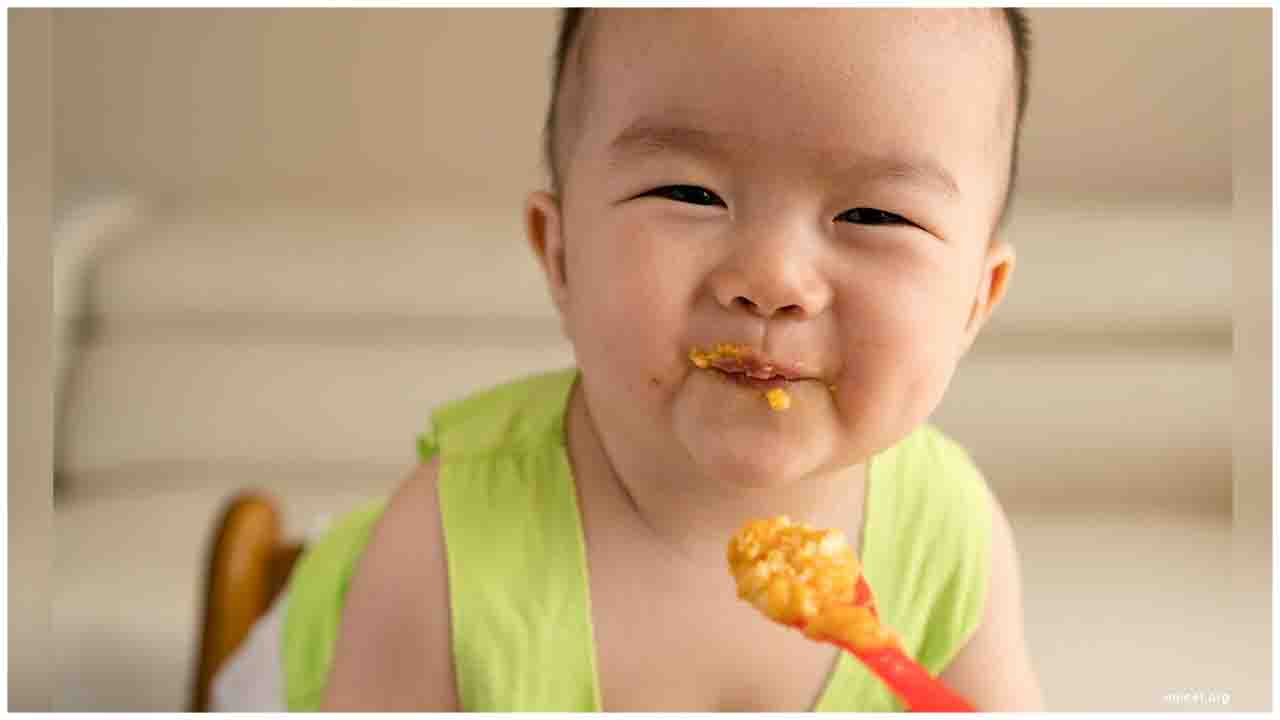
 Youngsters mimic their parents, so it's imperative to set a genuine model. So be a good example for your youngsters.




Raising a family isn't in every case simple. You are occupied, as are your youngsters. Attention to and responsibility to ensuring the soundness of kids and to their nurturance has expanded in late decades. There is a great deal to do in a brief period. In any case, a lot is on the line.
Today, numerous children are overweight or obese. A healthy, dynamic way of life can help look after the weight. It likewise can forestall medical problems, for example, diabetes, coronary illness, asthma, and hypertension. Kids' wellbeing includes the physical, mental, passionate, and social prosperity of kids from early stages through pre-adulthood.
It is imperative to make healthy habits early on in the life of our kids. These will assist you with settling on keen decisions for your family. Youngsters mimic their folks, so it's imperative to set a genuine model.
The tips underneath can enable your family to be sound and glad.
It is additionally significant for youngsters to get ordinary tests with their social insurance suppliers. These visits are an opportunity to check your kid's turn of events. They are likewise a decent an ideal opportunity to get or forestall issues. Other than tests, young kids ought to be seen for
- Huge weight addition or misfortune
- Rest issues or change in conduct
- Fever higher than 102
- Rashes or skin diseases
- Visit sore throats
- Breathing issues
Ways to improve the wellbeing of our kids are eating better within the families
- Start the day with a healthy breakfast. It refuels the body and gives vitality to the day
- Let kids help design and get ready 1 feast every week
- Eat all together as frequently as could reasonably be expected
- Require significant investment eating, and bite gradually. It takes 20 minutes for the mind to tell the body that you are full
- Eat more vegetables and new natural products. Focus on an aggregate of 2 cups of fruits and 1/2 cups of vegetables every day
- Eat all the more entire grains. Models incorporate oats, earthy colored rice, rye, and entire wheat pasta. Attempt to eat in any event 3 ounces of entire grains every day
- Drink a lot of liquids. Pick water, low-fat or nonfat milk, and low-calorie refreshments
What should parents take care of?
- Reward children with praise, not food
- Eating better themselves
- Serve food in little bits
- Serve an assortment of nourishments
- Try not to request or prize "a spotless plate." Let your youngsters request more on the off chance that they are as yet eager.
- Read nutrition labels for serving size. This data can assist you with choosing nourishments that fit your family's needs.
- Bake, grill, boil, or barbecue nourishments instead of fried.
- Abstain from cooking with margarine or vegetable oil. Utilize more advantageous variants like olive, canola, or sunflower oil.
- Pick tidbits that give supplements and vitality. These are fundamental for dynamic, developing kids.
- Approach your primary care physician about nutrient enhancements for you and your kids.
Being increasingly activity for family and kids
- Move more. Attempt to get somewhere in the range of 30 and an hour of physical activity every day.
- Remember physical action for your everyday schedule. Stroll as a family previously or after dinners.
- Make playtime with your family fun. Be dynamic by shooting bands or playing tag.
- Be dynamic in the home. For instance, you can tidy, vacuum, nursery, or walk the canine. These exercises are acceptable approaches to consume calories.
- Incorporate exercises, for example, climbing or biking, when you take some time off.
- Know your day by day calorie needs. Offset calories you devour with the calories you consume.
- Limit time on TV, PC, and computer game chance to less than 2 hours of the day. Support physical movement.
How can parents become role models for the kids?
- Being increasingly active
- Park the vehicle farther away from busy working or stores.
- Use the stairwell rather than the lift.
- Get off the transport one-stop prior and walk the remainder of the way.
- Exercise while sitting in front of the TV at home. Utilize a machine, lift loads, and stretch.
- Stroll to do tasks.
- Be a good example for your youngsters. Accomplish something dynamic consistently.
- Interesting points
- Keep a food diary. Track what you eat, how much, when, and why.
- Keep an action log. Track your activity: type, time, and level.
- Eat at the kitchen table. Abstain from eating in the vehicle or while sitting in front of the TV. This encourages you to center around the amount you eat and can help forestall gorging.
- Put exercises on your schedule so you keep them. Set exercise garments out the prior night.
- Set objectives you can accomplish. For instance, expect to eat more vegetables and less unhealthy nourishments.
- Eat just when you're ravenous. Try not to eat in light of the fact that you are exhausted, tired, or focused. Rather, make different propensities. For instance, go for a stroll, play a game, read a book, or call a companion.
- Do whatever it takes not to indulge. When you aren't eager any longer, drive the plate away.
- Shop for staple goods on a full stomach. This will assist you in settling on more beneficial food decisions. It is more diligently to oppose drive or helpless decisions when your stomach is vacant.
- Be keen about what you drink. Most beverages are unfilled calories.
- Pick water or low-or no-calorie drink choices. A 32 oz. ordinary soft drink has up to 400 calories.
- Breaking point how much liquor you drink.
- Keep in mind the number of calories that your child should eat every day if obesity and weight-related conditions run in your family
Make sure to keep a tab on the above points mentioned to take care of your child’s physical health (through exercise), mental health (through maintaining family time, happy environment and appreciation), emotional health (letting the child know that they are heard in the family, their opinions and choices are respected), social health (to make friends in school or the neighborhood and respect other human beings).





.jpeg)
.jpg)
.jpg)
.jpg)
.jpg)
.jpg)
.jpg)







.jpeg)
.jpeg)


.png)