 Saturday, October 10, 2026
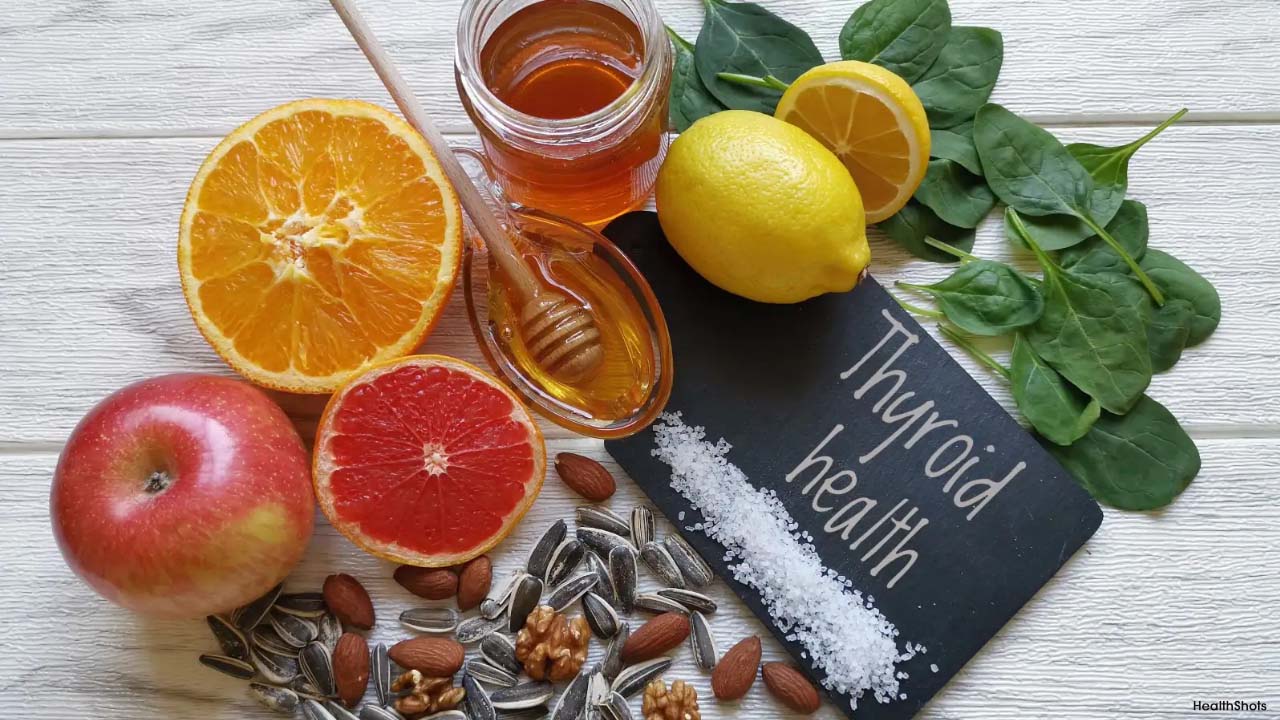
 It is important for thyroid patients to eat healthily in order to boost metabolism and keep the hormonal balance at the right pace. Let us check out healthy diet tips for thyroid patients.




What is Hypothyroidism?
Hypothyroidism is an endocrinological disorder where the body produces insufficient thyroid hormone. It basically occurs due to underactivity of the thyroid gland causing defective metabolism.
Important functions of thyroid hormones
The main function of the thyroid gland is to secrete thyroid hormones T3 and T4 by TSH(Thyroid Stimulating Hormone). The main functions of thyroid hormones are as follows-
-
Growth
-
Cell repair
-
Metabolism and digestion
Symptoms of Hypothyroidism
The main symptoms of Hypothyroidism are as follows-
- Fatigue
- Hair Loss
- Weight gain
- Cold sensitivity
- Constipation
- Gastric issues like indigestion
- Mood swings
- Depression and low mood
- Acne
- Irregular menses
- Infertility
Why should thyroid patients follow a healthy diet?
It is important to eat a healthy diet full of nutrients and vitamins which will help stimulate digestion and metabolism of the gut. This helps in faster absorption of the nutrients keeping the body healthy.
Healthy diet for thyroid patients
Here are the top foods that thyroid patients should consume in their daily diet
Vitamin B foods
Vitamin B foods are very crucial for thyroid patients. It is important to include healthy protein in the form of meat, lean chicken, and fish. This has a high amount of Vitamin B complex which helps in boosting metabolism and digestion.
Avoid refined sugars
White sugar can spike your blood glucose and insulin which affect the HPA ( Hypothalamic- pituitary axis) that stimulates the thyroid hormones. This may cause thyroid dysfunction. This may give rise to metabolic disorders such as weight gain, high blood pressure, and diabetes. It is important to eat a healthy whole-food diet, devoid of processed foods, refined sugars, and seed oils. It is important to include nutrient-dense animal protein in the diet for thyroid patients.
Avoid goitrogens
There are certain substances found in plant foods that could disrupt thyroid function when consumed in excess. Common foods having high goitrogens are cabbage, cauliflower, and broccoli.
Goitrogens affect iodine uptake and disrupt thyroid hormone synthesis causing hypothyroidism with thyroid dysfunctions.
Iodine salt is important
It has been noted that iodine deficiency affects many people. Iodine is a very important mineral that aids in promoting thyroid activity in the human body. Ensure to include iodine in your diet which will stimulate natural TSH production.





.jpeg)










.jpg)
.jpg)
.jpg)
.jpg)
.jpg)
.jpg)


.jpg)