 Thursday, October 08, 2026
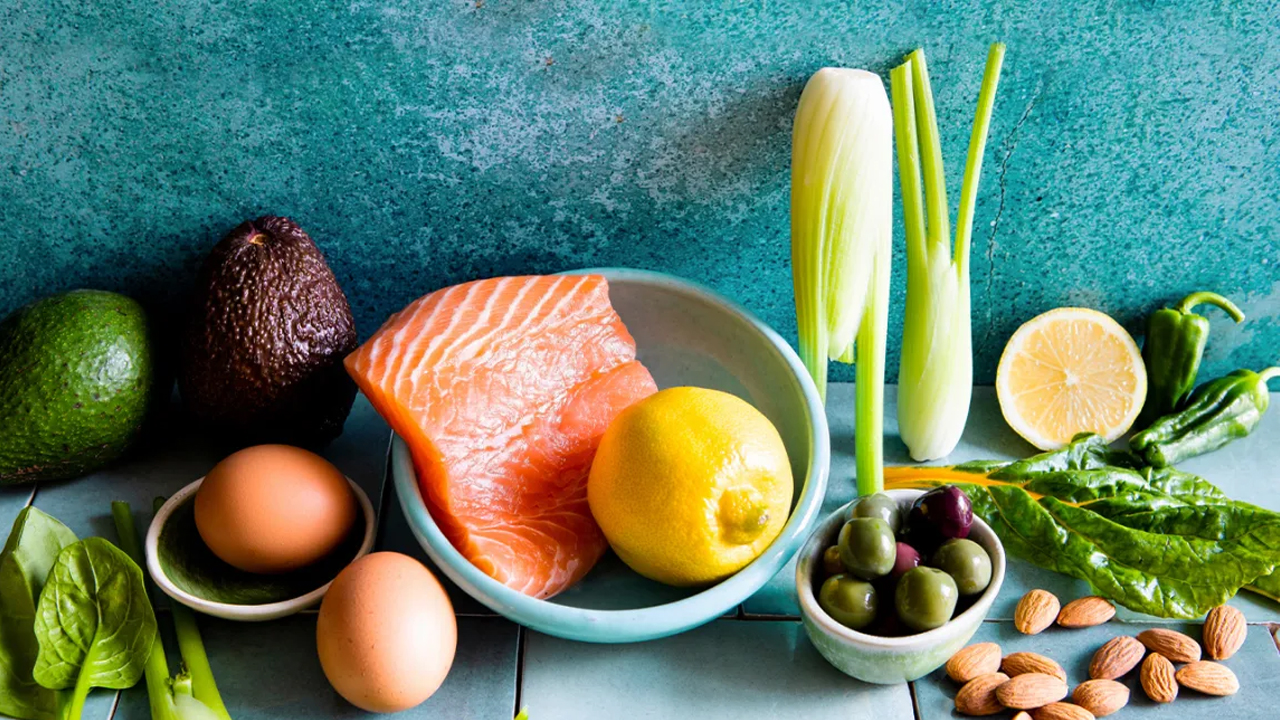
 Diet is a very important part of our lifestyle. We are going to tell you about some important elements of the keto diet. Along with this, we will also tell you how to be cautious when on the keto diet.




Keto Diet is a low-carbohydrate diet. We eat three types of food:
1. Carbohydrates are usually sugar-based.
2. Proteins – which are generally nitrogen-based.
3. Fats- Which have good and bad cholesterol
Carbohydrates – Our diet contains the highest level of carbohydrates. For example, rice, roti, vegetables, and all kinds of sweets, are carbohydrates.
Proteins – Non-vegetarian foods include chicken, mutton, fish, and eggs. In the vegetarian food, lentils, pulses, and water, followed by veg protein come in place.
Fats – Fats that contain all kinds of oily things, such as ghee, refined, etc.
So our diet is a combination of carbohydrates, proteins, and fats. The diet we consume consists of 60-70% carbohydrate, 15-20% protein, and 10% fat.
The ketogenic diet is a low-carbohydrate diet. Most of the calories used in a ketogenic diet are usually from protein and fat. In the case of ketogenic diets, fewer carbohydrates are used, which means that you should eliminate sweets, soda, pastries, bread, and rice from your diet. Because in a ketogenic diet you need to reduce carbohydrates in your diet.
How does the Ketogenic Diet Work?
When you consume less than 50 grams of carbohydrates, the sugar level in your body gradually starts to go down. That is, your body considers carbohydrates as fuel, just like a car runs on petrol, in the same way, your body considers carbohydrates as fuel. If you eat fewer carbohydrates then the fuel level in your body will be low. Whenever the fuel level in our body is low then our body will start using alternative fuel which will take 3 to 4 days.
How to lose weight on a keto diet?
This means that if you consume less than 50 grams of carbohydrates and if you consume the right amount of protein and fat, then after 3 to 4 days your body will start using protein and fat as fuel. . If your body starts using fat and protein as fuel, it will start breaking down the fat in your body. That's when your body starts breaking down fat and your body takes calories from it. This diet is called Ketosis or Ketogenic Diet. Because whenever fat starts breaking down, Ketone will be formed and your weight loss process will start when Ketones are formed.
Important Note – But keep one thing in mind a ketogenic diet is a short-term diet plan. It is a scientific diet but a short-term diet. It is important to note that if you eat a ketogenic diet for the rest of your life, it will harm your body.





.jpeg)








.jpg)
.jpg)
.jpg)
.jpg)
.jpg)
.jpg)


.jpg)
.jpg)
.jpg)