 Thursday, October 08, 2026
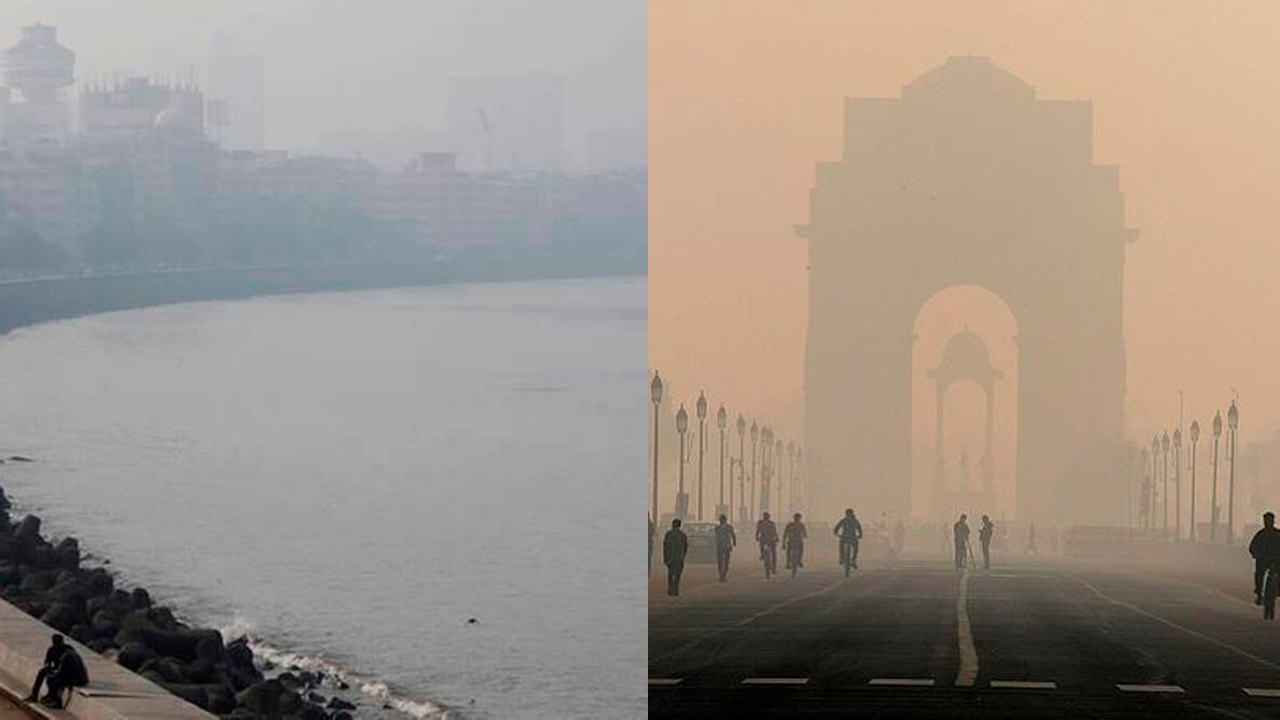
 For the second time this winter, Mumbai recorded worse air than the National Capital of India, Delhi. It has been noted that Delhi reported a poor Air Quality Index for years. Let us check out the details.




According to the System of Air Quality Weather Forecasting and Research, Mumbai’s air quality index at 308 was worse than Delhi’s 262 on Thursday. It has been reported that Mumbai’s AQI was poorer than Delhi's on 15th November too. Air quality is most likely to remain in the poor category due to low wind speed, vehicular pollution, garbage burning, and dust pollution.
Mumbai turns out to be more toxic than Delhi
It has been reported that the onset of winter combined with poor air quality has led to the rise of chronic respiratory illness. This has led to a sudden rise of patients coming up and visiting the doctor’s clinics and hospital OPDs with recurrent colds and coughs. The cough and cold look intense and severe in some cases which may lead to more than 2 weeks of recovery.
Mumbai’s Air Quality
The Air Quality Index was measured and monitored this Thursday morning. This was regarded as “very poor.” The AQI of Mumbai was 315 which was way higher than Delhi’s AQI at 263 which falls under the “poor category.”
According to SAFAR (System of Air Quality and Weather Forecasting and Research), Mumbai's air quality is worse than Delhi's air quality. As AQI becomes worse, it has been advised to take proper precautionary measures like wearing masks, especially for those who are prone to respiratory illness.
What precautions should one take to prevent respiratory illness due to pollution?
There are many studies that have linked cardiovascular events to air pollution. This is commonly seen in cardiac comorbidities. The important measures which must be taken to prevent respiratory illness due to air pollution are as follows-
- Wear masks (preferably high-efficiency masks) such as N-95 or K-95
- Avoid spending a lot of time outdoors, especially during high air pollution
Not following these precautionary measures may not only affect respiratory health but can also have a major impact on cardiac and brain health. It is important to remember that lack of oxygen can affect the following main systems-
- The cardiac system causes chest pain and shortness of breath
- The respiratory system causes colds and cough
- Nervous and brain systems cause loss of memory and difficulty in concentration due to lack of oxygen to brain cells
- The immune system causes weakness, fatigue, and decreased ability to work





.jpeg)










.jpg)
.jpg)
.jpg)
.jpg)
.jpg)
.jpg)


.jpg)