 Saturday, October 10, 2026
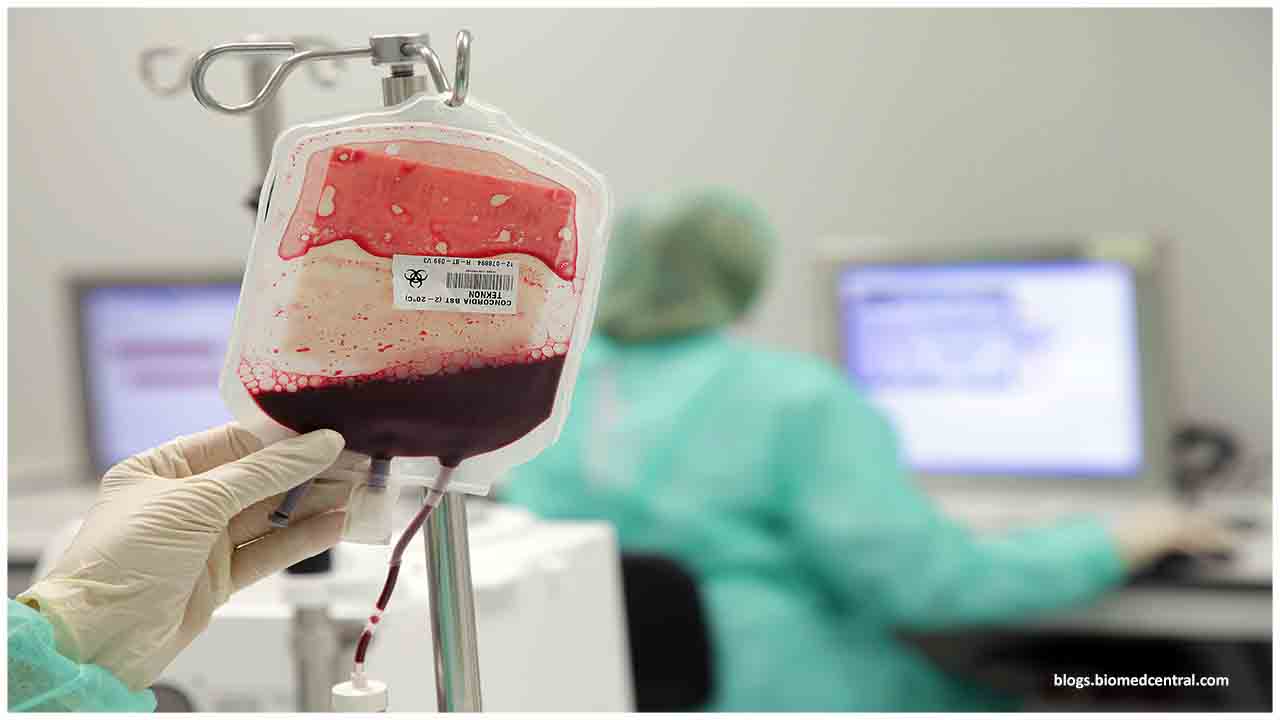
 Hospitals have resumed elective surgeries and many Americans are venturing out of their homes again, but the rate of donations has yet to bounce back.




As fights and savagery emit in urban communities, the United States faces another danger: The nation is coming up short on blood.
A while of social separating and stay-at-home requests have brought about fewer individuals giving blood, as indicated by medicinal services laborers, with assortment drives at workplaces, schools and places of worship dropped altogether. For some time, the drop in gifts was not basic since gracefully and request fell couple as most medical procedures were dropped and far fewer individuals were getting harmed in vehicle crashes and different mishaps.
However, presently, even as medical clinics have continued elective medical procedures, and numerous Americans are wandering out of their homes once more, the pace of blood gifts still can't seem to bob back. The outcome is the thing that Chris Hrouda, leader of biomedical administrations for the American Red Cross, which gathers around 40 percent of the nation's blood gifts, called a "faltering" drop-in gracefully.
"Our inventories have been sliced down the middle," Mr. Hrouda said. "We're beginning to get into a basic circumstance."
As request continues ascending the nation over, tropical storm season, anticipated to be significantly more pulverizing than expected, may likewise expand the requirement for blood supplies. Numerous exceptional tempests may likewise make it harder to gather.
The Red Cross, which typically has enough blood supplies to address the country's issues for five days, presently has under two days' worth, Mr. Hrouda said. Accordingly, the gathering on Sunday quit sending clinics around the nation everything of blood mentioned in their standing requests, rather giving only 75 percent of the solicitations.
In the event that Gifts don't increment in the following week or two, Mr. Hrouda included, the Red Cross should cut that sum much further, sending clinics simply a large portion of their mentioned sums. He said the Red Cross was all the while satisfying crisis orders.
"It places clinics and specialists in the tricky situation of choosing who gets blood," Mr. Hrouda said.
Further irritating the lack, said Brian Gannon, CEO of the Gulf Coast Regional Blood Center in Texas, is that numerous emergency clinics are performing medical procedures at a much quicker clasp than before the pandemic as they attempt to work through the accumulation of activities.
"Slow down on your electives," Mr. Gannon said he had told them about a hundred clinics that get blood from his middle.
Probably the most critical kinds of blood are in considerably shorter flexibly. The most significant is Type O-contrary, which can be given to any individual, paying little mind to their blood classification — and is along these lines particularly helpful for patients who can hardly wait for specialists to decide their blood classification.
Mr. Gannon said he as a rule had a three to multi-day gracefully of Type O red platelets. Presently he has only a couple of days' worth.
The drop has just begun to convolute the employments of crisis rooms specialists, as indicated by Mark S. Rosenberg, executive of crisis medication at St. Joseph's Health in Paterson and Wayne, N.J., and president-elect of the American College of Emergency Physicians.
"We're running fundamentally low in certain blood classifications like O-negative," Dr. Rosenberg said. "I get about a portion of what I need."
For the time being, crisis rooms can utilize workarounds, for example, postponing methodology sufficiently long to discover a patient's blood classification.
In any case, that will just work for such a long time, Dr. Rosenberg forewarned.
"We're in an emergency that possibly can truly heighten," he said. "On the off chance that this proceeds, we're going to put patients in danger."
Michelle Hood, ahead of working officer for the American Hospital Association, said the nation's clinics "are fundamentally mindful of the likely ramifications of deficiencies of blood."
"We have not yet known about blood flexibly issues affecting patient consideration," Ms. Hood said. All things considered, she stated, emergency clinics are asking individuals to give.
Storm season frequently expands the interest for blood and will make the issue considerably all the more testing, specialists cautioned.
Elizabeth A. Zimmerman, who ran catastrophe tasks for the Federal Emergency Management Agency during the Obama organization, said a few sorts of tempests can prompt an inundation of individuals who need clinical assistance. She referred to what she called "spring up typhoons," which quicken rapidly thus may not give individuals sufficient opportunity to empty.
Crisis chiefs urge individuals to help survivors by giving blood during and after fiascos, Ms. Zimmerman said. In any case, this year, she included, that message probably won't have similar outcomes.
Nearby wellbeing authorities cautioned that the deficiency has made it harder to prepare for storms and different fiascos.
"We're entering these seasons where we know there's ordinarily more strain on the blood gracefully," said Adriane Casalotti, head of government and open issues for the National Association of County and City Health Officials, which speaks to around 3,000 nearby wellbeing offices. "You need to be prepared for a flood of patients."
Asked how the central government was planning for the effect of a blood deficiency on the current year's catastrophes, FEMA alluded inquiries to the Department of Health and Human Services, which didn't react.
The mix of developing interest from emergency clinics proceeded with limits on normal blood drives and, projections recommend, a terrible tempest season makes it even more significant for individuals to give blood, said Mr. Hrouda of the Red Cross, before the gracefully falls significantly further.
He said the Red Cross finds a way to guarantee the security of its gift destinations — requiring the utilization of veils, taking the temperature of givers, and cleaning all the hardware. He encouraged individuals to get back prone to give.
"We're attempting to maintain a strategic distance from one more emergency in the nation," he said. "We have enough on our hands."





.jpeg)










.jpg)
.jpg)
.jpg)
.jpg)
.jpg)
.jpg)


.jpg)