 Thursday, October 08, 2026
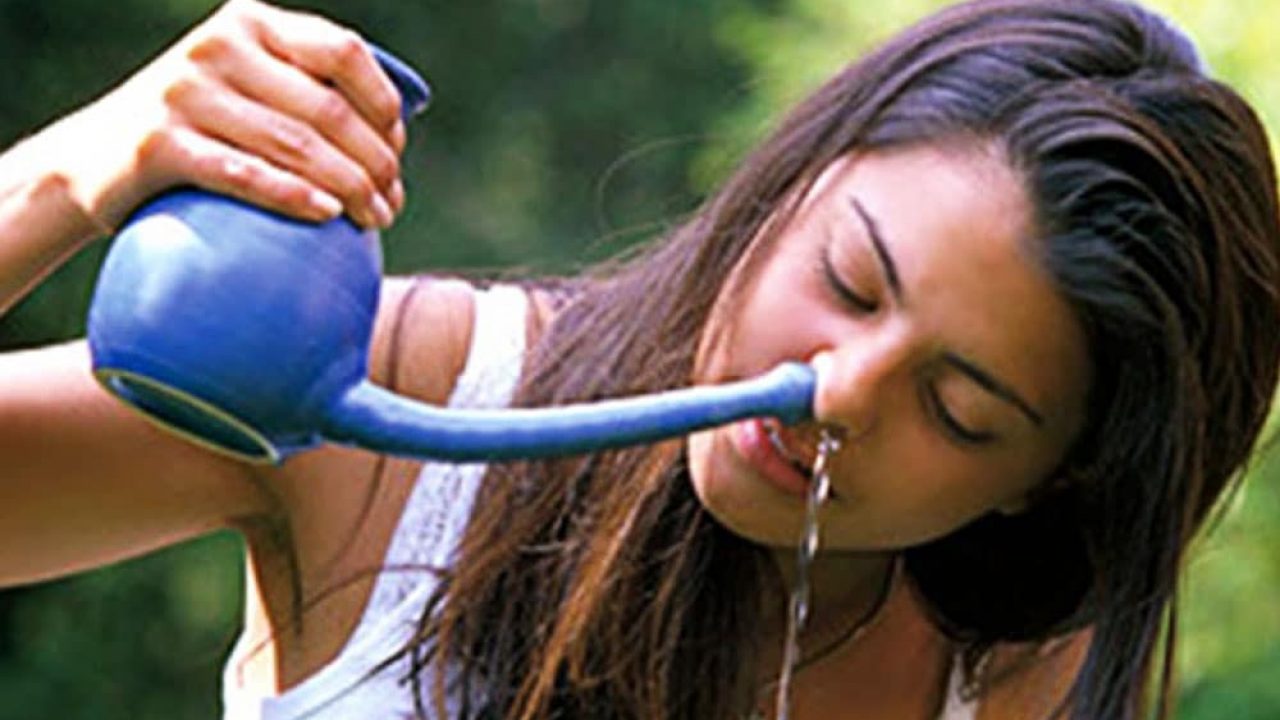
 Nasal hygiene is very important as it is linked to many conditions like sinusitis, migraine, allergies, and asthma. Jal Neti is used to cleanse the sinuses (nasal hygiene). This technique helps us to unblock the breathing passage and promote healthy respiration.





Jal means ‘water’ and Neti means ‘to guide’. Jal Neti means guiding water through the nasal passages to cleanse them. This technique is used to cleanse the sinuses (nasal hygiene) just like we do a brush for cleaning the teeth (dental hygiene). This technique helps us to unblock the breathing passage and promote healthy respiration. Nasal hygiene is very important as it is linked to many conditions like sinusitis, migraine, allergies, and asthma. This can be practiced daily. One should avoid doing Jal Neti in case anyone is having any kind of nose infection.
The right way to perform Jal Neti
- Fill the Neti pot with warm water (temperature can be according to your convenience). Water should not be too hot or too cold.
- Mix salt, generally it is 1 teaspoon in half a liter of water. Mix the salt thoroughly till it gets dissolved fully.
- Place the Neti cone of the Neti pot into the right nostril, and seal it to the nostril with a few twists and slight pressure. Try to point out the spout straight up in line with the nasal passage so as to block the tip of the nozzle by the inside of the nose. Open your mouth and breathe gently through the mouth. Do not sniff, swallow, laugh, talk or have any movement of air through the nose while water is flowing through.
- Blow out gently through both nostrils to clear water and mucus from the nose. Blowing it hard will send water up into the ear tubes and sinuses. A slow and soft blow will remove the water in the nose.
- Repeat the steps as above, but with the nose cone entering from the nostril and the flow of water going left to right. After the pot runs dry, stand up, blow out gently through both nostrils and then prepare to dry out the nose.
- If there is still mucus blockage, the whole process may be repeated several times until it clears.
- Do it regularly for effective clear nasal mucus.
Benefits
- It clears out all dirt and bacteria-filled mucus from the nose.
- It is really helpful in respiratory disorders like asthma and bronchitis as this removes all the mucus from the nostrils.
- It cools and relaxes the brain, hence is useful in headaches, migraine, epilepsy, depression, and general mental tension.
- It is useful for eye-associated problems as well. It helps flush the tear ducts encouraging clearer vision and giving a sparkle to the eyes.
- It is beneficial for certain ear disorders like middle ear infections, tinnitus, etc.
- It enhances the eye power and gives a feeling of lightness and clarity to the mind.
- It is helpful for those also who are trying to quit smoking.
(Disclaimer: The content on this site is for informational purposes only, and should not be taken as professional medical advice. Always seek the guidance of your doctor or other health professionals for any questions you may have regarding your health or a medical condition.)





.jpeg)










.jpg)
.jpg)
.jpg)
.jpg)
.jpg)
.jpg)


.jpg)