 Saturday, October 10, 2026
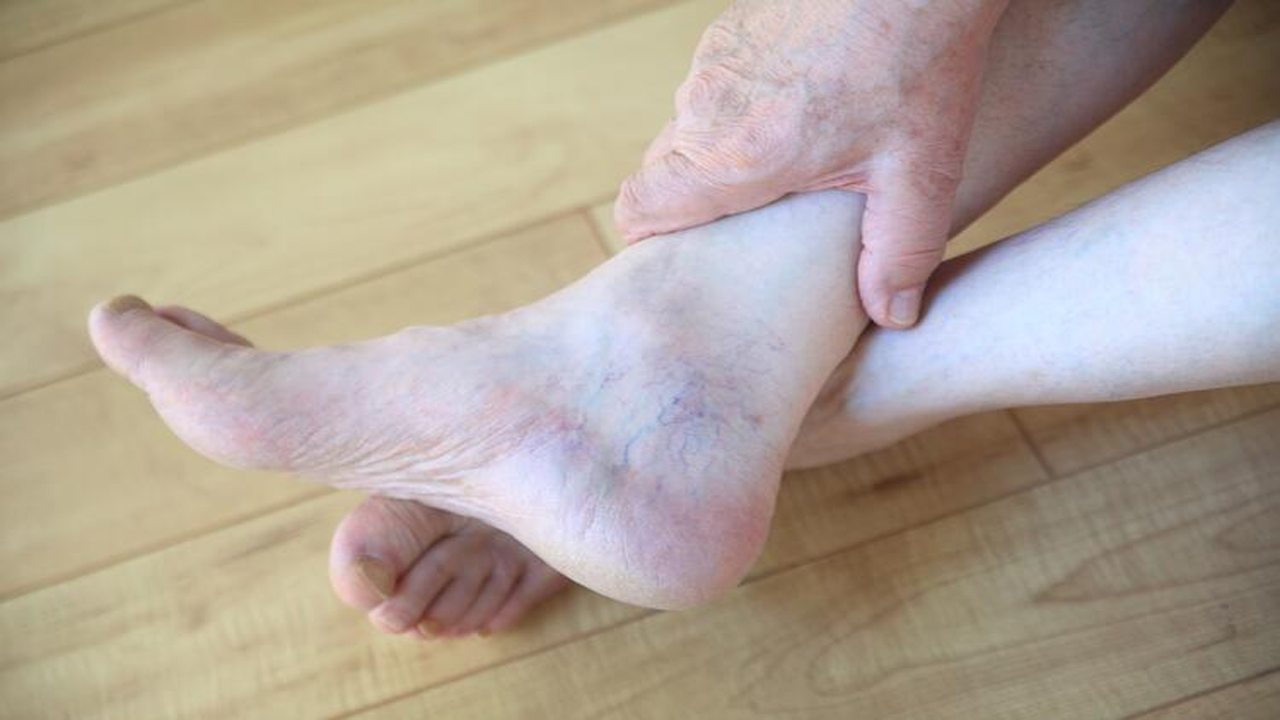
 Spider Veins vs. Varicose Veins




The vascular system is like the highway of the body – composed of blood vessels including arteries, veins, and capillaries. Vascular disease is any condition of almost 100,000 miles of blood vessels in the body; any complication along this highway can cause problems and health risks. In most cases, however, vascular conditions are highly treatable, often without surgery. Two common vein conditions include spider veins and varicose veins, but what are the differences?
Spider Veins vs. Varicose Veins
Spider veins appear towards the surface of the skin and look like spider webs whereas varicose veins can be superficial or appear deeper and have a three-dimensional appearance. Veins can become more apparent as we age because of damaged thinning skin and aging blood vessels. Spider veins stay at the surface of the skin and usually don’t result in serious problems. Varicose veins, however, may need to be treated by a vascular specialist.
“Varicose veins are not necessarily a medical issue, unless they happen to be painful, achy or inflamed,” said Eric Hager, associate professor of surgery and chief of vascular surgery at the University of Pittsburgh Medical Center.“Varicose veins are a kind of chronic problem that often requires – because they can be recurrent – multiple interventions.”
Varicose veins are large bulging veins in the legs that can cause many different symptoms. They may appear lumpy or twisted and are usually purple or red. Almost anyone can have varicose veins, which affect up to 35 percent of people in the United States. It is common to inherit a tendency to develop varicose veins and although they are more common in women, men can also develop the condition. Those at higher risk for developing varicose veins include women, women who have had multiple children, the obese, and people who have undergone hormonal treatments.
With varicose veins, poorly functioning valves allow blood to pool in the lower leg and cause symptoms. These include itching, swelling, burning, leg heaviness or tiredness, or skin discoloration. Symptoms typically worsen throughout the day. Sometimes, varicose veins clot and become painful, hot, hard, and discolored.
Spider veins result from burst blood vessels or damaged veins which are painless. They do not cause health problems though some people are bothered from a cosmetic standpoint. It is possible to help improve the appearance of spider veins or remove them altogether. Managing the appearance of spider veins or preventing them from getting worse is possible. A range of treatments can remove spider veins or reduce their appearance.
Below are a few tips for vein management:
- Keep a healthy weight to reduce pressure on the veins
- Wear compression stockings to relieve symptoms such as aching or swelling
- Elevate the legs to help prevent blood from pooling
- Keep moving and get regular exercise and remember to walk around every 30 minutes
- Limit the amount of alcohol consumption as such consumption can cause broken blood vessels
Make a doctor’s appointment if you have these symptoms:
- Large varicose veins in the thighs, legs, and/or ankles
- Swelling in legs or ankles
- Skin changes around the lower legs and ankles, especially tight or darkening skin
- Leg cramps or spasms
- Painful, open sores on ankles or legs
Vascular surgeons provide comprehensive care for vascular disease and are highly trained specialists who manage vascular disorders from diagnosis to medical management, to non-surgical solutions, along with routine checkups and surgery. Most vascular conditions are highly treatable. When surgery is needed, vascular surgeons are trained in all types of interventions, including non-invasive and office-based procedures. Most procedures for varicose veins and venous diseases can be performed in the office with minimal downtime. It is important to see a vascular surgeon, even when surgery is not needed. A primary care physician can offer referrals.
If you have a specific question about your vascular health, remember to consult your doctor.
About the Society for Vascular Surgery
The Society for Vascular Surgery is the leading not-for-profit, professional medical society on establishing causes and treatments for vascular disease. SVS seeks to advance excellence and innovation in vascular health through education, advocacy, research, and public awareness and is composed of specialty-trained vascular surgeons who are dedicated to providing comprehensive care for vascular disease.





.jpeg)










.jpg)
.jpg)
.jpg)
.jpg)
.jpg)
.jpg)


.jpg)