 Thursday, October 08, 2026
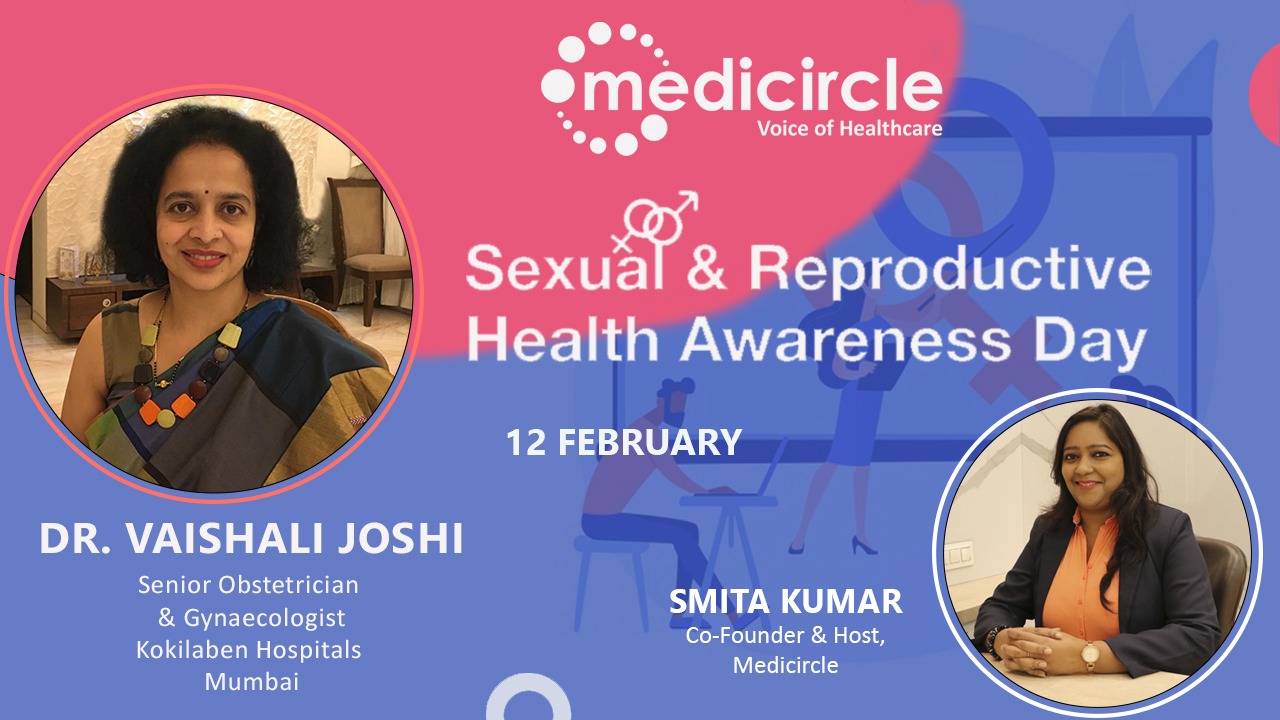
 Dr. Vaishali Joshi, Senior Obstetrician & Gynaecologist provides action points for our Young India so that they grow up with relevant sexual information and in a safe and secure society.





According to WHO, Reproductive and Sexual Health is very important for the overall wellbeing of every couple, family, and all communities. People should be well educated about sexual health so that Sexually Transmitted Diseases (STDs) can be avoided. Every person has a right to make decisions in regard to their sexual and reproductive health with help of an expert. Medicircle brings forward a series on sexual and reproductive awareness by speaking to eminent personalities working in the field of sexual and reproductive health.
Dr. Vaishali Joshi is a senior Obstetrician & Gynaecologist at Kokilaben Ambani Hospital, Mumbai. With over 25 years of experience, Dr. Joshi holds an MD in Obstetrics & Gynaecology from King Edward Memorial Hospital and Seth Gordhandas Sunderdas Medical College, Mumbai, a DNB in Obstetrics & Gynaecology from the Delhi National Board, New Delhi. She has been felicitated & bestowed FRCOG by The Royal College, the U.K for her 14 years of contribution in the field of Obstetrics & Gynaecology at an International level.
Her work involves a good mix of advanced laparoscopy & hysteroscopic surgeries & high-risk obstetrics. Moreover, her expertise involves managing early pregnancy problems, recurrent miscarriages and tubal and ovarian cyst problems, high-risk pregnancy with evidence-based medicine, and thereafter promote natural childbirth. Her high-risk cases involve severe pre-eclampsia, corrected rheumatic & congenital heart disease, gestational diabetes, autoimmune disease like SLE, and extreme prematurity.
Reproductive Health Encompasses Physical, Mental, and Social Health
Dr. Joshi provided insight on reproductive health by mentioning that it encompasses a complete state of health that involves the physical, mental, and social health of an individual. Though reproductive health does not enjoy a wide spectrum in this male-dominated society but should not be neglected at all.
Reproductive Health and Social Stigma
Dr.Joshi pointed out that there is a social stigma about reproductive health for example having a basic understanding of contraception is also sort of a taboo creating inhibitions in people. These prejudices have led to lack of education on reproductive health. Young people and adolescents have a lot of sexual curiosity but lack of knowledge might prove damaging. This can lead to problems such as unprotected sex or sexually transmitted Infections (STIs). Neglecting and hiding such infections can lead to long-term complications like HIV. Hence social stigma should be addressed and proper knowledge about sexual health and infections should be generated to the people.
Lack of Knowledge Can be Fatal to Offspring
Dr. Joshi puts emphasis on women’s health by highlighting that “Ignorance of Sexual Transmitted Infections (STIs) in women can complicate matters during pregnancy and not only this there are chances of such disease getting transmitted from a woman to her child in the process of childbirth.”
Dr. Joshi is of the opinion that we should empower girls and women by making available relevant sexual information to them in order to address their curiosities as well as prevent them from getting infected by sexually transmitted diseases. Since internet information might be misleading, such information should come to them through reliable sources.
Assurance of Confidentiality Would Bring Women Forward
Dr.Joshi mentions that women are vulnerable to their personal information. Doctors must assure them that they are there to help and treat them and they would keep all information confidential. “A health system should be in place to maintain the confidentiality of women,” says Dr. Joshi.
Women Have the Right to Say “No”
Dr.Joshi emphasizes, “From child marriage to domestic violence, there are many things happening against women which need to be taken care of. Women should be aware of their rights to pregnancy and should have knowledge about contraception. 7 out of 10 women prefer getting pregnant later in life but do not have access to this right to do so. We should promote public health campaigns at grassroots levels for reproductive and sexual health education. Every woman should be aware of her right to safety like using the right contraception. Such rights are very important for controlling and protecting Sexually Transmitted Diseases(STDs),” says Dr. Joshi.
Investments for Young India
Dr. Joshi lists down the following action plans that would work as an investment for our young India and make their future better:
“Knowledge of Sexual Transmitted Diseases STDs Digital Apps for Adolescents for their Safety Access to Experts who can provide the relevant information Awareness about sexual health Helpline services Healthy Society, “says Dr. Joshi
(Edited by Dr. Rati Parwani)





.jpeg)








.jpg)
.jpg)
.jpg)
.jpg)
.jpg)
.jpg)


.jpg)
.jpg)
.jpg)