 Wednesday, October 28, 2026
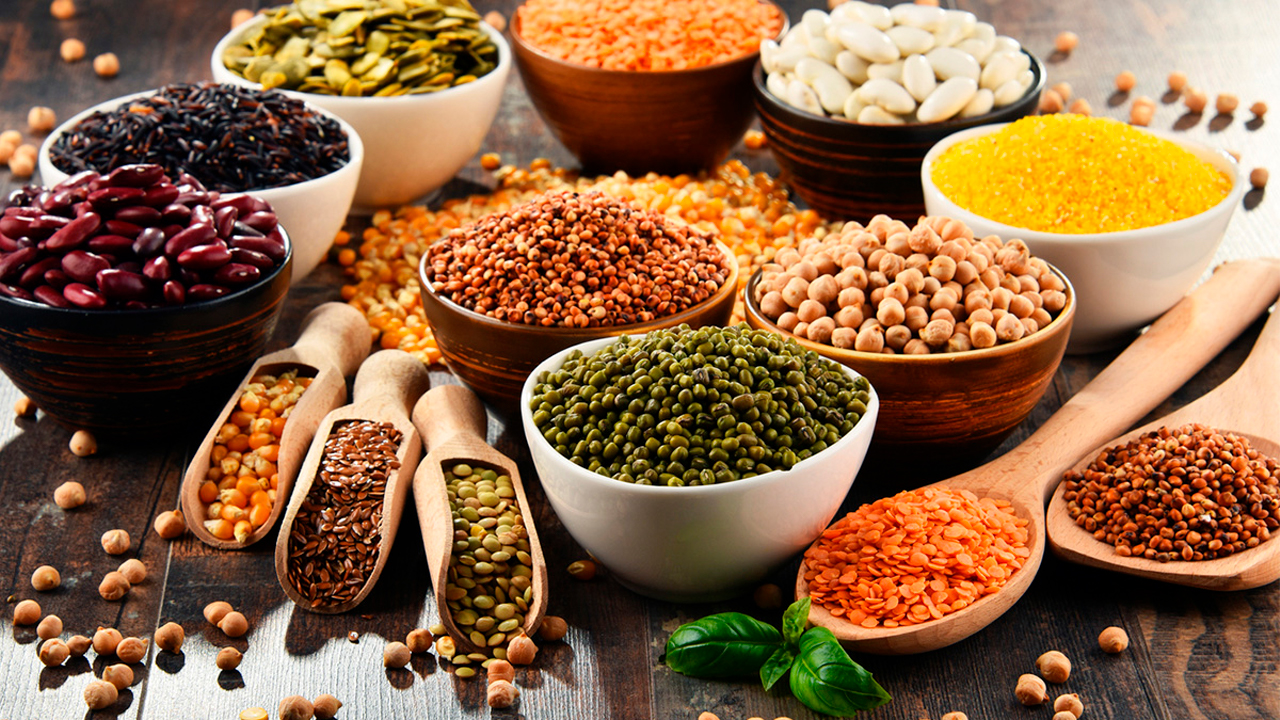
 In India, pulses are a part of the cultural heritage and are consumed on a regular or even daily basis. However, these tiny, multi-colored seeds have been one of nature’s nutritious foods. Let’s discover some surprising health benefits of including pulses in daily diet.





In India, pulses are a part of the cultural heritage and are consumed on a regular or even daily basis. However, these tiny, multi-colored seeds have been one of nature’s nutritious foods. Let’s discover some surprising health benefits of including pulses in daily diet.
1. Low fat and no cholesterol - Pulses are naturally low in fat and contain no cholesterol, which can contribute to reducing the risk of cardiovascular diseases.
2. Low in sodium - Pulses are also low in sodium. High sodium is a contributor to hypertension and can be sidestepped by consuming foods with lower sodium levels such as pulses.
3. Excellent source of iron - Pulses are a great source of iron. Cases of iron deficiency or anemia are very high in Indian females and mostly pregnant females. It is considered one of the most prevalent forms of malnutrition. For better absorption of iron in our bodies through pulses, do combine them with foods containing vitamin C like lemon.
4. Plant-based protein - Pulses are a great source of plant-based protein. You will be surprised to know that 100 grams of dry lentils contain a remarkable 25 grams of protein. During cooking, pulses absorb considerable amounts of water thus reducing their protein content to around 8 %. Still, you can increase the protein quality of cooked pulses by simply combining them with cereals in your meal, for example, lentils with rice.
5. Rich in potassium - Pulses are high in potassium, which supports heart health and plays an important role in digestive and muscular functions.
6. High fiber - Pulses are among the top high fiber-containing foods, significant for supporting digestive health thereby supporting overall body functions.
7. Rich in folate - Pulses are an excellent source of folate – a B vitamin naturally present in many foods, that is essential for the proper functioning of the nervous system function and especially important during pregnancy to prevent fetal defects.
8. Low glycemic index - Pulses are among those foods which have a low glycaemic index. They help to stabilize blood sugar and insulin levels, making them appropriate for people with diabetes and ideal for weight management.
9. Gluten-free pulses - Finally, pulses are naturally gluten-free. This makes them an ideal option for coeliacs.
10. Pulses can be stored for a long time and therefore can help to increase the diversity of diets, especially in developing countries.




-23-300x250.png)

.jpeg)







.jpg)
.jpg)
.jpg)
.jpg)
.jpg)
.jpg)
.jpg)
.jpg)
.jpg)

