 Thursday, October 08, 2026
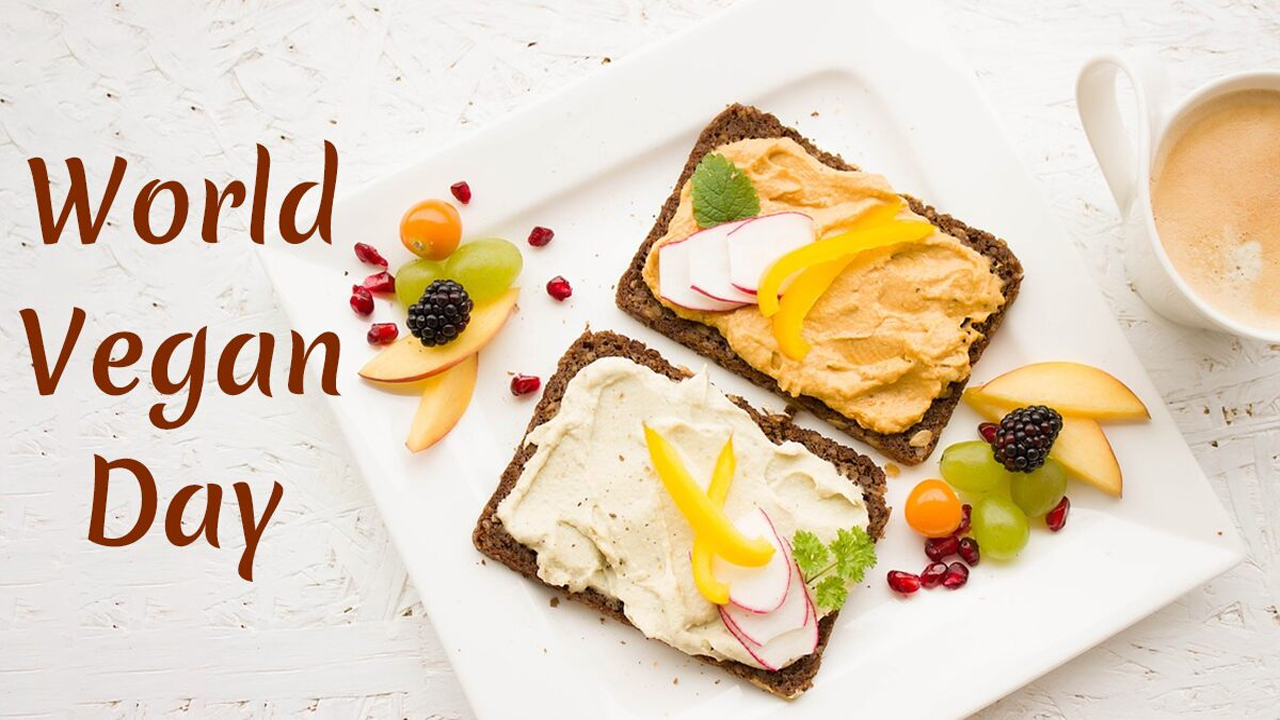
 Veganism is at present characterized as a method of living that endeavors to prohibit all types of animal abuse and cruelty be it from food, apparel, or some other reason.




Veganism is getting progressively common nowadays. In the past years, many social media influencers, celebrities, and the common people have gone vegan.
But what does this eating regime include and what you can and can't eat on a vegan diet? To answer this question let’s understand what is Veganism first.
What is veganism?
The expression "vegan" came up in 1944 by a small gathering of vegans who split away from the Leicester Vegetarian Society in England to frame the Vegan Society. They decided not to eat dairy, eggs, or some other results of animal sources. The term "vegan lover" was picked by joining the first and last letters of "vegetarian"
Veganism is at present characterized as a method of living that endeavors to prohibit all types of animal abuse and cruelty be it from food, apparel, or some other reason.
Reasons why individuals go vegan?
Vegans by and large decide to stay away from animal items for at least one of the accompanying reasons:
- Morals
Moral vegan firmly accepts that all animals reserve the option to life and opportunity. Along these lines, they contradict finishing a cognizant being's life essentially to consume its meat, drink its milk, or wear its skin — particularly in light of the fact that options are accessible. Moral vegetarians are additionally contradicted to the mental and actual pressure that animals may suffer because of current cultivating procedures, for example, moral vegan lovers hate the little pens and confines wherein numerous animals live and regularly infrequently leave among birth and slaughter.
Also, numerous vegan lovers stand in opposition to the cultivating business' practices, for example, the pounding of live male chicks by the egg business or the coercively feeding of ducks and geese for the foie gras market.
Moral vegetarians may show their resistance by dissenting, bringing issues to light, and picking items that don't include animal farming.
- Wellbeing
A few people pick veganism for its potential wellbeing impacts. For instance, plant-based eating regimens may diminish your danger of coronary illness, type 2 diabetes, malignancy, and sudden death. Bringing down your admission of animal items may in like manner diminish your danger of Alzheimer's sickness or death from malignant growth or coronary illness.
Some additionally pick veganism to evade the results connected to the anti-biotic and hormones utilized in current animal horticulture. At long last, concentrates reliably interface vegan lover diets to lower body weight and BMI. A few people may pick these eating regimens to get more fit.
- Climate
Individuals may likewise decide to maintain a strategic distance from animal items on account of the natural effect of animal farming. A 2010 United Nations (UN) report contended that these items by and large require more assets and cause higher ozone-depleting substance discharges than plant-based alternatives. For example, animal farming adds to 65% of worldwide nitrous oxide emanations, 35–40% of methane discharges, and 9% of carbon dioxide outflows. These synthetic compounds are viewed as the three head nursery gasses engaged with environmental change.
Moreover, animal agri-business will in general be a water-concentrated cycle. For instance, 1,700–19,550 liters of water are expected to deliver 0.5 kg of meat. That is up to multiple times more water than is expected to deliver a similar measures of oat grains.
Animal agribusiness can likewise prompt deforestation when forested territories are scorched for cropland or field. This environment pulverization is thought to add to the elimination of different animal species.
What are the types of veganism?
- Dietary vegans - Regularly utilized reciprocally with "plant-based eaters," this term alludes to the individuals who stay away from animal items in their eating regimen yet keep on utilizing them in different items, like clothes or cosmetics.
- Whole food vegans - These people favor an eating regimen wealthy in whole foods, like vegetables, whole grains, fruits and vegetables, nuts, and seeds.
- Junk food vegans - A few people depend vigorously on processed vegan food, for example, vegan meats, fries, frozen meals, or desserts, like frozen non-dairy yogurt or ice creams. Be that as it may, these exceptionally prepared items might be stacked with added substances, oils, and counterfeit fixings.
- Raw food vegans - This gathering eats just nourishments that are raw or cooked up to 48°C temperature.
- Low-fat - raw food vegans. Otherwise called fruitarians, this subset restricts high-fat nourishments, for example, nuts, avocados, and coconuts, rather depending on the most part on the organic products. Different plants are sometimes eaten in limited quantities.
Nourishments that vegan lovers keep away from
Vegan lovers keep away from all nourishments of the animal base. These include:
- Meat
- Chicken
- Fish
- Shellfish
- Eggs
- Dairy
- Nectar
- Casein
- Gelatin
- Pepsin
- Shellac
- Whey
Nourishments containing these fixings incorporate a few sorts of brew and wine, marshmallows, breakfast grains, sticky confections, and biting gum.
Nourishments that vegan lovers eat
Numerous normal dishes are now vegan or can be changed without any problem.
Meat-based entrées are for the most part traded for dinners containing the accompanying:
- Beans
- Lentils
- Tofu
- Tempeh
- Nuts
- Seeds
A few models incorporate vegan burgers, tomato pizzas, smoothies, nachos with salsa and guacamole, hummus wraps, sandwiches, and pasta dishes.
How to replace everyday items with Vegan ones?
- Dairy items with plant milk
- Fried eggs with mixed tofu
- Nectar with plant-based sugars like molasses or maple syrup
- Eggs with flax or chia seeds.
Vegetarians are people who dodge animal items for moral, wellbeing, or ecological reasons — or a blend of the three. All things considered, they eat different plant nourishments, including natural products, vegetables, entire grains, vegetables, nuts, seeds, and items produced using these food sources.
In case you're interested in this eating design, it very well may be simpler to change to veganism than you might suspect. Nonetheless, you might need to consider supplements to guarantee you're getting all the supplements your body requires.





.jpeg)










.jpg)
.jpg)
.jpg)
.jpg)
.jpg)
.jpg)


.jpg)