 Thursday, October 08, 2026
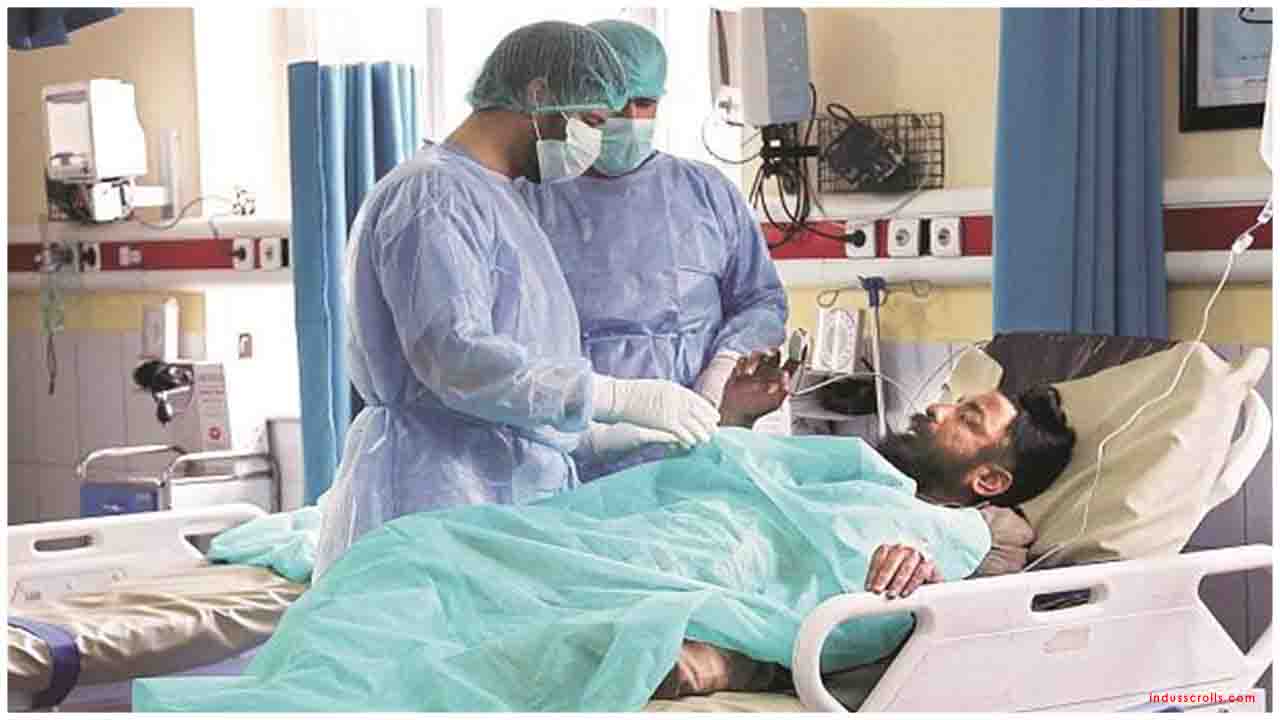
 Doctors say Coronavirus can increase chances of stroke specially young people with severe infections




If you’re a young person infected with COVID-19, you’re more prone to have a stroke, experts say.
According to the researchers, including those from the Icahn School of Medicine at Mount Sinai in the US, COVID-19 infection is a risk factor for acute strokes.
In the study, published in the American Journal of Neuroradiology, the scientists assessed patients presenting to six New York City hospitals for suspicion of stroke between March to April. We conducted a retrospective case-control study of 41 cases and 82 control subjects matched by age, sex, and risk factors," the scientists wrote in the study.
After adjusting for age, gender, and risk factors, the scientists found that COVID-19 infection had a significant independent association with acute ischemic stroke -- caused by a clot that blocks a blood vessel in the brain.
Young COVID-19 patients who begin experiencing the customary stroke signs of numbness or vision problems should get to the hospital immediately, according to experts. Now more than ever it’s imperative you do so, says Dr. Ameer Hassan, head of the neuroscience department at Valley Baptist Medical Center.Hassan expressed concern that many stroke patients aren’t coming to the hospital because they fear exposure to COVID-19.
“A lot less strokes and bleeds are coming in, which is concerning because there’s no evidence to prove that staying home or not working is going to decrease your risk of stroke,” Hassan said. “The trend that’s coming out across the country is that people are having their strokes at home and then either not showing up or ending up dead.”
In a nutshell, between COVID and stroke, the stroke is more serious and should be treated immediately.
“With a stroke, you need to get the IV treatment within three hours or go to the cath lab,” he said. “If you wait too long the tissue is already dead and then that’s it. You’ll never recover from the stroke.”
And forget the preliminary belief that the virus is only a threat to older people.
“It’s more deadly in the older population,” Hassan said. “But the risk of getting it is the same whether young or old.”
He gave special reference to data coming from the New York area.
“What we noticed is that young patients are more likely to be hypercoagulable, which means their blood is thicker,” Hassan said. “They’re more likely to get a stroke if they are COVID positive. It’s very very serious. Young patients get strokes if they are COVID positive and at a much higher rate than they would ever get it normally.”
COVID-19 brings very different health problems depending on the age and health condition of those who test positive, according to Hassan.
SIGNS OF A STROKE
Trouble speaking and understanding what others are saying.
Paralysis or numbness of the face, arm, or leg. This often affects just one side of your body. Also, one side of your mouth may droop when you try to smile.
Problems seeing in one or both eyes.
A sudden, severe headache, which may be accompanied by vomiting, dizziness, or altered consciousness.
Trouble walking or a loss of coordination.
Source: Mayo Clinic






.jpeg)








.jpg)
.jpg)
.jpg)
.jpg)
.jpg)
.jpg)


.jpg)
.jpg)
.jpg)