 Wednesday, November 18, 2026
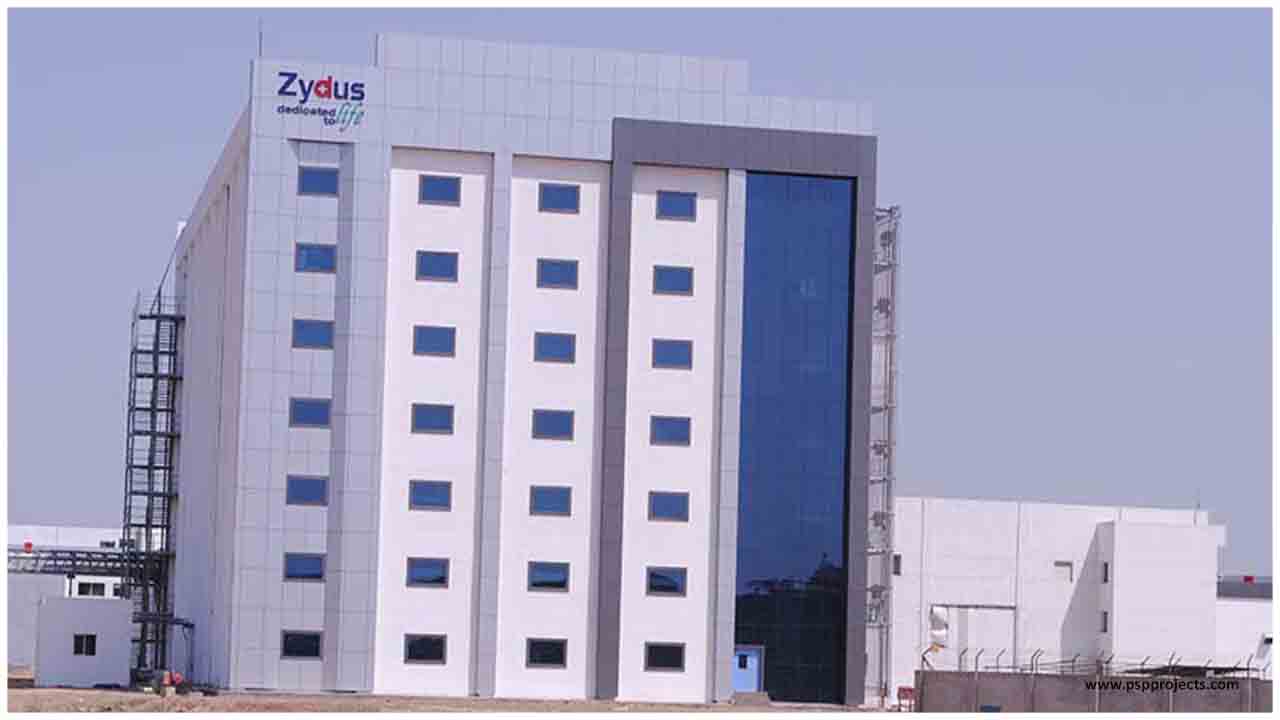
 Human dosing of the vaccine marks a key milestone since the launching of the accelerated vaccine development programme for COVID-19 in February 2020.





Zydus, an innovation-driven global healthcare company, today announced that the Adaptive Phase I/ II human clinical trials of its plasmid DNA vaccine, ZyCoV-D commenced today with the first human dosing. The Adaptive Phase I/II dose-escalation, the multi-centric study will assess the safety, tolerability and immunogenicity of the vaccine. The human dosing of the vaccine marks a key milestone since the launching of the accelerated vaccine development programme for COVID-19 in February 2020.
Speaking on the development, Chairman, Zydus Cadila, Mr. Pankaj R. Patel said, “This is an all important step in our fight against COVID-19. We acknowledge the support of National Biopharma Mission, BIRAC, Department of Biotechnology, Govt. of India and regulatory agencies ICMR and DCGI in the development of ZyCoV-D vaccine candidate. We look forward to the Adaptive Phase I/IIclinical studies and gathering important data on ZyCoV-D in the months ahead.”
In the Adaptive Phase I/ II clinical trials, Zydus will be enrolling over 1000 subjects across multiple clinical study sites in India. The Company has already manufactured clinical GMP batches of the vaccine candidate for the clinical trials. About ZyCoV-D In the pre-clinical phase, the vaccine was found to elicit a strong immune response in multiple animal species like mice, rats, guinea pigs and rabbits. The antibodies produced by the vaccine were able to neutralize the wild type virus in virus neutralization assay indicating the protective potential of the vaccine candidate.
No safety concerns were observed for the vaccine candidate in repeat-dose toxicology studies by both intramuscular and intradermal routes of administration. In rabbits, up to three times the intended human dose was found to be safe, well-tolerated and immunogenic. With ZyCoV-D, the Company has successfully established the DNA vaccine platform in the country using non-replicating and a non-integrating plasmid carrying the gene of interest making it very safe. Further, with no vector response and with the absence of any infectious agent, the platform provides ease of manufacturing the vaccine with minimal biosafety requirements (BSL-1). The platform is also known to show much-improved vaccine stability and lower cold chain requirements making it easy for transportation to remotest regions of the country. Furthermore, the platform can be rapidly used to modify the vaccine in a couple of weeks in case the virus mutates to ensure that the vaccine still elicits protection.
Zydus Cadila is a leading Indian Pharmaceutical company and a fully integrated, global healthcare provider. With in-depth domain expertise in the field of healthcare, it has strong capabilities across the spectrum of the pharmaceutical value chain. From formulations to active pharmaceutical ingredients and animal healthcare products to wellness products, Zydus has earned a reputation amongst Indian pharmaceutical companies for providing comprehensive and complete healthcare solutions.





-23-300x250.png)





















