 Saturday, November 21, 2026
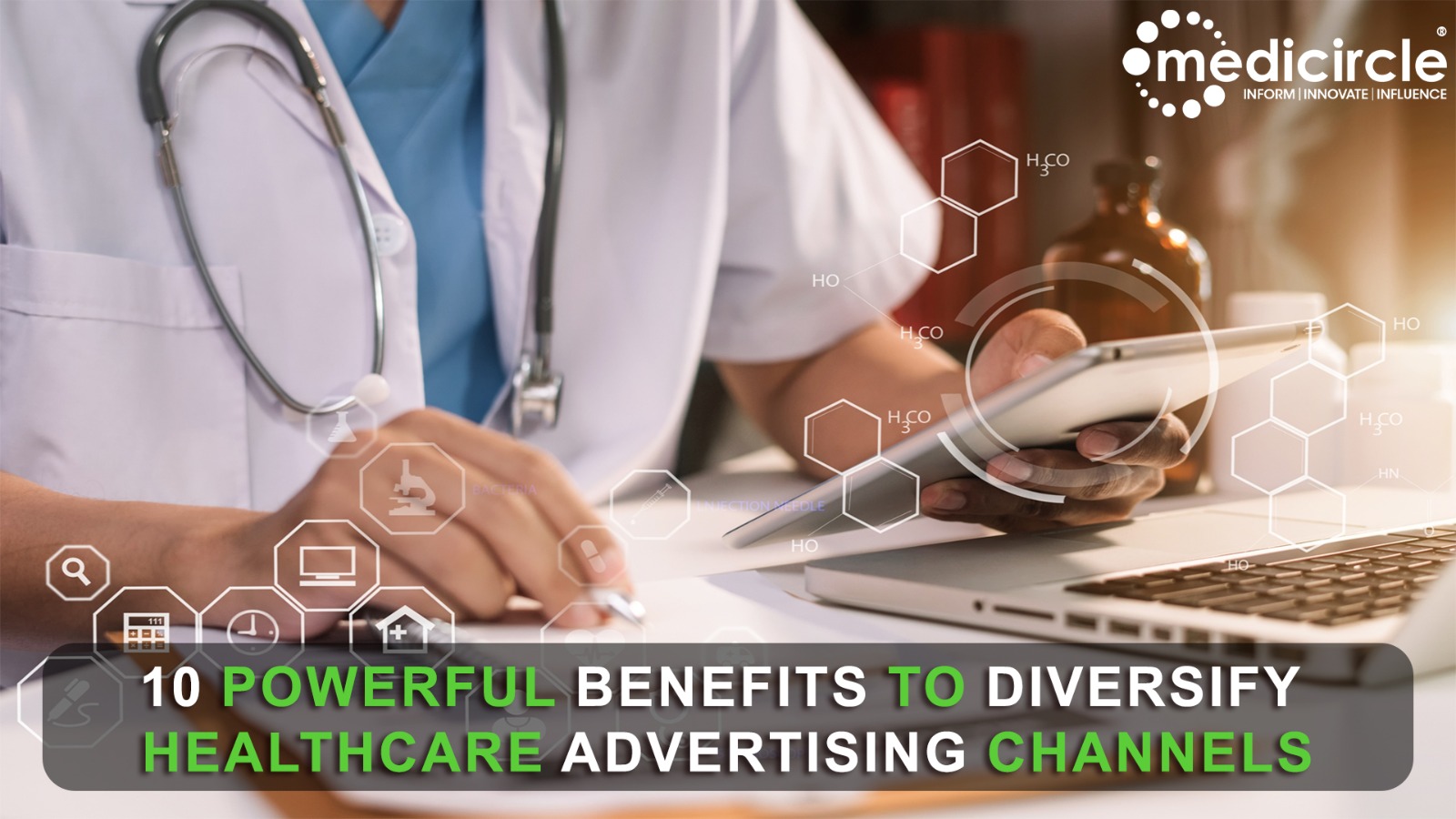
 Diversifying healthcare advertising channels can lead to broader reach, increased engagement, and more effective communication with patients, ultimately contributing to better healthcare outcomes.





10 Powerful Benefits to Diversify Healthcare Advertising Channels
In today's digital age, diversifying healthcare advertising channels is essential for reaching and engaging diverse patient populations effectively. Healthcare providers and organizations can no longer rely solely on traditional advertising methods but must embrace a multi-channel approach to stay competitive in the industry. Diversification involves leveraging various online and offline platforms to communicate with patients, promote services, and build brand awareness.
One of the primary benefits of diversifying healthcare advertising channels is increased reach. By utilizing a mix of channels such as social media, search engine marketing, email marketing, print media, and television, healthcare organizations can extend their reach to a wider audience. This allows them to connect with patients across different demographics, geographical locations, and communication preferences.
Diversifying healthcare advertising channels offers numerous benefits:
- Increased Reach: Reaching a wider audience across various platforms and mediums.
- Targeted Marketing: Tailoring messages to specific healthcare demographics or patient segments.
- Enhanced Brand Visibility: Building a stronger presence in the healthcare industry through multiple channels.
- Improved Patient Engagement: Providing more opportunities for patients to interact with healthcare content.
- Better Patient Experience: Offering a seamless journey across different channels for patients seeking information or services.
- Adaptability: Being able to adjust advertising strategies based on the performance of different channels.
- Risk Reduction: Spreading advertising efforts across multiple channels minimizes reliance on any single platform.
- Data Insights: Gathering valuable data from different channels to inform future marketing decisions.
- Competitive Advantage: Differentiating healthcare brands by being present on a variety of platforms.
- Cost Efficiency: Optimizing the mix of channels to maximize return on investment and reduce advertising costs.
Diversifying healthcare advertising channels can lead to broader reach, increased engagement, and more effective communication with patients, ultimately contributing to better healthcare outcomes.
Overall, diversification of healthcare advertising channels offers numerous benefits, including increased reach, targeted marketing, enhanced brand visibility, better patient engagement, and improved patient experience. By leveraging a mix of online and offline platforms, healthcare organizations can effectively communicate with patients, promote services, and drive positive health outcomes.
Medicircle maximizes healthcare advertising impact through diversified channels, spanning social media, search engine marketing, print media, and more. This multi-faceted approach enhances brand visibility, engages diverse patient populations, and fosters personalized interactions, ultimately optimizing patient engagement and driving positive health outcomes.




-23-300x250.png)




















