 Thursday, October 08, 2026
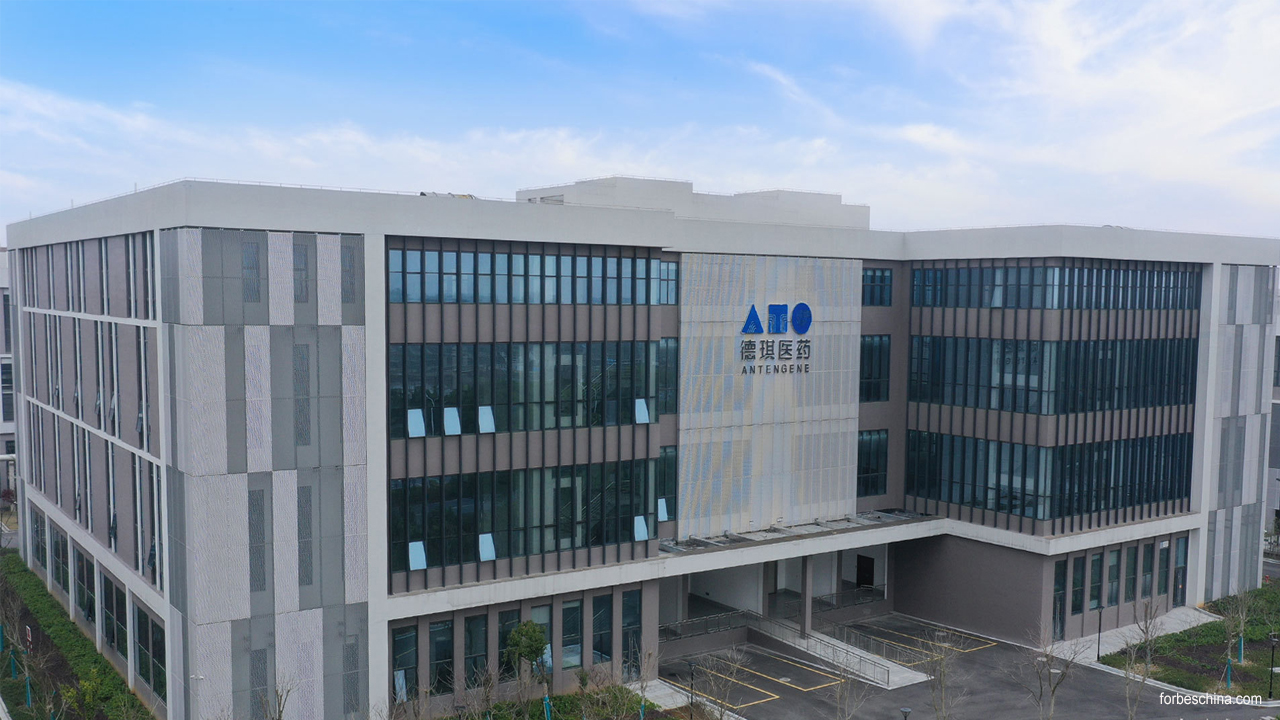
 Antengene announces acceptance of IND application in China for ATG-010 (selinexor) in combination with R-GDP (SR-GDP) for the treatment of rrDLBCL in a global phase 2/3 study




Antengene Corporation Limited , a leading innovative biopharmaceutical company dedicated to discovering, developing and commercializing global first-in-class and/or best-in class therapeutics in hematology and oncology, announced that the National Medical Products Administration (NMPA) has accepted the Investigational New Drug (IND) application for ATG-010 (selinexor) combined with R-GDP (SR-GDP) for the treatment of relapsed/refractory diffuse large B-cell lymphoma (rrDLBCL). The trial is a global Phase 2/3, multicenter, randomized study aiming to evaluate the safety and efficacy of ATG-010 in combination with R-GDP (SR-GDP) in patients with rrDLBCL.
ATG-010 is a first-in-class and only-in-class oral selective inhibitor of nuclear export, developed by Antengene and Karyopharm Therapeutics Inc. In July 2019, the US Food and Drug Administration (FDA) approved ATG-010 in combination with low-dose dexamethasone for the treatment of relapsed/refractory multiple myeloma (rrMM). After its initial approval of rrMM, FDA approved ATG-010 as a single-agent for the treatment of rrDLBCL in June 2020. In China, Antengene is conducting a registrational Phase 2 clinical trial to evaluate the efficacy and safety of ATG-010 in the treatment of patients with rrDLBCL who have received at least 2 but no more than 5 previous systemic regimens and the first patient was dosed in April 2020.
The Phase 2 part of the study aims to identify the optimal dose of ATG-010 (40mg or 60mg) in combination with R-GDP and will also evaluate the SR-GDP regimen against an active R-GDP comparator arm. The Phase 3 part of the study contains three arms and aims to evaluate the selected optimal dose of ATG-010 in combination with R-GDP for up to 6 cycles followed by continuous ATG-010 (SR-GDP→S) until disease progression versus the selected optimal dose of ATG-010 in combination with R-GDP for up to 6 cycles followed by placebo (SR-GDP→P) until disease progression and versus standard R-GDP with matching placebo for up to 6 cycles followed by placebo (PR-GDP→P) until disease progression. The study will be conducted at multiple international centers across 11 countries, located in China, U.S., Europe, Australia and other locations. Up to 501 patients will be enrolled and treated in the Phase 2/3 study.
"The submission of NDAs for ATG-010 in multiple APAC markets in the past few weeks has marked a significant milestone for Antengene as our lead product candidate, ATG-010, advances towards commercial stage. This IND acceptance of ATG-010 in a new therapy for rrDLBCL marks another important milestone for Antengene, demonstrating our commitment to bringing innovative oncology therapies to cancer patients worldwide." Dr Jay Mei, Founder, Chairman and CEO of Antengene, commented, "We look forward to harnessing the power of Antengeners to extend the lives and improve the quality of life of patients by discovering, developing and commercializing novel therapies."






.jpeg)










.jpg)
.jpg)
.jpg)
.jpg)
.jpg)
.jpg)


.jpg)