 Saturday, November 21, 2026
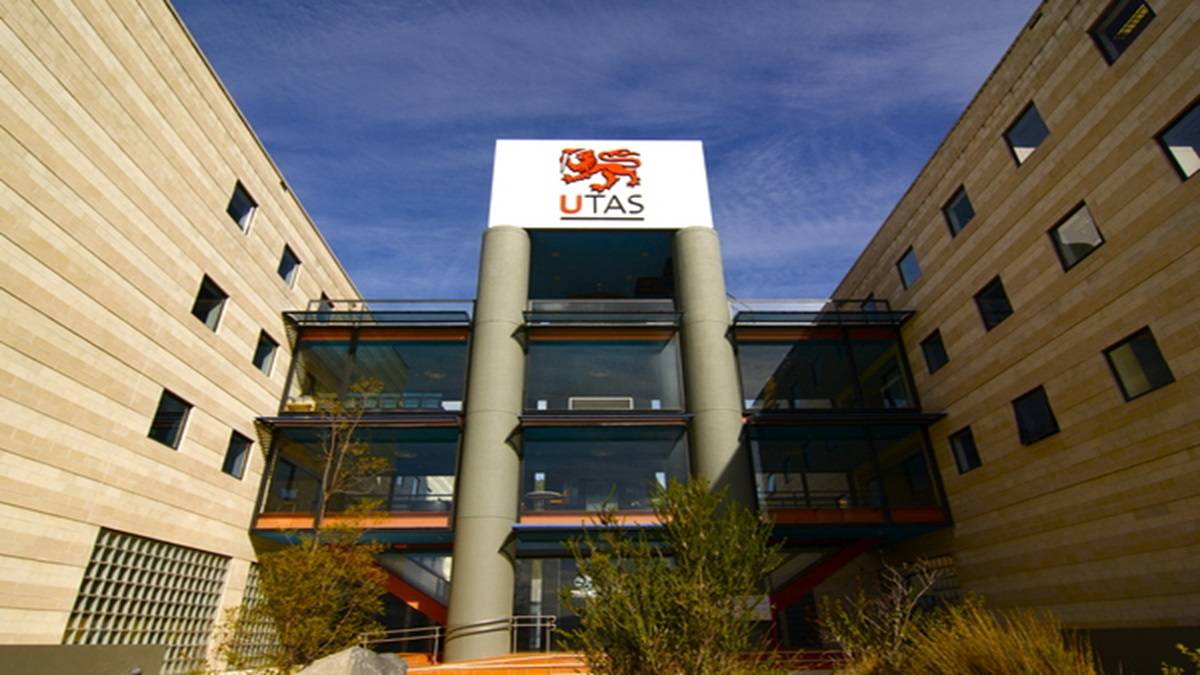
 UTAS provides a diverse range of undergraduate and postgraduate programs across various disciplines, emphasizing real-world learning and global perspectives.





November 14, 2024: The University of Tasmania (UTAS), is now inviting applications for its Master of Marine and Antarctic Science program for 2025.
The course provided by University of Tasmania offers students a doorway to Antarctica and a natural marine laboratory right outside their home. An excellent place to start learning if a candidate wants to work in aquaculture, fisheries, or marine biology. This master's degree is the only one in the world that combines marine science with an emphasis on Antarctica and the Southern Ocean. The Institute for Marine and Antarctic Studies (IMAS) provides world-class facilities, as well as globally renowned professionals, to help students launch their careers.
In addition to academic studies, the Master of Marine and Antarctic Science program offers practical skills that expand a student's expertise and provide them a competitive advantage in the job market. With study trip units that extend learning to the Southern Ocean and Australia's largest fisheries, aquaculture, and seafood industries, this program offers students more than just lectures, labs, and tutorials. Students can also access internationally recognised marine science and ocean governance institutions based in Tasmania, as well as international partner organisations. It also includes a one-year research project in the research stream, an individual project in the professional stream, and the development of employable skills.
Program Delivery: The postgraduate program is provided full-time in English for two years. Eight coursework programs, consisting of four core units and four specialisation units (including Fisheries Management, Governance and Policy, Marine Biology, and Sustainable Aquaculture), are required of first-year students. Students in their second year might choose between a professional stream and research.
Entry Requirements: A Bachelor of Marine and Antarctic Science or Graduate Diploma in Marine and Antarctic Science from the University of Tasmania, or equivalent. An example of an equivalent qualification is a Bachelor of Science with a major in life sciences (such as biology, environmental science, zoology, plant science, marine biology, ecology etc).
English Entry Requirements :
- IELTS (Academic) result with a minimum overall score of 6.0 and no individual band less than 6.0, OR
- TOEFL (iBT) overall score of 72 (no individual skill must be lower than: Reading 16; Listening 16; Speaking 18; and, Writing 22) OR
- PTE Academic overall score of 50 with no score lower than 50
Application Deadline: While there is no deadline, students are expected to apply for their COE 2.5- 3 months prior to the course start date.
Course Start Date:
- Semester 1 - 24 Feb 2025 (All Specialisations)
- Semester 2 - 21st July 2025 (All specialisations)
Tuition: $94,813 AUD Approximately
How to Apply: https://www.utas.edu.au/study/apply
ABOUT THE UNIVERSITY OF TASMANIA:
The University of Tasmania (UTAS) is one of Australia’s most prestigious universities, renowned for its commitment to academic excellence and impactful research. Located in Tasmania, it offers a dynamic learning environment with campuses in Hobart, Launceston, and the Cradle Coast, as well as offshore. UTAS provides a diverse range of undergraduate and postgraduate programs across various disciplines, emphasizing real-world learning and global perspectives.
With a strong focus on addressing societal challenges, UTAS is a leader in research areas such as marine and Antarctic studies, agriculture, health, and sustainability. The university is dedicated to creating meaningful change through its world-class research and partnerships, both locally and internationally. Guided by its commitment to student success, UTAS fosters a supportive, inclusive community that prepares graduates to make a positive impact in their fields.





-23-300x250.png)




















