Tuesday, October 27, 2026
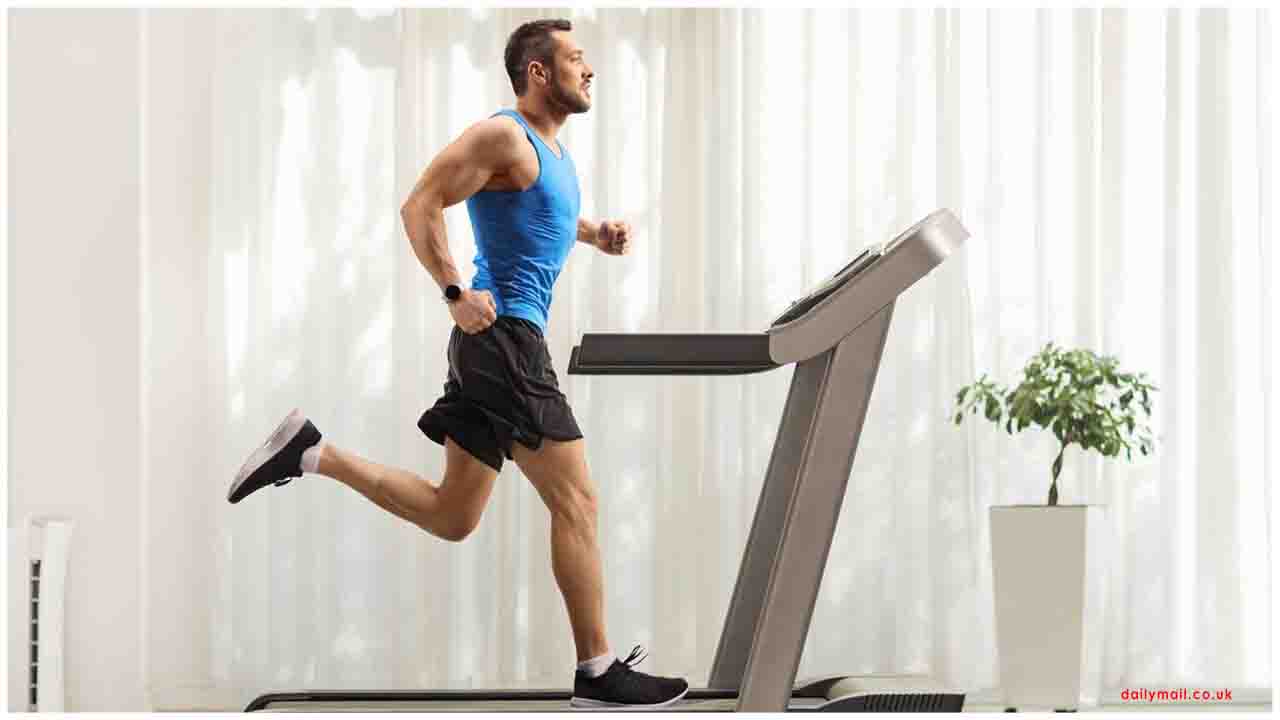
 We must indulge in activities that increase our fitness levels and promote a high level of physical and mental health.




There has gradually been immense awareness amongst people about the benefits of exercise. Earlier, exercise was something that was associated with either small children or an old age routine advised by doctors but now people of all age groups have started making it an important part of their daily lives. If you have still not started or are trying to find time and motivation to restart, then do it immediately because the benefits of exercise are manifold. Depending on your physical condition and requirement, there are three broad categories of exercises that you can choose from:
Light, Moderate and Vigorous Exercise
- Light exercise - The most common example of light exercise is walking. The parks and roadsides are full of people who walk deliberately to keep their bodies fit especially in the early mornings and evenings. The best part is that one can even talk while walking and so if you feel bored of walking alone, take along a couple of like-minded people along with you who would benefit too.
- Moderate exercise - Moderate exercises make people slightly out of breath. Examples of these kinds of exercises are jogging, walking up a hill, cycling, swimming, etc.
- Vigorous exercise - While light and moderate exercises are part of our day-to-day activities; vigorous exercises are specifically done to increase sporting skills. Heavyweight training, cycling very fast, running, playing basketball, etc. are some of the vigorous exercises.
Direct benefits of exercise
Exercise has many benefits. It helps in controlling body weight, strengthening the muscles, strengthening the bones, strengthening and protecting the joints, optimizing the cardiovascular system, controlling the blood pressure levels, eliminating waste substances from our bodies, and of course, they help in enhancing specific athletic skills.
Indirect benefits of exercise
Apart from direct health benefits, exercise also has many indirect but significant benefits:
- The people who exercise regularly are the ones who sleep better. The people who sleep better have high concentration levels, good control of their moods, and increased productivity levels.
- Exercise is a way of increasing one’s socialization levels or a means of having some fun. Instead of getting bored or spending time in front of the television or computer, one can indulge in activities like enrolling in dance, aerobics, or yoga class. This helps to spend time in a more meaningful way with others. Even without enrolling in any class, your morning or evening walkers’ group can provide enough avenues of socialization.
- All of us lead stressful lives. Any activity like going to the gym or brisk walking can help relieve stress levels. This can result in lifting our moods. If we are in good mood, our relationships are successful. We feel much better.
- Exercise helps to boost self-esteem. People who exercise regularly look better and feel confident about themselves.
- Exercise promotes a good sex life as it keeps the body in good shape and makes one feel energetic enough to enjoy intimacy with one’s partner.
Exercise is an ideal remedy for achieving both physical as well as mental health. It should be an integral part of our lives. Those who have not been paying significant attention to it yet must start doing it from today itself and make it a way of life.




-23-300x250.png)

.jpeg)






.jpg)
.jpg)
.jpg)
.jpg)
.jpg)
.jpg)
.jpg)
.jpg)
.jpg)