 Saturday, October 10, 2026
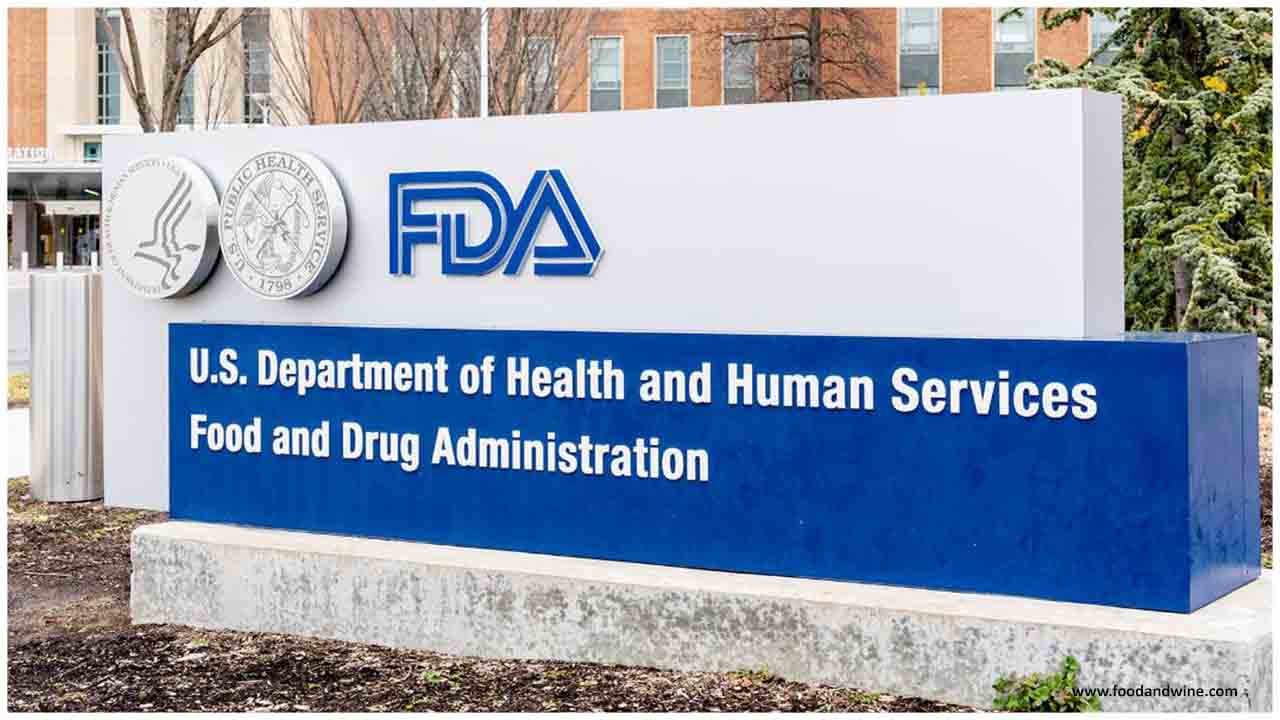
 FDA authorizes first diagnostic test for screening of people without known or suspected COVID-19 infection




Today, the U.S. Food and Drug Administration reissued the LabCorp COVID-19 RT-PCR Test emergency use authorization (EUA) to include two new indications for use: testing for people who do not have COVID-19 symptoms or who have no reason to suspect COVID-19 infection and to allow pooled sample testing. The FDA reissued the LabCorp COVID-19 RT-PCR Test EUA to expand use of the test to anyone after the company provided scientific data showing the test's ability to detect SARS-CoV-2 in a general, asymptomatic population. Additionally, the reissuance includes an authorization for LabCorp to test pooled samples containing up to five individual swab specimens collected under observation. Sample pooling allows for fewer tests to be run overall, conserving resources and potentially allowing more samples to be evaluated quicker.
"FDA's authorization of the first diagnostic test to be used for anyone, regardless of whether they are showing symptoms of COVID-19 or have other exposure risk factors, is a step toward the type of broad screening that may help enable the reopening of schools "FDA's authorization of the first diaand workplaces," said FDA Commissioner Stephen M. Hahn, M.D. "By authorizing another test for use with pooled samples, we also further help increase the possibility that patients may be able to receive results sooner, while also conserving vital testing supplies, which are under increased demand during the pandemic. Continuing to facilitate increased access to accurate and reliable tests for all Americans is critically important and the FDA continues to work around the clock with test developers to support this goal."
The FDA recognizes that organizations may want to conduct screening of asymptomatic people as part of a broader strategy to help ensure the safety of their employees, patients, students and others. Last month, the FDA posted updated templates with recommendations for test developers to demonstrate validation for a test to be authorized for the screening of asymptomatic people, as well as for sample pooling. Last week, the FDA authorized the first COVID-19 test that could be used with pooled samples.
The LabCorp test remains prescription-only and is authorized for human specimen collection either at home using the Pixel by LabCorp or other home sample collection kits authorized for use with LabCorp's test, or by a health care provider. However, only health care provider-collected samples may be pooled at this time. Additionally, the data reviewed by the FDA demonstrated that the test is as accurate in the broader asymptomatic population as it is among people suspected to have COVID-19.
The LabCorp test was originally issued an EUA on March 16 for use only in people suspected of being ill with COVID-19 by their health care provider and for testing of individual specimens without sample pooling. Until now, molecular diagnostic tests have generally been authorized for people suspected of having COVID-19 by their health care provider, which has allowed asymptomatic people to be tested, when warranted, at the discretion of the health care provider. Today's authorization eliminates the need for a provider to consider risk factors such as exposure or community spread when prescribing this test. The FDA continues to work with test developers to expand access to COVID-19 testing.






.jpeg)










.jpg)
.jpg)
.jpg)
.jpg)
.jpg)
.jpg)


.jpg)